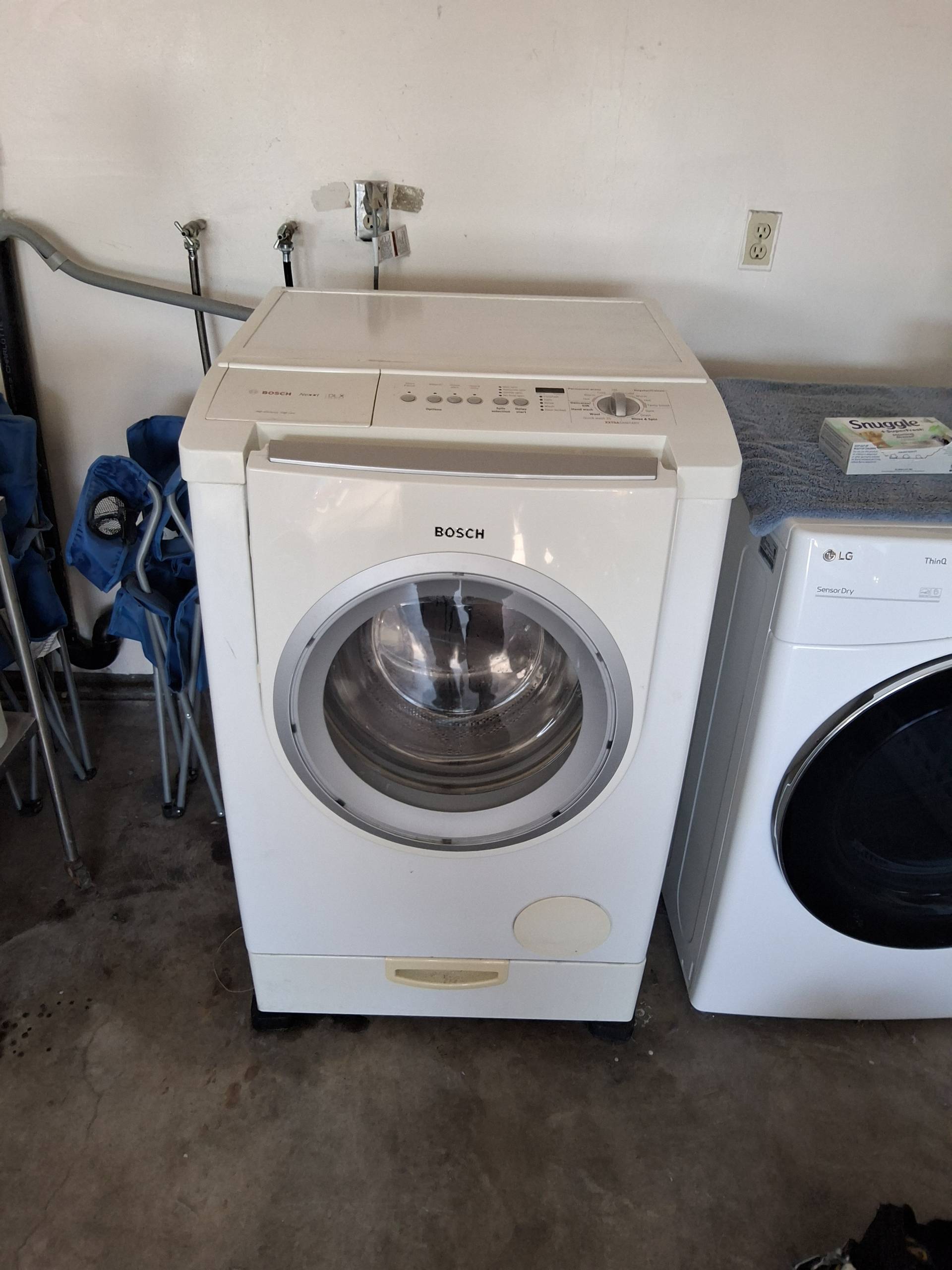
If you’ve noticed that your washing machine suddenly starts adding extra rinse cycles, you might initially assume that the problem lies with the type or amount of detergent you’re using. While detergent does play a role in how clean your laundry comes out, unexpected extra rinses are rarely caused solely by soap selection. In fact, they often signal an underlying mechanical or electronic issue in your washer that requires attention. Understanding why this happens can help you avoid recurring problems, protect your clothes, and maintain your appliance’s performance over time.
How Washers Decide Rinse Cycles
Modern washers are equipped with sensors and pre-programmed cycles designed to optimize cleaning while using water efficiently. The number of rinse cycles is generally determined by several factors: the wash program selected, load size, water hardness, and detergent residue levels. Most high-efficiency machines are especially sensitive to suds, because excessive foam can reduce the washer’s ability to spin properly, leaving clothes wetter than expected. When a washer detects an unusual amount of suds or residual detergent in the drum, it may automatically add one or more rinse cycles to remove it. This is a feature intended to protect fabrics and ensure that soap residue doesn’t cause skin irritation or dull clothing colors. However, if your washer suddenly begins running extra rinse cycles even when using the same detergent and load type as before, it’s a strong indication that something beyond detergent choice is affecting its operation.Common Causes Beyond Detergent
- Malfunctioning Water Level Sensors Washers rely on water level sensors (also called pressure switches) to measure the amount of water in the drum. If these sensors become faulty or clogged with mineral deposits, they may misread the water level, prompting the washer to compensate with additional rinse cycles. Over time, even small sensor issues can lead to noticeably longer wash times and unnecessary water usage.
- Problems with the Detergent Dispenser A jammed or malfunctioning detergent drawer can prevent the proper release of soap during the main wash cycle. If detergent doesn’t fully enter the drum when it should, the machine may detect insufficient cleaning and trigger extra rinses in an attempt to balance the cycle. Residue buildup or hard water deposits in the dispenser can contribute to this problem.
- Electronic Control Board Issues The control board is essentially the washer’s brain. It regulates cycle timing, water levels, spin speeds, and rinse sequences. If the control board develops a fault—such as a burned-out relay or short circuit—it can send incorrect signals to the washer’s various components. One common symptom of control board issues is the unexpected addition of rinse cycles, sometimes accompanied by other irregular behaviors like skipped spin cycles or delayed starts.
- Clogged or Failing Drain Pump If your washer isn’t draining water completely, residual suds or dirty water may remain in the drum. The machine can interpret this as a need for extra rinsing. A partially blocked or failing drain pump can cause water to linger at the bottom of the drum, triggering multiple rinse cycles to flush out remaining soap.
- Changes in Water Quality Sudden increases in water hardness or mineral content can affect how detergents dissolve, potentially creating more foam than usual. While not a mechanical issue, water quality can interact with your washer’s sensors to prompt extra rinses. Installing a water softener or adjusting the detergent type may help, but if the washer continues to add rinses unnecessarily, the root cause is likely internal.
Why Ignoring Extra Rinse Cycles Can Be Costly
Extra rinse cycles aren’t just a minor inconvenience—they have real impacts on your home and appliance:- Increased Water and Energy Consumption: Each additional rinse uses several gallons of water and adds to the washer’s energy use, driving up utility bills.
- Longer Wash Times: Multiple rinse cycles can double or triple the duration of a typical laundry load, reducing convenience and efficiency.
- Wear and Tear on Clothes and Machine: Prolonged cycles can stress fabrics and increase friction in the drum, potentially shortening the lifespan of both clothing and the washer itself.
- Hidden Mechanical Problems: Ignoring these symptoms can allow minor sensor, pump, or board issues to worsen, eventually leading to more expensive repairs or even total machine failure.
Troubleshooting Before Calling a Professional
Before contacting a repair service, there are a few steps you can take to determine whether the issue is minor or requires professional intervention:- Check Detergent Usage: Ensure you are using the correct type and amount for your washer, especially if it is high-efficiency. Too much soap can create excessive suds.
- Inspect the Dispenser: Remove and clean the detergent drawer thoroughly. Look for clogs, residue, or mineral buildup.
- Run a Maintenance Cycle: Many washers have a tub-clean or maintenance cycle that flushes residue and can reset sensors.
- Observe Drainage: After a standard wash, check whether water drains completely. Standing water can point to pump or hose issues.