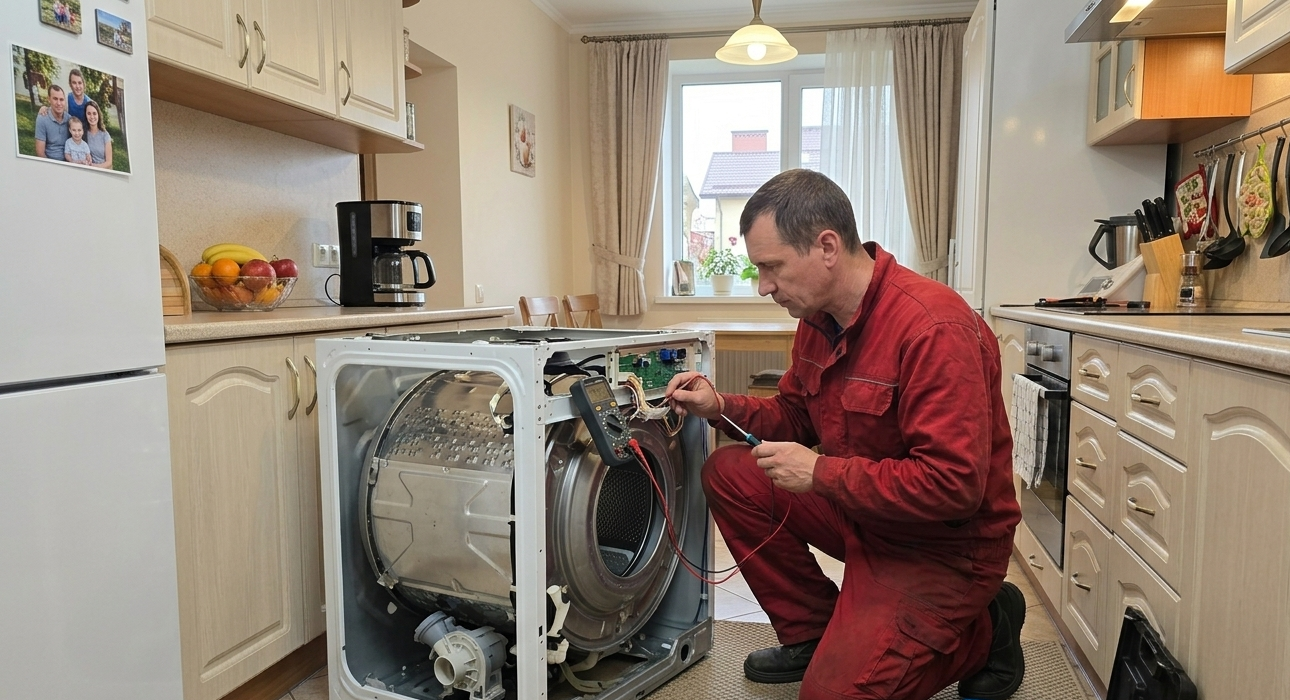
Finding a puddle of water sitting in the bottom of your washing machine’s rubber door seal (the bellows) is a common frustration for front-load washer owners. While it might seem like a minor annoyance, stagnant water is the primary catalyst for mold, mildew, and unpleasant odors that can permeate your laundry. Understanding whether this issue stems from a mechanical failure or a fundamental design limitation is the first step toward maintaining a hygienic appliance.
The Role of the Rubber Seal
The door gasket, or boot seal, serves a critical purpose: it creates a watertight barrier between the spinning drum and the outer cabinet. Because front-load machines use a horizontal axis, gravity naturally pulls water toward the bottom of the door. The seal is designed with specific folds and channels to manage this moisture, but when the system fails, water remains trapped long after the cycle ends.
1. Mechanical Obstructions and Drainage Issues
The most frequent culprit for standing water is a physical blockage. Front-load washers are equipped with small drainage holes located at the lowest point of the rubber seal. These holes allow water to flow back into the main tub or directly into the drain pump system.
-
Debris Buildup: Over time, lint, hair, coins, and “stray socks” can clog these small apertures. Even a thin layer of detergent scum can create enough surface tension to prevent water from trickling through.
-
The Filter Factor: If your machine’s main debris filter (usually located behind a small door at the bottom front of the unit) is clogged, the entire drainage speed of the machine decreases. This back-pressure can leave residual water in the bellows.
-
Kinked Drain Hoses: If the external drain hose is pinched or positioned too high, the pump may struggle to evacuate all the water, leaving a small amount to settle in the lowest point of the gasket.
2. Design-Related Challenges
Sometimes, the water under the seal isn’t the result of a “broken” part, but rather a byproduct of the machine’s engineering.
-
Gravity and Surface Tension: Water has a natural tendency to cling to surfaces. In many high-efficiency (HE) models, the gasket folds are deep to allow for high-speed drum vibration. These deep pockets can hold a tablespoon or two of water simply through surface tension, which the drain holes cannot fully overcome.
-
Leveling Issues: Washing machines must be perfectly level to function correctly. If a machine is tilted slightly forward, the water will pool at the front of the gasket, away from the internal drainage ports. Conversely, a backward tilt can prevent the tub from draining completely.
-
Material Deterioration: As rubber ages, it can lose its shape. A warped or “sagging” gasket can create new valleys where water collects, regardless of how clear the drain holes are.
The Consequences of Neglect: Mold and Biofilm
If water is allowed to sit in the rubber seal for more than 24 to 48 hours, it becomes a breeding ground for bacteria. This leads to the formation of a biofilm—a slimy coating that protects mold spores. Once mold takes root in the porous surface of the rubber, it is incredibly difficult to remove and often requires a complete gasket replacement. Furthermore, the moisture can eventually corrode the spring clamp that holds the seal in place, leading to actual leaks on your floor.
Preventative Maintenance Tips
To keep your machine dry and odor-free, consider the following routine:
-
The Wipe Down: After the last load of the day, use a microfiber cloth to dry the inside of the rubber folds.
-
Clear the Holes: Periodically poke a soft pipe cleaner or cotton swab through the drainage holes in the seal to ensure they are clear of lint.
-
Leave the Door Ajar: Proper airflow is the enemy of mold. Keeping the door cracked between cycles allows residual moisture to evaporate.
-
Monthly Service Wash: Run a hot water cycle with a dedicated washing machine cleaner or white vinegar to break down the detergent film that traps water.
When to Call a Professional
While cleaning a clog is a DIY task, many drainage issues are symptoms of deeper mechanical failures. If you notice that the volume of water is increasing, or if the water appears soapy and dirty even after a rinse cycle, you may be facing a failing drain pump, a shifter assembly issue, or a faulty water level sensor.
Replacing a door gasket is also a notoriously difficult repair for homeowners. It requires dismantling the front panel of the machine and navigating high-tension springs. Attempting this without the proper tools can lead to further damage or a machine that leaks significantly more than it did before.
Expert Solutions in Rancho Bernardo
If your washing machine is leaving your laundry room smelling less than fresh, or if you are tired of mopping out the gasket after every load, it is time for a professional assessment. Precision is key when dealing with high-end appliances, and localized expertise ensures your machine is calibrated to the specific water hardness and usage patterns of our community.
Rancho Bernardo Appliance Repair Service Center is your local authority on laundry appliance maintenance and repair. Our factory-trained technicians specialize in diagnosing complex drainage problems, performing precision gasket replacements, and ensuring your machine is perfectly leveled for optimal performance. We understand the inner workings of all major brands and provide transparent, reliable service to get your household back on track.
Don’t let a small puddle turn into a major mold problem. Ensure your appliance operates at peak efficiency and protect your investment.
Contact Rancho Bernardo Appliance Repair Service Center today to schedule your diagnostic appointment and keep your home running smoothly.