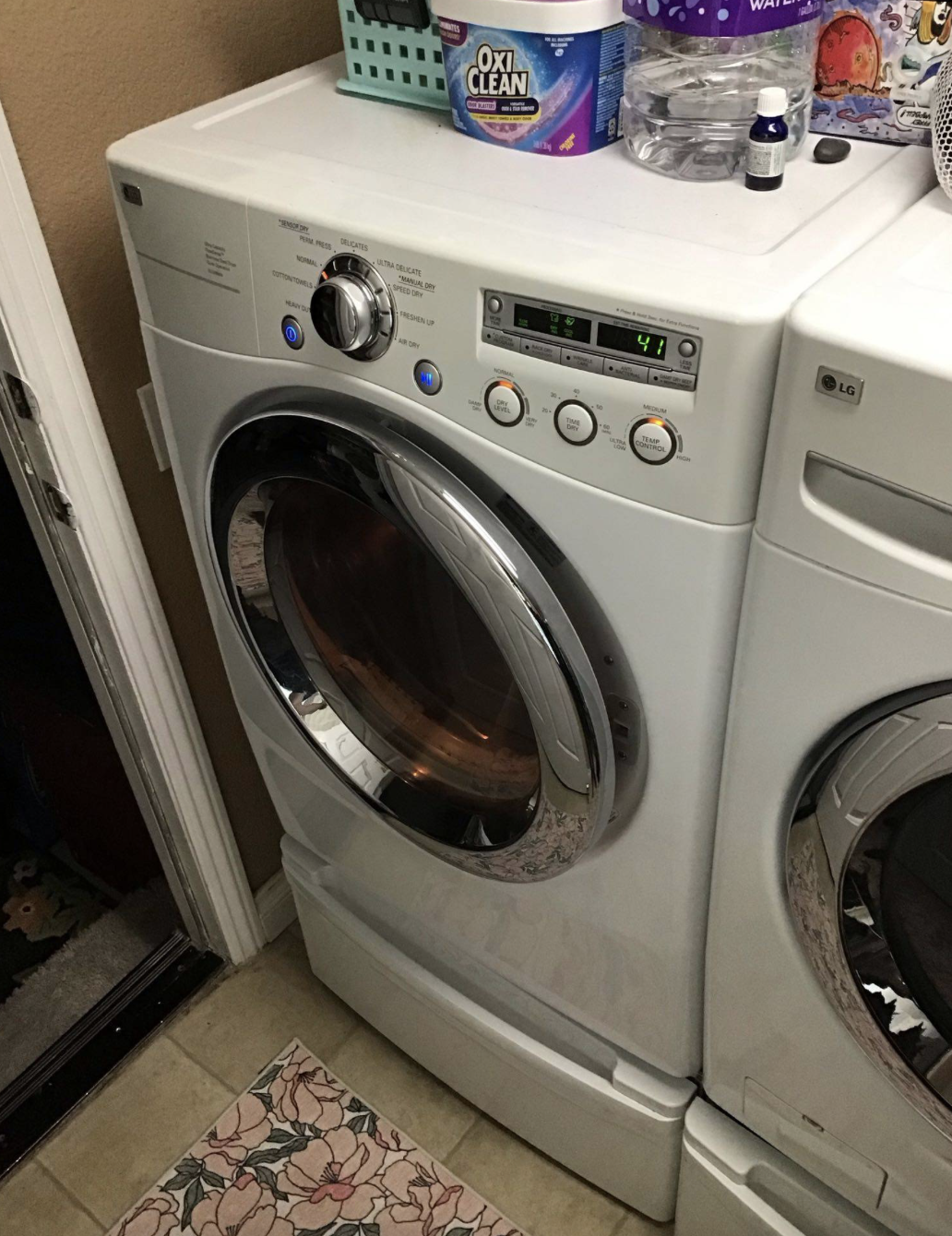
A Frigidaire washing machine should produce some normal operating sounds during a wash cycle, but a loud knocking noise during agitation is never something to ignore. Repeated banging, thumping, or knocking usually indicates that one or more internal components are no longer functioning as they should. While some noises may be caused by an uneven load, persistent knocking often points to problems with the agitator, suspension system, or other mechanical parts.
Understanding what causes this symptom can help prevent more expensive repairs and keep your washer operating safely and efficiently.
Why Does a Washing Machine Knock During Agitation?
During the agitation cycle, the agitator or wash plate moves clothes back and forth to remove dirt and stains. This motion places stress on several components, including the transmission, suspension rods, tub supports, and drive system. If any of these parts become worn, loose, or damaged, the movement becomes unstable, resulting in loud knocking sounds.A Worn or Damaged Agitator
One of the most common causes is a failing agitator. The agitator contains splines, dogs, or internal couplings that allow it to grip and rotate correctly. Over time these components wear out from years of repeated use. Signs of agitator problems include:- Loud knocking during wash cycles
- Weak or uneven agitation
- Clothes remaining dirty after washing
- Agitator slipping or rotating improperly
Suspension System Problems
The suspension system keeps the wash tub balanced while it moves during agitation and spinning. Frigidaire washing machines may use suspension rods, springs, dampers, or shock absorbers depending on the model. When these components weaken or break, the tub can move excessively and strike the cabinet, producing loud knocking or banging noises. Common symptoms include:- Washer shaking during agitation
- Tub leaning to one side
- Excessive vibration
- Loud impacts against the cabinet
Loose Counterweights
Some Frigidaire washers use concrete or metal counterweights to stabilize the drum. If mounting bolts loosen over time, the counterweight can shift during agitation. This creates a deep knocking sound that becomes louder as the tub changes direction. Ignoring loose counterweights can eventually damage the tub or cabinet.Drive Pulley or Belt Issues
A worn drive belt or damaged pulley may also create rhythmic knocking sounds. As the belt slips or the pulley becomes loose, power transfer becomes inconsistent. You may notice:- Knocking that matches tub movement
- Squealing before knocking develops
- Burning rubber smell
- Reduced washing performance
Transmission Problems
The transmission converts motor power into the back-and-forth motion needed for agitation. Internal gears and bearings wear over time, especially in older machines. A failing transmission often produces:- Heavy knocking
- Grinding sounds
- Jerking agitation
- Oil leaks underneath the washer
Loose Drum Components
Various internal bolts, mounting brackets, or tub supports can gradually loosen after years of vibration. Even a single loose mounting point can allow excessive movement during agitation. A professional inspection can quickly identify loose hardware before it causes further damage.Overloaded Wash Cycles
Sometimes the issue isn’t a failed component but consistently overloading the washer. Heavy comforters, rugs, or tightly packed clothing place extra stress on the suspension and agitator. Over time this accelerates wear throughout the machine. Always follow the manufacturer’s recommended load capacity.Foreign Objects
Coins, buttons, bra wires, screws, and other small objects can become trapped between the wash basket and outer tub. As agitation begins, these objects may strike internal surfaces, creating loud knocking sounds. If left inside, they can eventually damage the tub, drain pump, or seals.Why Prompt Repairs Matter
Many homeowners continue using the washer despite unusual noises because it still completes wash cycles. Unfortunately, knocking almost always worsens over time. Small problems often develop into expensive repairs involving:- Damaged suspension assemblies
- Broken agitators
- Cracked tubs
- Worn bearings
- Failed transmissions
- Motor damage
Can You Diagnose the Problem Yourself?
There are a few simple checks homeowners can safely perform:- Make sure the washer is level.
- Avoid overloading the drum.
- Redistribute heavy loads.
- Check pockets for loose objects before washing.
- Listen carefully to determine when the knocking occurs.
Professional Diagnosis Makes the Difference
Experienced appliance technicians inspect every component involved in the agitation system, including:- Agitator assembly
- Suspension rods
- Dampers and shocks
- Drive belt
- Motor pulley
- Transmission
- Tub supports
- Counterweights
- Bearings