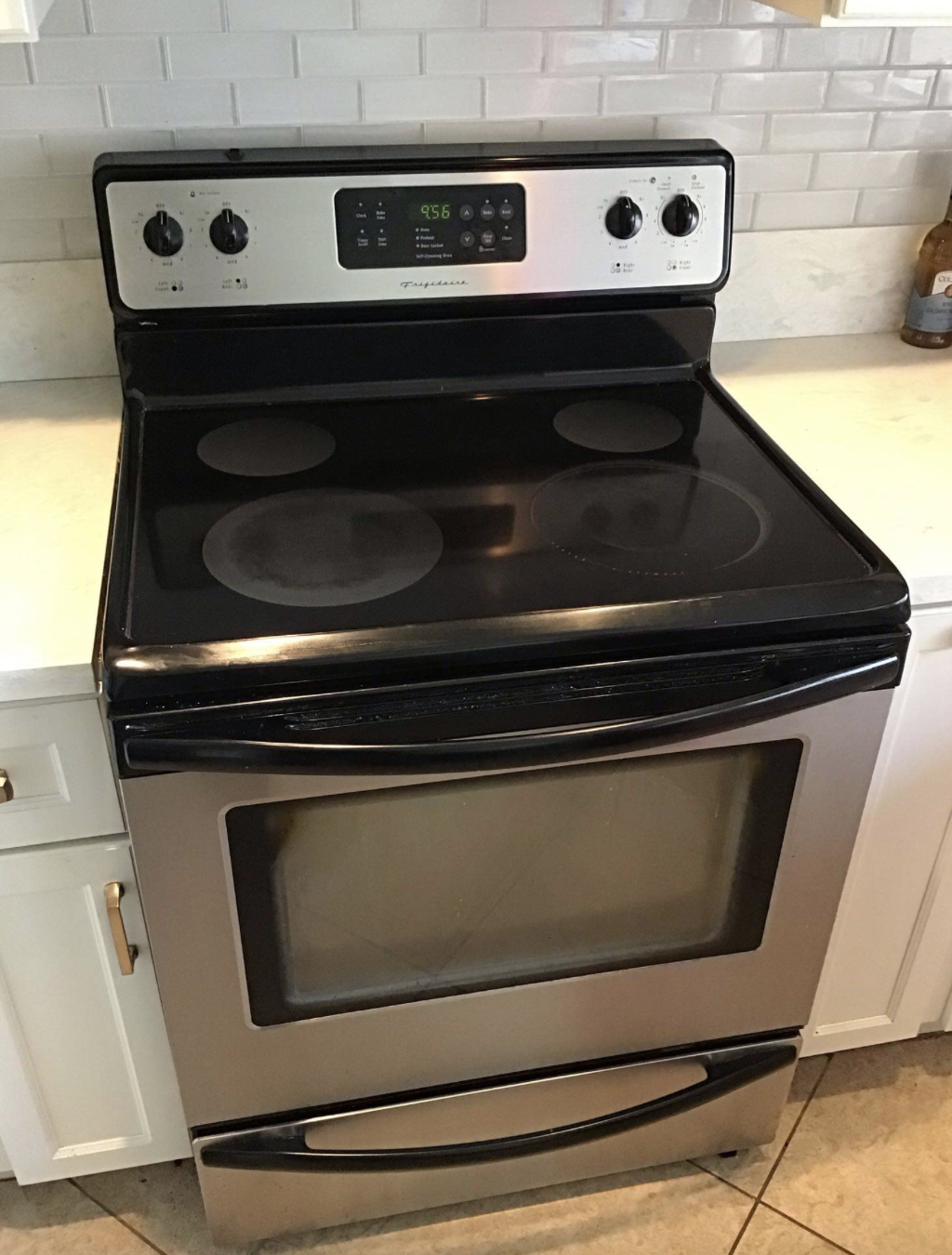
A KitchenAid induction cooktop is designed to deliver fast, efficient, and precise cooking. When the appliance powers on normally but one burner refuses to heat, meal preparation quickly becomes frustrating. Since the display appears to function correctly, many homeowners assume the problem is minor. In reality, a single non-working induction burner often points to an internal electrical fault that requires professional diagnosis.
Understanding what causes this issue can help you avoid unnecessary damage and determine when it’s time to schedule service.
Unlike traditional electric cooktops, induction models generate heat through electromagnetic energy. Each cooking zone contains its own induction coil and electronic control components. If one burner stops heating while the others continue working, the problem is usually isolated to the affected burner rather than the entire cooktop.
One of the most common causes is a failing induction module. The induction module controls the electrical current delivered to each cooking zone. Over time, electronic components can deteriorate because of heat, voltage fluctuations, or normal wear. When the module begins to fail, the burner may stop producing heat even though the control panel still responds to commands.
In some cases, the burner may briefly attempt to activate before shutting itself off. Other times, it may appear completely unresponsive despite selecting the correct heat level.
Another possible cause is a damaged induction burner coil. The coil creates the magnetic field that heats compatible cookware. Continuous exposure to high temperatures, accidental impacts, or manufacturing wear can eventually damage the coil or its wiring. Once the coil loses continuity, the burner cannot generate the magnetic energy needed for cooking.
Because the coil is located beneath the glass surface, the damage is not visible without disassembling the appliance.
Loose or damaged wiring can also prevent a single burner from operating. Every induction zone relies on secure electrical connections between the control board, induction module, sensors, and burner coil. Heat cycles can gradually weaken connectors or wiring insulation, leading to intermittent or complete loss of power to one cooking zone.
Temperature sensors should also be considered. KitchenAid induction cooktops constantly monitor operating temperatures to prevent overheating. If a sensor sends incorrect readings, the control system may intentionally disable the burner as a safety precaution, even though no actual overheating exists.
In some situations, the issue isn’t inside the cooktop at all. Induction technology only works with cookware made from magnetic materials. If incompatible cookware is placed on one burner while compatible cookware is used on the others, it may appear that only one burner has failed. Testing the burner with another induction-compatible pot is always a good first troubleshooting step.
Control board failures are less common but still possible. Modern KitchenAid induction cooktops use sophisticated electronic boards to coordinate communication between user controls and individual burners. A damaged circuit on the board may prevent only one burner from receiving operating commands while the remaining burners function normally.
If your KitchenAid cooktop displays error codes along with the heating problem, those codes can provide valuable clues. Different codes may indicate communication failures, sensor issues, module problems, or power supply faults. However, interpreting these codes often requires the manufacturer’s service documentation and specialized diagnostic equipment.
Many homeowners wonder whether resetting the appliance will solve the issue. Disconnecting power for several minutes can occasionally clear temporary software glitches. If the burner works again after a reset but later stops heating, an underlying hardware problem is still likely developing.
It is generally not recommended to continue using a malfunctioning induction burner. Internal electrical faults may worsen over time and could eventually affect neighboring components. Continued operation may increase repair costs if additional electronics become damaged.
Diagnosing induction cooktops requires experience and specialized testing equipment. Technicians often measure coil resistance, inspect electronic modules, verify sensor readings, and test communication between internal control boards before replacing any parts. Guessing which component has failed can result in unnecessary repairs and higher expenses.
Preventive maintenance can help extend the life of your induction cooktop. Avoid dropping heavy cookware onto the glass surface, clean spills promptly to prevent heat buildup, use cookware with smooth, flat bottoms, and protect the appliance from power surges by using appropriate electrical protection when possible.
If one burner on your KitchenAid induction cooktop no longer heats while the others continue working, professional diagnosis is the safest and most cost-effective solution. Whether the problem involves a failed induction module, damaged burner coil, faulty sensor, loose wiring, or control board malfunction, early repair helps restore reliable performance before additional components fail.
The experienced technicians at San Diego Appliance Repair Center specialize in diagnosing and repairing KitchenAid induction cooktops and other major household appliances. They use professional diagnostic equipment, install high-quality replacement parts, and work efficiently to restore your cooktop to proper operation. Contact San Diego Appliance Repair Center today to schedule expert service and get your KitchenAid induction cooktop working like new again.