A refrigerator is designed to cycle on and off as it maintains the temperature you select. If your LG refrigerator seems to run continuously yet never reaches the desired temperature, something is preventing the cooling system from operating efficiently. You may notice that food is not staying as cold as it should, beverages take longer to chill, or frozen items begin to soften. At the same time, the compressor may seem to run almost nonstop, causing higher energy bills and unnecessary wear on the appliance.
While several issues can contribute to this problem, two of the most common are a failing compressor and a defective thermistor. Because these components are essential to the refrigerator’s cooling system, prompt diagnosis is important to prevent food spoilage and more costly repairs.
How the Cooling System Works
An LG refrigerator relies on several components working together to maintain a consistent temperature. The compressor circulates refrigerant through the sealed system, while the evaporator and condenser coils transfer heat. Temperature sensors continuously monitor conditions inside the refrigerator and freezer, sending information to the electronic control board, which determines when the compressor should start and stop. If any of these components fail or provide inaccurate information, the refrigerator may continue running without reaching the temperature set by the user.Compressor Problems
The compressor is often called the heart of the refrigerator. It compresses refrigerant and keeps it moving through the sealed cooling system. When a compressor begins to fail, it may still run but lose its ability to generate enough pressure for effective cooling. As a result, the refrigerator operates continuously while struggling to lower the internal temperature. Common symptoms of compressor problems include:- The refrigerator runs almost constantly.
- Food remains warmer than expected.
- The freezer does not freeze properly.
- The compressor feels unusually hot.
- Cooling performance gradually declines.
- The appliance consumes more electricity than normal.
Faulty Thermistor
The thermistor is a temperature sensor that monitors the air inside the refrigerator and freezer compartments. It sends temperature readings to the control board so the cooling system knows when to cycle on and off. If the thermistor provides inaccurate readings, the control board may incorrectly assume the refrigerator has not yet reached the desired temperature. The compressor continues running in an attempt to cool the appliance even though the actual temperature may already be close to the correct level. Signs of a faulty thermistor include:- Continuous compressor operation.
- Inconsistent temperatures.
- Food freezing in the refrigerator compartment.
- Warm spots inside the appliance.
- Unusual cooling cycles.
- Temperature fluctuations throughout the day.
Other Possible Causes
Although compressor and thermistor failures are common, several other problems can produce similar symptoms. These include:- Dirty condenser coils
- Low refrigerant due to a sealed system leak
- Evaporator fan motor failure
- Condenser fan malfunction
- Damaged door gasket
- Frost buildup restricting airflow
- Defective electronic control board
- Blocked air vents
Check the Door Seal
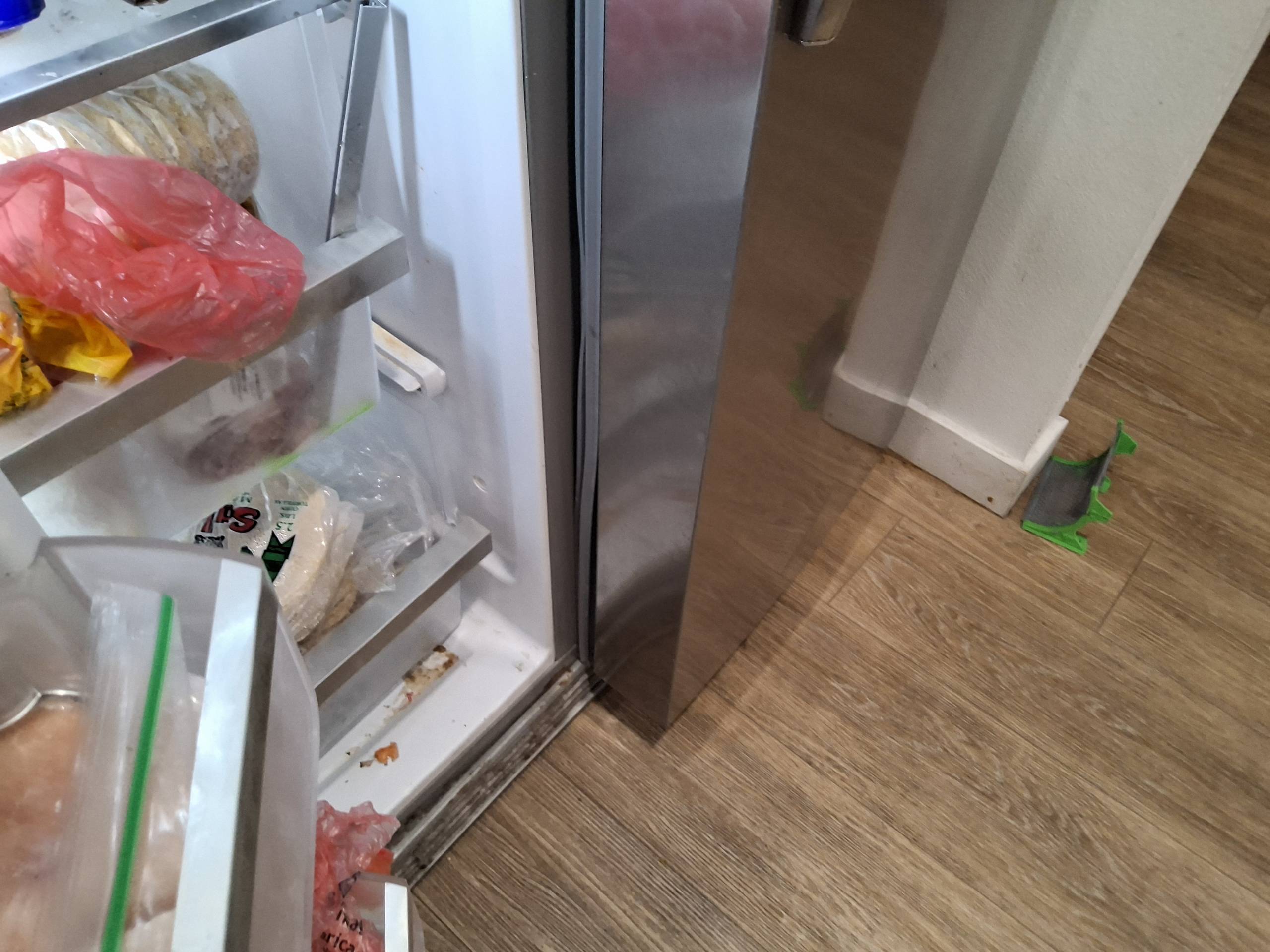
A worn or damaged door gasket allows warm air to enter the refrigerator continuously. As warm air leaks inside, the cooling system works harder to maintain the selected temperature. Inspect the gasket for cracks, tears, or sections that no longer seal tightly against the cabinet. Cleaning accumulated debris may improve the seal, but damaged gaskets usually require replacement.Dirty Condenser Coils Reduce Efficiency
Dust, pet hair, and grease can accumulate on condenser coils over time. Dirty coils make it difficult for the refrigerator to release heat, forcing the compressor to run longer while producing less cooling. Cleaning the coils periodically helps improve efficiency and reduces unnecessary strain on the compressor.Why Professional Diagnosis Is Important
Many cooling problems produce similar symptoms, making it difficult to identify the failed component without proper testing. For example, a refrigerator with low refrigerant may behave almost identically to one with a weak compressor. Likewise, a faulty thermistor can mimic problems involving the electronic control board. Professional technicians use specialized diagnostic equipment to evaluate:- Compressor performance
- Thermistor resistance
- Refrigerant system pressures
- Fan operation
- Electronic controls
- Airflow throughout the refrigerator
Preventing Future Cooling Problems
Routine maintenance helps extend the life of your LG refrigerator and improves overall performance. Helpful maintenance tips include:- Clean the condenser coils regularly.
- Avoid overloading the refrigerator.
- Keep air vents unobstructed.
- Check door gaskets for proper sealing.
- Allow hot food to cool before placing it inside.
- Minimize the amount of time doors remain open.
- Schedule service if cooling performance begins to decline.