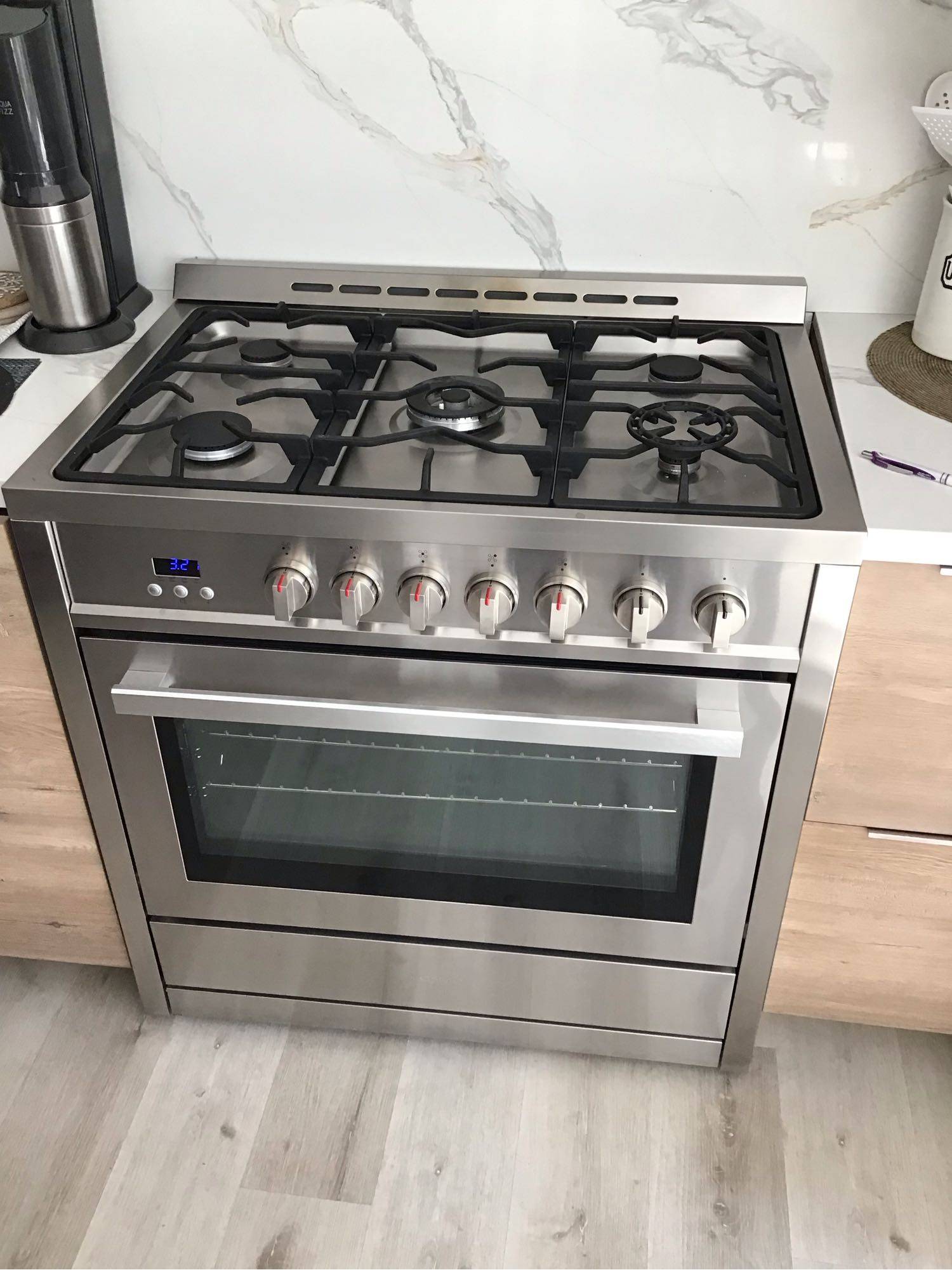
A Viking gas range is designed to provide reliable ignition and consistent heat for everyday cooking. When a burner takes several seconds to ignite, clicks repeatedly before lighting, or requires multiple attempts to start, it may indicate a problem with the ignition system or burner assembly. Although the range may continue to operate, delayed ignition should not be ignored because it can allow gas to accumulate before the flame appears. Understanding the possible causes can help you recognize when your Viking gas range needs professional attention and avoid further damage to its components.

Why Does a Viking Gas Range Burner Ignite Slowly?

Several components work together to ignite a gas burner. When you turn the control knob, gas flows through the burner while the electronic ignition system produces a spark. The gas and spark must meet at the correct location for the burner to light promptly. If either part of this process is disrupted, ignition may become inconsistent. The most common causes include weak spark production, clogged burner ports, moisture around the igniter, and problems with the burner cap or gas supply.

1. A Weak or Inconsistent Ignition Spark

One possible explanation for delayed ignition is a spark that is too weak, poorly positioned, or intermittent. The igniter may still produce a visible spark, but it might not ignite the gas immediately. Ignition problems can develop when the electrode becomes worn, damaged, or contaminated with food residue. Electrical connections may also deteriorate over time, while a faulty spark module can prevent the system from generating the required voltage consistently. You may notice that the burner clicks several times before lighting or that one burner takes longer to ignite than the others. If the spark is absent or inconsistent, the igniter, wiring, and ignition module may need inspection. A technician can test these components and determine whether cleaning, a connection repair, or replacement is necessary.

2. Clogged Burner Ports Restrict Gas Flow

Burner ports are the small openings through which gas exits the burner head. Grease, spilled sauces, food particles, and accumulated debris can obstruct these openings. When the ports become clogged, the gas may not distribute evenly around the burner. The ignition spark can be present and functioning correctly, yet the flame may take longer to establish or appear uneven once the burner lights. Signs of blocked burner ports include an irregular flame pattern, weak flames in certain areas, or a burner that lights on one side before spreading across the entire burner head. For routine maintenance, allow the range to cool completely and follow the manufacturer’s cleaning instructions. Remove accessible burner components only as directed, and clean them with suitable materials. Avoid enlarging the ports with needles or other sharp objects, as this can damage the burner and affect its performance. If the burner continues to ignite slowly after proper cleaning, a professional inspection can help identify deeper obstructions or additional faults.

3. Moisture Around the Igniter

Cleaning spills or boiling liquids over a burner can introduce moisture into the burner assembly. Water around the ignition electrode or beneath the burner cap may interfere with spark formation and prevent immediate ignition. In some cases, the burner clicks continuously without lighting. In others, it eventually ignites after the moisture evaporates. Turn the burner off and allow the affected components to dry completely before attempting to use it again. Follow the manufacturer’s instructions for drying and reassembling the burner. If the problem persists after the components are dry, the igniter or its electrical connections may require further examination.

4. An Improperly Seated Burner Cap

The burner cap must sit correctly on the burner base for gas to distribute evenly and ignite as intended. If the cap is shifted, tilted, or incorrectly installed after cleaning, the spark may not reach the gas-air mixture at the proper point. This can result in delayed ignition, uneven flames, or repeated clicking. Once the range has cooled, check whether the burner cap is positioned correctly according to the owner’s manual. Do not operate the burner if any component is damaged or cannot be seated securely. If correct positioning does not resolve the issue, the burner assembly may need professional inspection.

5. Gas Supply or Internal Component Problems

Slow ignition can sometimes be associated with a gas supply issue or a fault within the range’s internal components. A restricted supply, a defective valve, or another gas delivery problem may prevent the burner from receiving the correct flow. If several burners begin igniting slowly around the same time, the issue may extend beyond an individual igniter or clogged burner head. Gas supply problems require qualified attention. Do not attempt to adjust gas valves, dismantle gas lines, or modify internal components yourself. A trained appliance technician can inspect the range, evaluate the gas delivery system, and identify the source of the problem safely.

When Should You Schedule Viking Gas Range Repair?

Occasional ignition problems may seem minor, but repeated delays can indicate a developing fault. Professional service is recommended when a burner consistently takes several seconds to light, clicks without producing a flame, ignites unevenly, or continues to malfunction after routine cleaning. Pay particular attention to any noticeable gas odor. If you smell gas, do not attempt to ignite the burner, operate electrical switches, or investigate the source yourself. Leave the area and contact your gas utility or emergency services from a safe location, following local emergency guidance.

Restore Reliable Ignition With Professional Appliance Repair

A Viking gas range that takes too long to ignite may need a new igniter, a repair to the ignition system, cleaning of obstructed burner ports, or correction of a burner assembly problem. Identifying the actual cause is essential to restoring dependable performance and preventing recurring ignition issues. San Diego Appliance Repair Center can help diagnose Viking gas range ignition problems and determine the appropriate repair. Professional troubleshooting allows the technician to evaluate the relevant components rather than replacing parts unnecessarily. If your Viking gas range clicks repeatedly, struggles to light, or produces an uneven flame, contact San Diego Appliance Repair Center to schedule service. Arrange an inspection and get your range back to reliable operation with repairs tailored to the problem.