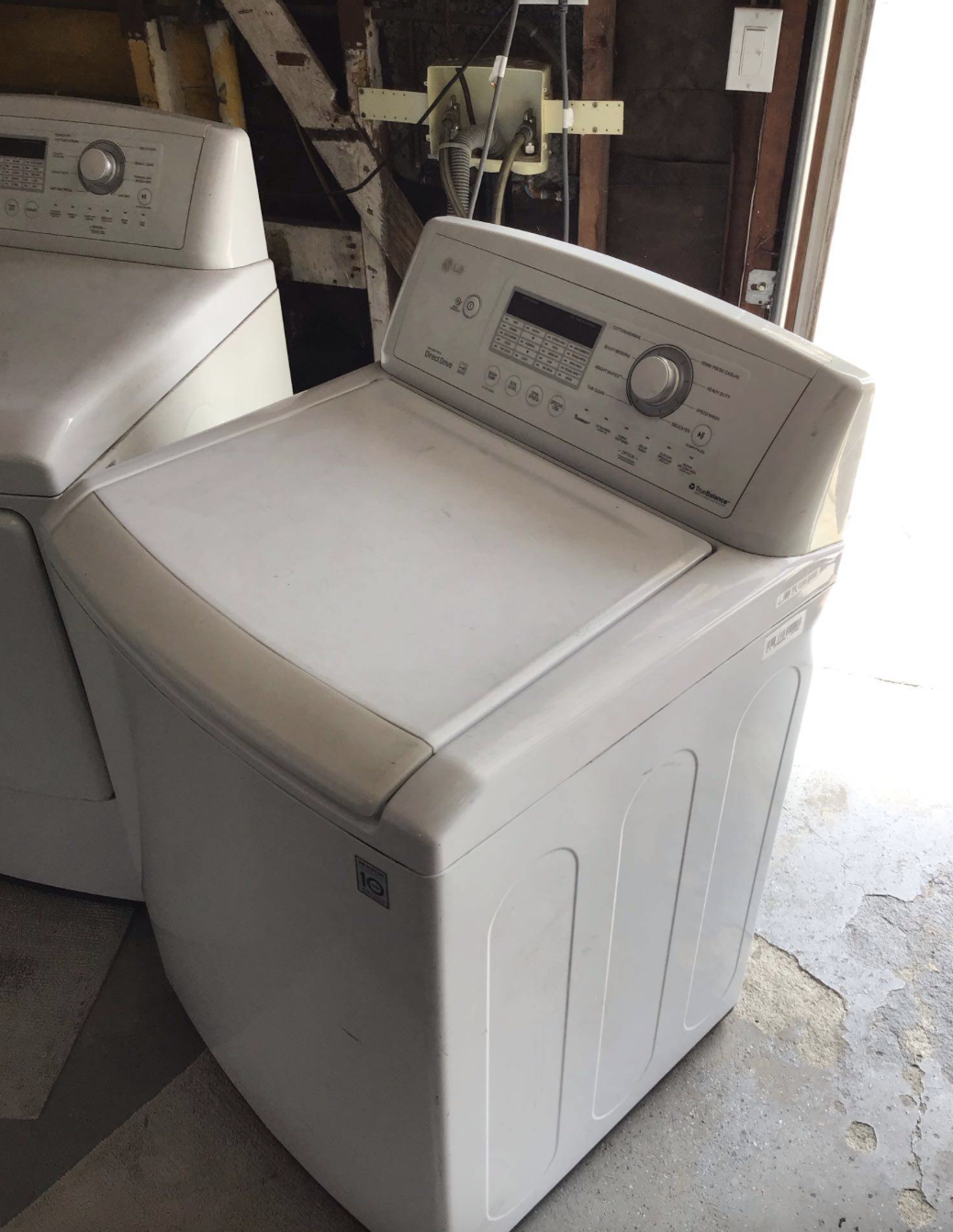
A washing machine is designed to simplify laundry by automatically dispensing detergent at the right stage of the wash cycle. If your Whirlpool washing machine won’t dispense detergent, your clothes may come out less clean, retain odors, or show signs of detergent residue after washing. While this issue may seem minor at first, it often points to a malfunction that should be addressed before it affects the washer’s overall performance.
The most common causes of this problem are a faulty detergent dispenser assembly or a malfunctioning water inlet valve, although clogged dispenser components, low water pressure, and electronic control issues can also prevent detergent from being released properly. Understanding how these parts work can help you recognize the warning signs and know when it is time to call a professional.
How the Detergent Dispenser Works
Modern Whirlpool washing machines are designed to release detergent, fabric softener, and bleach at specific points during the wash cycle. Water enters the dispenser drawer through dedicated channels, flushing the detergent into the wash tub at the correct time. If water cannot reach the dispenser or the dispenser itself becomes blocked or damaged, the detergent remains in the drawer instead of mixing with the wash water.Common Reasons a Whirlpool Washer Won’t Dispense Detergent
Several components work together to ensure proper detergent dispensing. Common causes include:- Faulty detergent dispenser assembly
- Defective water inlet valve
- Clogged dispenser drawer
- Low household water pressure
- Blocked water inlet screens
- Malfunctioning electronic control board
- Damaged hoses
- Incorrect detergent usage
Faulty Detergent Dispenser Assembly
The dispenser assembly directs water through different compartments during each wash cycle. Over time, detergent residue, fabric softener buildup, and hard water deposits can clog internal passages or damage moving parts. Symptoms of a faulty dispenser assembly include:- Detergent left in the dispenser after the cycle
- Uneven detergent dispensing
- Water leaking around the dispenser
- Fabric softener remaining in its compartment
- Visible buildup inside the dispenser drawer
Water Inlet Valve Problems
The water inlet valve controls the flow of hot and cold water into the washer. Many Whirlpool models use separate valve sections to direct water to different dispenser compartments. If one section of the valve fails, water may never reach the detergent compartment. Common signs of a faulty water inlet valve include:- No water entering the detergent dispenser
- Slow filling during the wash cycle
- Certain dispenser compartments never empty
- Inconsistent water flow
- Error codes related to water supply
Clogged Dispenser Drawer
One of the simplest causes of dispensing problems is a clogged dispenser drawer. Over time, detergent can harden inside the compartments, especially if too much detergent is used or if liquid detergent dries between wash cycles. Signs of a clogged dispenser include:- Thick detergent residue
- Mold or mildew buildup
- Water overflowing from the dispenser
- Sticky compartments
- Detergent remaining after each cycle
Low Water Pressure
Adequate water pressure is essential for flushing detergent into the drum. If household water pressure is too low, water may trickle into the dispenser rather than creating the force needed to wash detergent into the tub. Possible causes include:- Partially closed supply valves
- Plumbing restrictions
- Clogged inlet screens
- Municipal water supply issues
Blocked Water Inlet Screens
Small mesh screens inside the water inlet valve protect the washer from sediment and debris. Over time, these screens can become clogged with:- Sand
- Rust particles
- Mineral deposits
- Plumbing debris
Electronic Control Board Issues
Modern Whirlpool washing machines use electronic controls to activate the dispenser system at the correct stage of the cycle. If the control board fails to send signals to the water inlet valve, detergent may never be released. Signs of electronic control problems include:- Cycles stopping unexpectedly
- Multiple dispenser functions failing
- Random error codes
- Inconsistent wash performance
- Unresponsive control panel
When to Call a Professional
While cleaning the dispenser drawer is a simple maintenance task, ongoing detergent dispensing problems often require professional service. Schedule a repair if:- Detergent remains after every cycle.
- Water never enters the dispenser.
- The washer displays error codes.
- Water fills the tub slowly.
- Multiple dispenser compartments fail.
- Cleaning the drawer does not solve the issue.
- Leaks develop around the dispenser.
Tips to Prevent Future Dispenser Problems
Routine maintenance can help keep your Whirlpool washer operating efficiently. To reduce the risk of detergent dispensing issues:- Clean the dispenser drawer regularly.
- Use only the recommended amount of detergent.
- Choose high-efficiency detergent if required.
- Wipe the dispenser dry after use.
- Inspect water inlet screens periodically.
- Avoid allowing detergent to dry inside the compartments.
- Schedule professional maintenance if performance begins to decline.