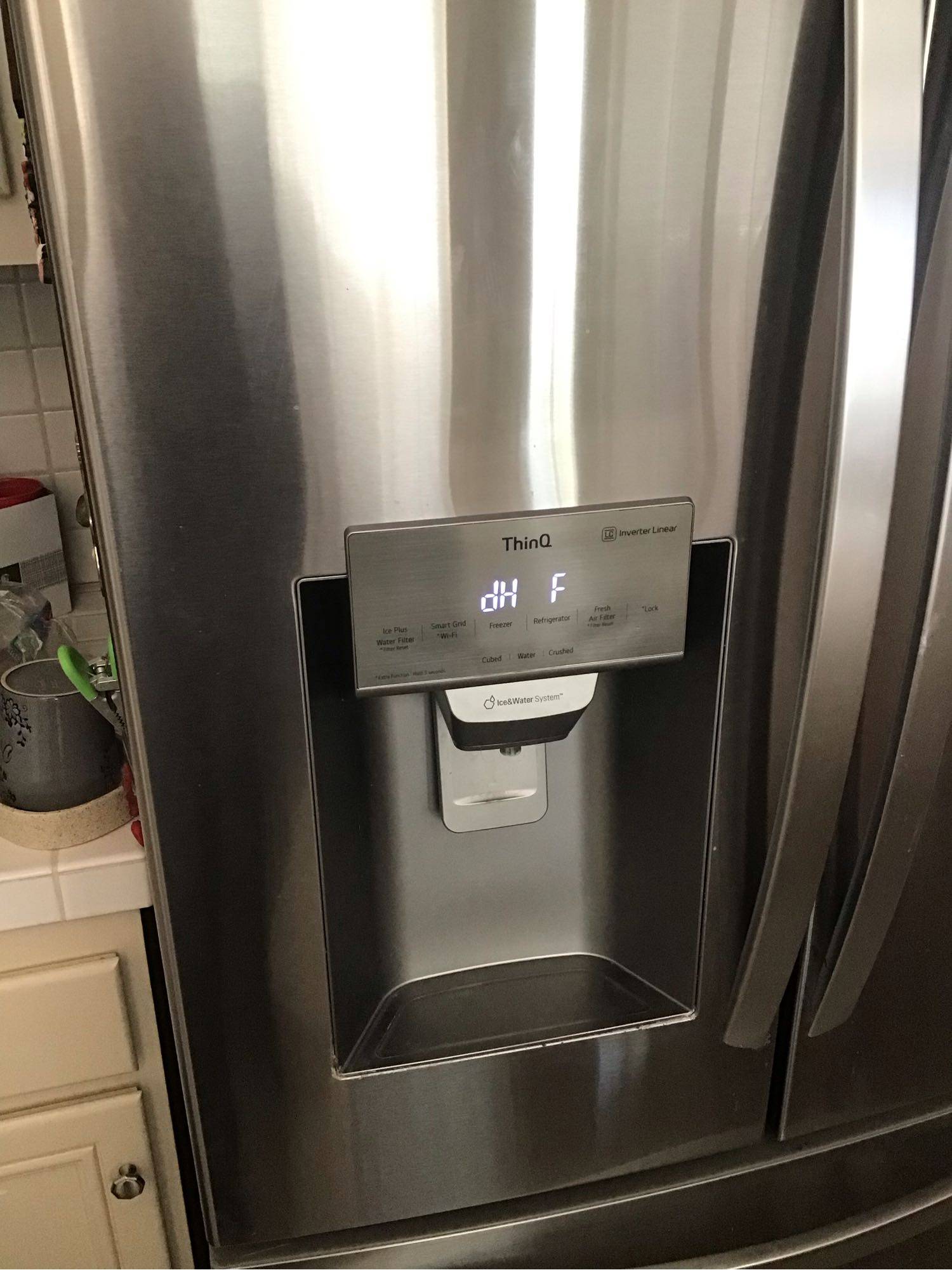
A refrigerator should produce some operating sounds. You may hear a soft hum when the compressor runs, a brief click during cycling, or the sound of air moving through the vents. However, when an LG refrigerator suddenly starts making a loud, persistent buzzing noise, it can indicate a problem that needs attention.
The source of the noise is often related to the condenser fan, evaporator fan, compressor, or another component that has become obstructed, worn, or damaged. Identifying the source early can help prevent a minor mechanical issue from turning into a more expensive refrigerator repair.
Why Is My LG Refrigerator Making a Loud Buzzing Noise?
The first step is determining when the buzzing occurs and where it is coming from. A refrigerator contains several moving and electrical components, so the sound can have different causes. If the buzzing starts when the refrigerator begins cooling, the compressor or condenser fan may be involved. If the sound changes when you open the refrigerator door, an evaporator fan could be the source. A buzzing noise that continues constantly may require a closer inspection.Condenser Fan Problems
The condenser fan is located near the compressor and helps remove heat from the refrigeration system. It normally operates during the cooling cycle. Over time, dust, dirt, pet hair, and debris can accumulate around the fan and its motor. This buildup can interfere with the fan blades and cause a louder-than-normal buzzing, rattling, or vibrating sound. A worn condenser fan motor can create similar symptoms. Bearings inside the motor may become noisy, or the fan may struggle to maintain the correct speed. A technician can inspect the fan blades, motor, mounting points, and surrounding area to determine whether cleaning, adjustment, or replacement is necessary.Compressor-Related Buzzing
The compressor is one of the most important components in an LG refrigerator. It circulates refrigerant through the sealed system and is responsible for maintaining the required cooling temperature. Some compressor noise is normal. A low hum during operation is expected. The problem arises when the sound becomes unusually loud, changes in character, or is accompanied by poor cooling. A failing compressor may produce buzzing, humming, clicking, or vibrating sounds. The compressor may also struggle to start properly or cycle repeatedly. Because the compressor is part of the refrigerator’s sealed refrigeration system, diagnosing a suspected compressor problem requires professional equipment and experience. Continuing to operate a refrigerator with a serious compressor issue can eventually result in food spoilage and additional component problems.Evaporator Fan and Ice Buildup
Not every buzzing sound comes from the bottom or rear of the refrigerator. The evaporator fan circulates cold air throughout the refrigerator and freezer compartments. If ice accumulates around the fan blades, the blades may contact the ice and create a loud buzzing or scraping sound. This can happen when the defrost system is not working correctly. A problem with the defrost heater, thermostat, sensor, or control system can allow excessive frost to accumulate around the evaporator. If the noise changes or disappears when the refrigerator door is opened, the evaporator fan deserves particular attention.Refrigerator Not Sitting Level
Sometimes the refrigerator itself is not the problem. If an LG refrigerator is not level or is touching a wall, cabinet, or another object, normal compressor and fan vibrations can become much louder. Loose panels or components can also amplify vibration and create a buzzing or rattling sound. Before assuming that a major component has failed, the appliance should be checked for proper positioning and obvious sources of vibration.When Loud Buzzing Is a Warning Sign
A noisy refrigerator deserves more attention when the buzzing is accompanied by other symptoms. Watch for:- Refrigerator or freezer not cooling properly
- Compressor running almost constantly
- Buzzing followed by clicking
- Fan blades making contact with ice
- Excessive vibration
- Unusual heat around the compressor area
- Frost buildup inside the freezer
- Refrigerator repeatedly starting and stopping
- Food temperature becoming inconsistent