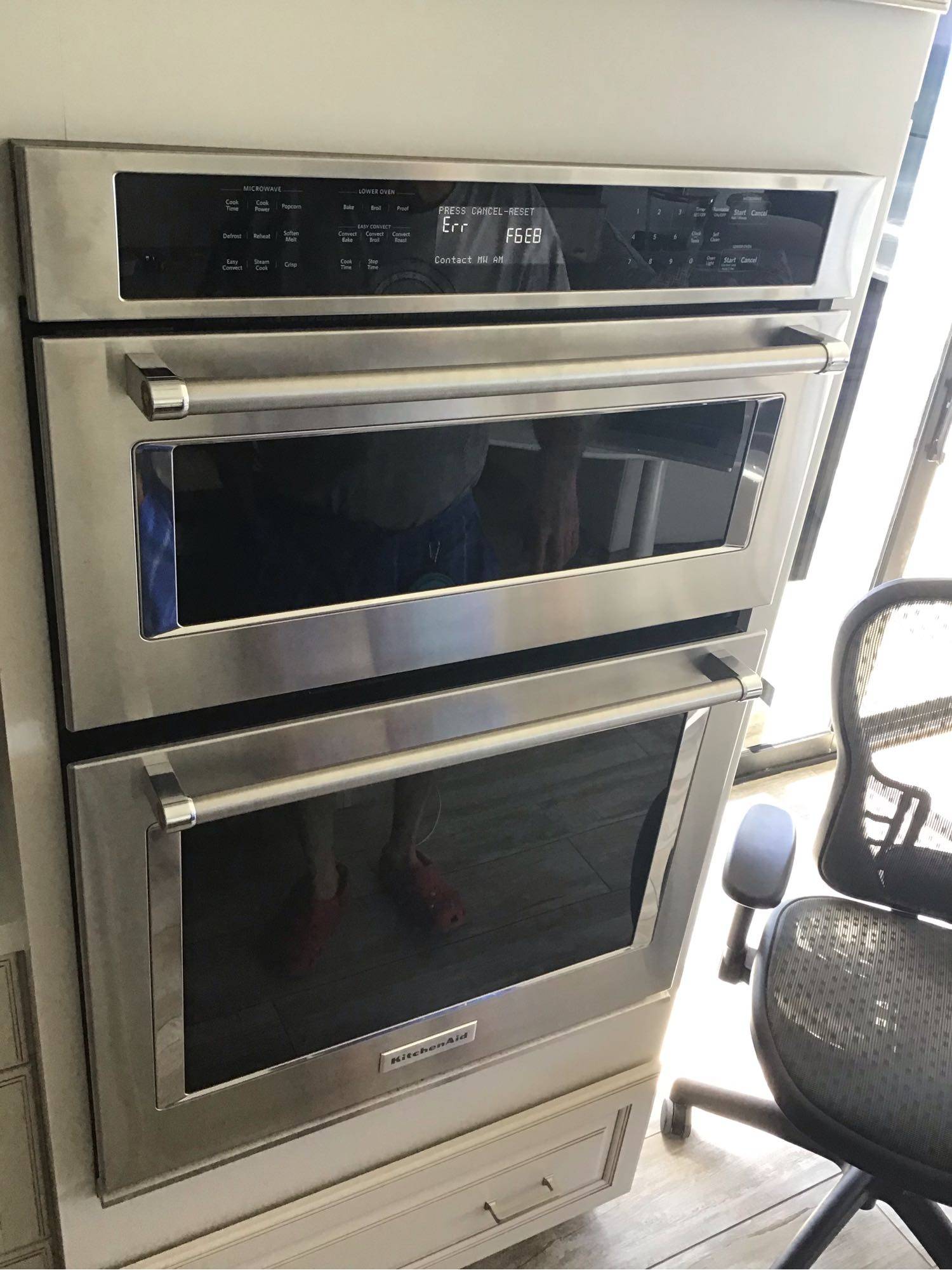
A KitchenAid oven should provide consistent heating without producing unusual chemical or burning odors during normal operation. When a strong burning plastic smell develops while baking, roasting, or preheating, it may indicate overheating electrical components, deteriorating wire insulation, or damaged internal connections. Although newly installed ovens can sometimes produce temporary manufacturing-related odors during their initial heating cycles, a persistent burning plastic smell in an established appliance requires immediate attention. Identifying the underlying problem can help prevent electrical hazards, protect surrounding components, and restore reliable cooking performance.

Why a KitchenAid Oven May Smell Like Burning Plastic

KitchenAid ovens contain numerous electrical components that operate under demanding temperature conditions. Heating elements, temperature sensors, electronic control boards, wiring harnesses, and electrical terminals work together to maintain the selected cooking temperature. These components are designed to tolerate the heat generated during normal operation, but deteriorating insulation, loose connections, or defective electrical parts can create localized overheating. When surrounding plastic materials or protective coatings become excessively hot, they may release a noticeable burning odor. The smell may initially appear only during extended cooking sessions or high-temperature programs before becoming more frequent as the underlying malfunction progresses.

Overheated Electrical Wiring

Damaged or overheating electrical wiring is one of the most concerning potential causes of a burning plastic smell. Internal wires carry electrical current between the oven’s power supply, heating elements, control board, and other operating components. Over time, repeated heating cycles, mechanical stress, and deteriorating insulation can compromise the condition of these connections. When insulation becomes damaged or electrical resistance increases at a connection, localized heat may develop and affect nearby materials. Homeowners may notice that the smell becomes stronger during preheating or when heating elements operate continuously. Because damaged wiring can create serious electrical hazards, the oven should remain disconnected from power until a qualified technician completes an inspection.

Loose or Damaged Electrical Terminals

Electrical terminals provide secure connections between wiring harnesses and individual oven components. When these connections become loose, corroded, or damaged, electrical resistance can increase and generate excessive heat during operation. High-resistance connections may gradually discolor surrounding materials, melt protective insulation, or damage nearby electronic assemblies. In some situations, homeowners may notice intermittent heating, unexpected shutdowns, or unusual electrical sounds alongside the burning smell. Professional technicians can inspect terminal blocks, connectors, and wiring assemblies to identify heat damage and determine which components require replacement.

Electronic Control Board Problems

The electronic control board coordinates essential oven functions, including temperature regulation, heating cycles, timers, and communication with the user interface. Although these assemblies are positioned to minimize exposure to cooking temperatures, electrical failures can still cause individual components to overheat. Damaged relays, deteriorating circuit connections, and malfunctioning electronic components may generate excessive heat within the control board assembly. As nearby protective materials become overheated, a distinctive burning plastic odor may develop. Additional warning signs can include flickering displays, unresponsive buttons, inconsistent heating, and cooking programs that unexpectedly stop. Accurate electrical diagnostics are necessary before replacing the control board because several other components can produce similar symptoms.

Damaged Heating Element Connections

Heating elements generate the temperatures required for baking and broiling, drawing substantial electrical current during operation. Their electrical connections must remain secure and properly insulated to withstand repeated heating cycles. When a heating element terminal becomes damaged or develops excessive resistance, localized overheating may occur near the connection point. Deteriorating insulation and surrounding materials can produce an unpleasant burning odor even when the heating element continues operating. A damaged heating element or associated wiring may also contribute to uneven cooking temperatures, extended preheating periods, and unexpected interruptions during baking.

Overheating Cooling Fans and Ventilation Components

Certain KitchenAid oven models incorporate cooling fans that help regulate temperatures around electronic controls and other heat-sensitive components. When a cooling fan becomes defective or ventilation passages are restricted, excessive heat may accumulate in areas that normally remain relatively protected. This increased temperature can accelerate deterioration of electrical insulation, connectors, and electronic assemblies. The problem may become particularly noticeable during prolonged baking sessions or after the oven has been operating at elevated temperatures. Professional inspection can determine whether cooling system problems contribute to overheating and identify any components that have already sustained damage.

When the Burning Smell Requires Immediate Action

A persistent burning plastic odor should never be ignored, especially when accompanied by smoke, visible discoloration, electrical buzzing, or unexpected appliance shutdowns. These symptoms may indicate active overheating or damaged electrical components that require urgent attention. If a burning smell develops, stop the cooking program and disconnect the oven from its electrical supply when it is safe to do so. Avoid operating the appliance again until a qualified professional has identified the source of the odor. If smoke, flames, or signs of an active electrical fire appear, evacuate the area and contact emergency services rather than attempting to investigate the appliance.

Professional KitchenAid Oven Diagnostics

Identifying electrical overheating requires specialized diagnostic procedures because damaged wiring, defective control boards, and deteriorating terminals can produce similar symptoms. Technicians evaluate electrical connections, inspect components for heat damage, and test relevant circuits to determine the source of the malfunction. A comprehensive inspection also helps identify secondary damage that may have developed around the affected components. Addressing these problems promptly can reduce the likelihood of recurring electrical failures and prevent unnecessary replacement of functional parts.

Schedule KitchenAid Oven Repair in San Diego

A KitchenAid oven that produces a burning plastic smell may have a developing electrical problem that requires immediate professional attention. Continuing to operate the appliance without identifying the cause can increase the risk of further component damage and potentially dangerous electrical conditions. San Diego Appliance Repair Center provides professional KitchenAid oven diagnostics and repair services for damaged wiring, overheating electrical connections, malfunctioning control boards, and other appliance problems. Contact San Diego Appliance Repair Center today to schedule professional KitchenAid oven repair in San Diego and restore safe, reliable cooking performance.