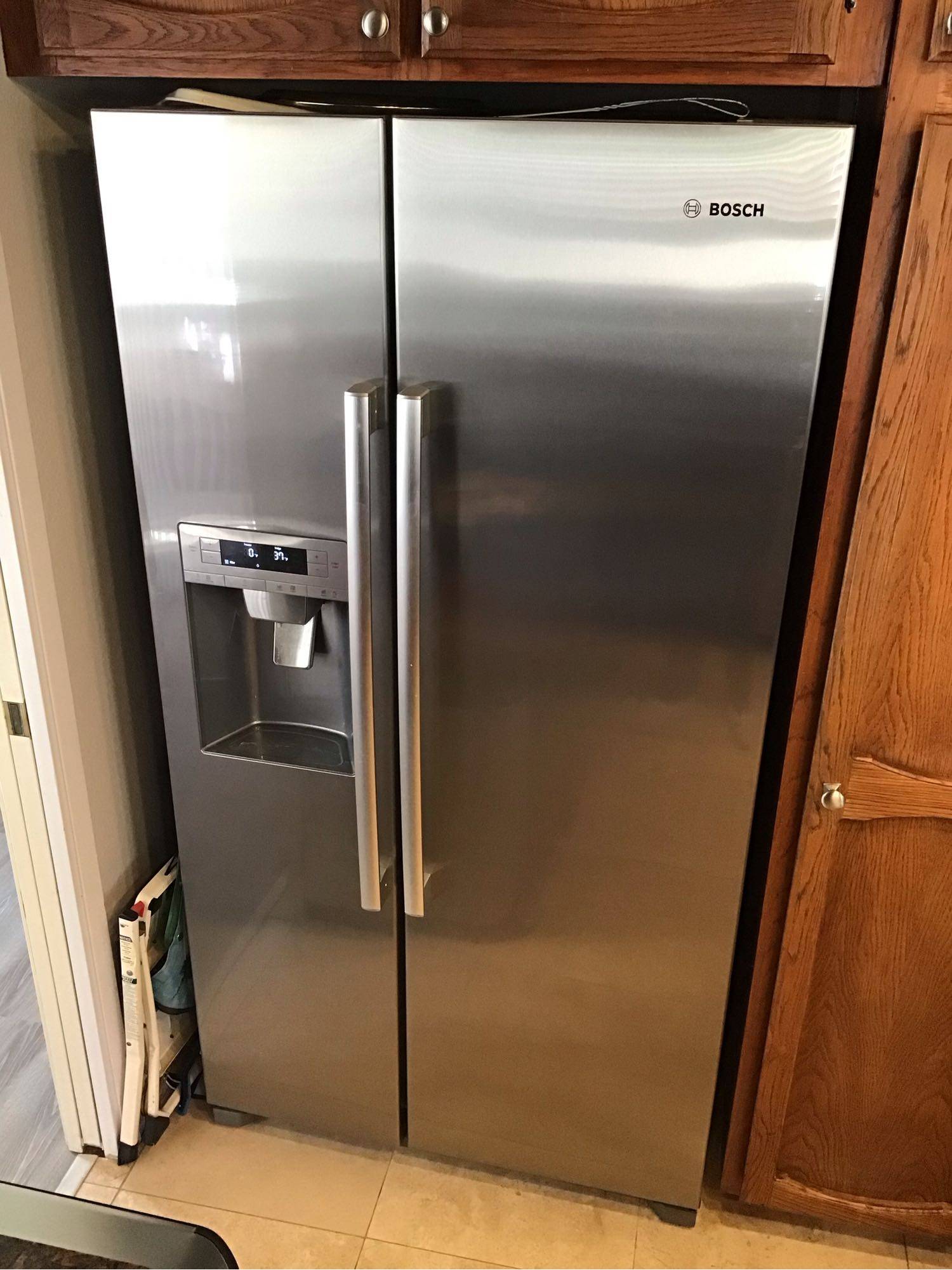
Finding water pooled beneath the crisper drawers in your Whirlpool refrigerator can be frustrating, especially when the rest of the appliance appears to be working normally. You may wipe up the moisture, return the drawers to their places, and discover another puddle a day later. This recurring problem often points to a clogged defrost drain, a damaged drain pan, or an issue with the refrigerator’s defrost drainage system. Understanding the possible causes can help you determine what to check safely and when to call a professional for refrigerator repair.

Why Is Water Collecting Under the Crisper Drawers?

Whirlpool refrigerators use an automatic defrost system to prevent frost from accumulating on the evaporator coil. During a defrost cycle, the refrigerator melts the frost, and the resulting water travels through a drain opening and tube into a drain pan near the bottom of the appliance. Heat from the compressor and surrounding components typically helps the collected water evaporate. When this drainage process works correctly, water should not accumulate inside the refrigerator compartment. If the drain becomes blocked or water cannot reach the pan, moisture may collect beneath the crisper drawers. Several problems can interrupt this process, and identifying the source is the first step toward a lasting repair.

Clogged Defrost Drain: A Common Cause

A clogged defrost drain is one of the most common explanations for water pooling at the bottom of a refrigerator. Food particles, debris, and ice can obstruct the drain opening, preventing melted frost from flowing out of the compartment. When the drain is blocked, water may accumulate behind the refrigerator’s interior panels before flowing into the fresh-food compartment. Because the crisper drawers sit near the bottom, they often become the first place where the leak is noticeable. You might also notice ice forming on the refrigerator floor or water returning shortly after you clean it up. If the blockage consists of accessible debris, removing it may resolve the problem. However, an ice obstruction can indicate that the drain line needs to be thawed and checked for recurring freezing. Simply removing the visible water will not correct a blocked drainage path. Avoid using sharp objects, boiling water, or excessive force to clear the drain. These methods can damage internal components or plastic tubing. If the drain opening is difficult to access, professional service is the safer option.

Frozen Drain Line or Repeated Ice Buildup

Sometimes, the drain opening is clear, but ice repeatedly forms inside the drain tube. This can happen when water freezes before it reaches the drain pan or when the drainage system has an underlying design, airflow, or temperature-related issue. A frozen drain may produce symptoms similar to a conventional clog. Water accumulates beneath the drawers, ice appears along the refrigerator floor, and the problem returns after the appliance has been operating for some time. A technician can inspect the drain passage, remove the obstruction safely, and determine why the water is freezing. Depending on the refrigerator model and the findings, the repair may involve clearing the line, correcting a drainage issue, or addressing a related component.

Damaged or Misaligned Drain Pan

The drain pan is located near the bottom of the refrigerator, usually behind the lower rear access panel. It collects water discharged through the defrost drain and allows that water to evaporate. If the pan is cracked, improperly positioned, or damaged, water may escape instead of remaining inside the collection area. A drain pan problem is more likely when moisture appears on the floor near the refrigerator’s base, although the location of the leak can vary by model. A damaged pan may not be visible without moving the refrigerator or removing an access panel. A technician can inspect the pan, check its position, and replace it if necessary. It is also important to distinguish a damaged pan from a blocked drain. Replacing the pan will not solve a clogged drainage line, and clearing the drain will not repair a cracked pan.

Other Possible Sources of Water

Although the defrost drainage system is a common suspect, other issues can cause moisture around the crisper drawers. A leaking water supply line, loose connection, or faulty water filter housing may allow water to travel into areas where it should not collect. If your Whirlpool refrigerator has an ice maker or water dispenser, these components deserve attention, particularly when the leak appears after dispensing water or producing ice. Excessive moisture can also develop when warm, humid air enters through a damaged door gasket or when the refrigerator door is left open frequently. Condensation may collect on interior surfaces and eventually drip toward the bottom of the compartment. The location, timing, and frequency of the leak can help narrow down the cause, but a proper inspection is needed to confirm the source.

What Can You Check Before Calling a Technician?

Start by removing the crisper drawers and wiping away standing water. Check whether the moisture appears to come from the rear wall, the floor of the compartment, or another area. Look for visible ice buildup, but avoid dismantling interior panels. Make sure food packages are not blocking air vents and that the refrigerator doors close completely. If you recently changed the water filter or moved the appliance, check for obvious signs of a loose connection or displaced component without removing covers. If the refrigerator has a water dispenser or ice maker, pay attention to whether the leak occurs after either feature is used. This information can help a technician identify the likely source more quickly. Do not ignore recurring leaks. Persistent moisture can damage nearby flooring, contribute to odors, and affect stored food if the refrigerator’s operation is compromised.

Professional Whirlpool Refrigerator Repair in San Diego

When water repeatedly collects under the crisper drawers, the most effective solution is to identify the exact source instead of repeatedly cleaning up the puddle. A qualified appliance repair technician can inspect the defrost drain, drainage tube, drain pan, water connections, and related components. The repair depends on the cause. A clogged drain may need cleaning, a frozen line may require proper thawing and further diagnosis, and a damaged pan or leaking connection may need replacement or adjustment. If your Whirlpool refrigerator is leaking water under the crisper drawers, contact San Diego Appliance Repair Center to schedule a service appointment. Professional diagnosis can help prevent recurring leaks and protect your kitchen from further water damage. Call San Diego Appliance Repair Center today to arrange Whirlpool refrigerator repair and get to the bottom of the leak. Whirlpool Refrigerator Leaking Water Under the Crisper Drawers? Here’s What Could Be Wrong