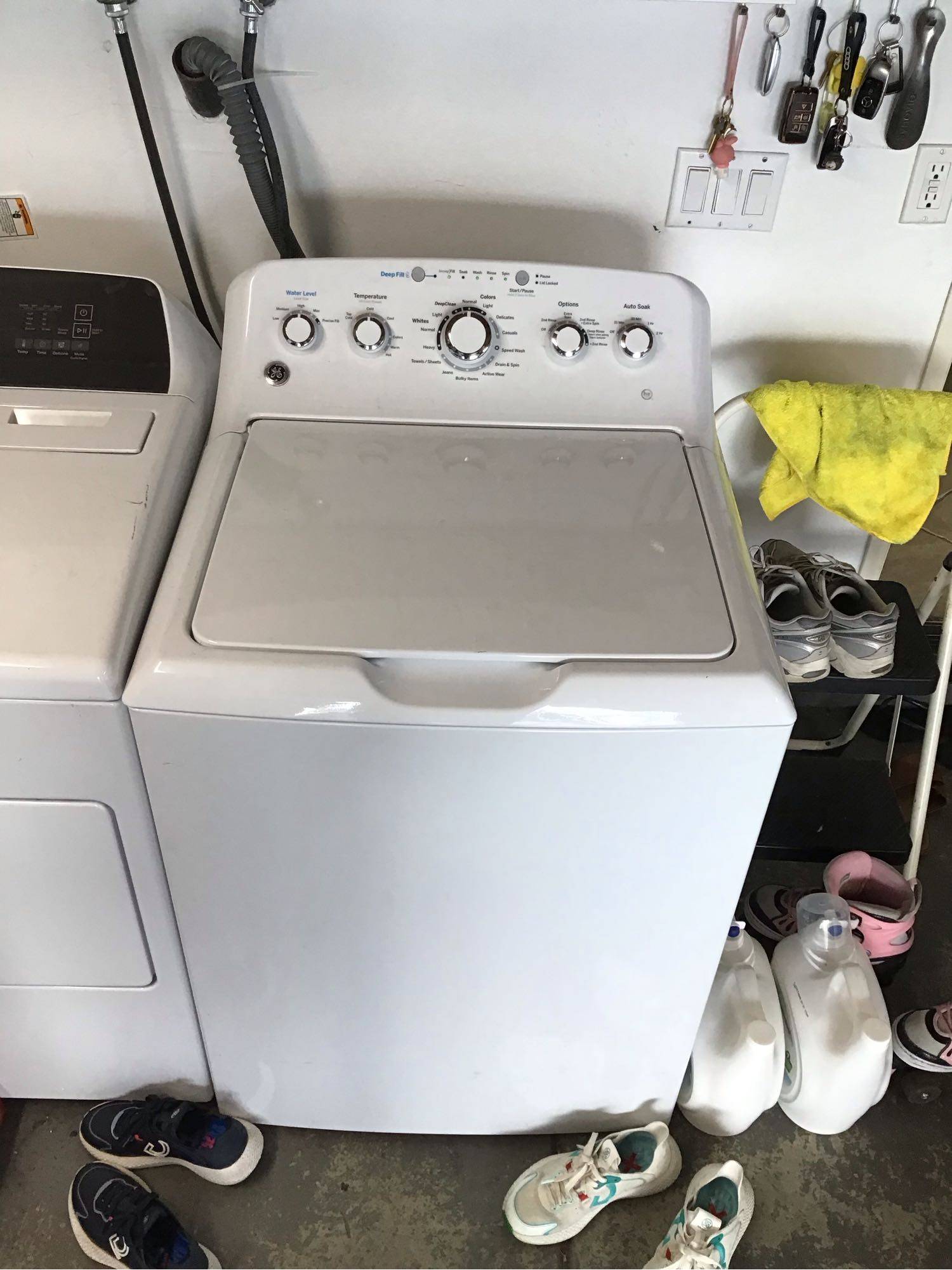
A washing machine that runs quietly through most of the cycle but suddenly starts vibrating loudly during the last minute of spinning is showing a very specific mechanical pattern. This timing matters. The final phase of the spin cycle reaches maximum drum speed, and even small defects that stay unnoticed earlier begin to surface under peak load. When this happens repeatedly, the issue is rarely random. It usually points to instability in the drum support system or reduced ability of the machine to balance high-speed rotation.

Why the last minute is different

During washing and rinsing, the drum rotates slowly, with frequent pauses. Loads inside the drum stay relatively stable, even if items are unevenly distributed. In the final spin stage, the machine increases speed to extract water. That shift creates strong centrifugal force. If the internal support system is even slightly weakened, the imbalance becomes noticeable only at this stage. The machine begins to shake, vibrate, or produce a loud thumping sound.

Worn suspension system

Most modern washers rely on shock absorbers or suspension rods to stabilize the drum. These components absorb movement and prevent the tub from striking the outer cabinet. Over time, shock absorbers lose resistance. Springs can stretch or weaken. When this happens, the drum starts to move excessively during high-speed rotation. The result is a loud vibration that appears right before the cycle ends, when the spin reaches its highest intensity. A typical sign of suspension wear is that the machine “walks” slightly or shifts position during spin. The noise may sound like repeated impacts against the inner walls.

Drum imbalance and load distribution issues

Uneven distribution of laundry is another frequent cause. A heavy item such as a towel or bedsheet can clump on one side of the drum. During low-speed cycles, the machine compensates. During the final spin, compensation limits are exceeded. Modern machines try to correct imbalance automatically by slowing down and redistributing the load. If the system fails to stabilize the drum within a short time window, it proceeds with the spin anyway, producing strong vibration at the end of the cycle. This pattern often appears when washing mixed fabrics or a single heavy item without balancing pieces.

Damaged drum bearings

If vibration is accompanied by a deep rumbling sound, worn drum bearings may be involved. Bearings support the rotation of the inner drum. When they degrade, friction increases and the drum loses smooth alignment. Unlike imbalance issues, bearing problems tend to worsen over time. The vibration becomes stronger, and noise begins earlier in the spin cycle before reaching its peak at the final minute.

Problems with shock absorbers or counterweights

Some machines use concrete or metal counterweights to stabilize the drum. If a mounting bolt loosens or a counterweight cracks, the balance of the entire system is affected. In such cases, vibration is sharp and heavy rather than rhythmic. It may feel like the machine is hitting the floor internally. This type of issue should be addressed quickly because continued operation can damage surrounding components.

Installation and leveling factors

A machine that is not properly leveled can amplify existing mechanical issues. If one leg is shorter or the floor is uneven, the drum shifts more aggressively during spin. Even a small tilt becomes critical at high rotation speed. The result is concentrated vibration during the final phase of the cycle, when force is at its peak. Checking the stability of the unit on the floor is a simple but often overlooked step.

When the issue signals deeper mechanical wear

A key indicator of a more serious problem is consistency. If the vibration appears during every wash regardless of load type, the cause is likely internal wear rather than user-related imbalance. Machines that previously operated smoothly but gradually developed stronger vibration at the end of cycles often show progressive wear of suspension components or bearings. Ignoring these signs increases strain on the motor, drum shaft, and internal frame.

Why timely repair matters

Operating a washing machine under unstable spin conditions affects more than noise levels. Excess movement stresses internal wiring, loosens fasteners, and accelerates wear of connected parts. What begins as a short vibration window can expand into full-cycle shaking, water leakage from displaced seals, or motor overheating. Early inspection prevents secondary damage and reduces repair complexity.

Professional inspection and repair

Accurately identifying the cause requires checking suspension components, drum alignment, bearing condition, and load balancing system behavior under spin conditions. In many cases, multiple small issues combine to create the final vibration symptom. A qualified technician can isolate the failing component and restore proper drum stability without unnecessary part replacement. For reliable diagnostics and repair of washing machines experiencing vibration during the final spin stage, contact the San Diego Appliance Repair Center. Prompt service helps prevent further mechanical damage and restores stable operation of the appliance.