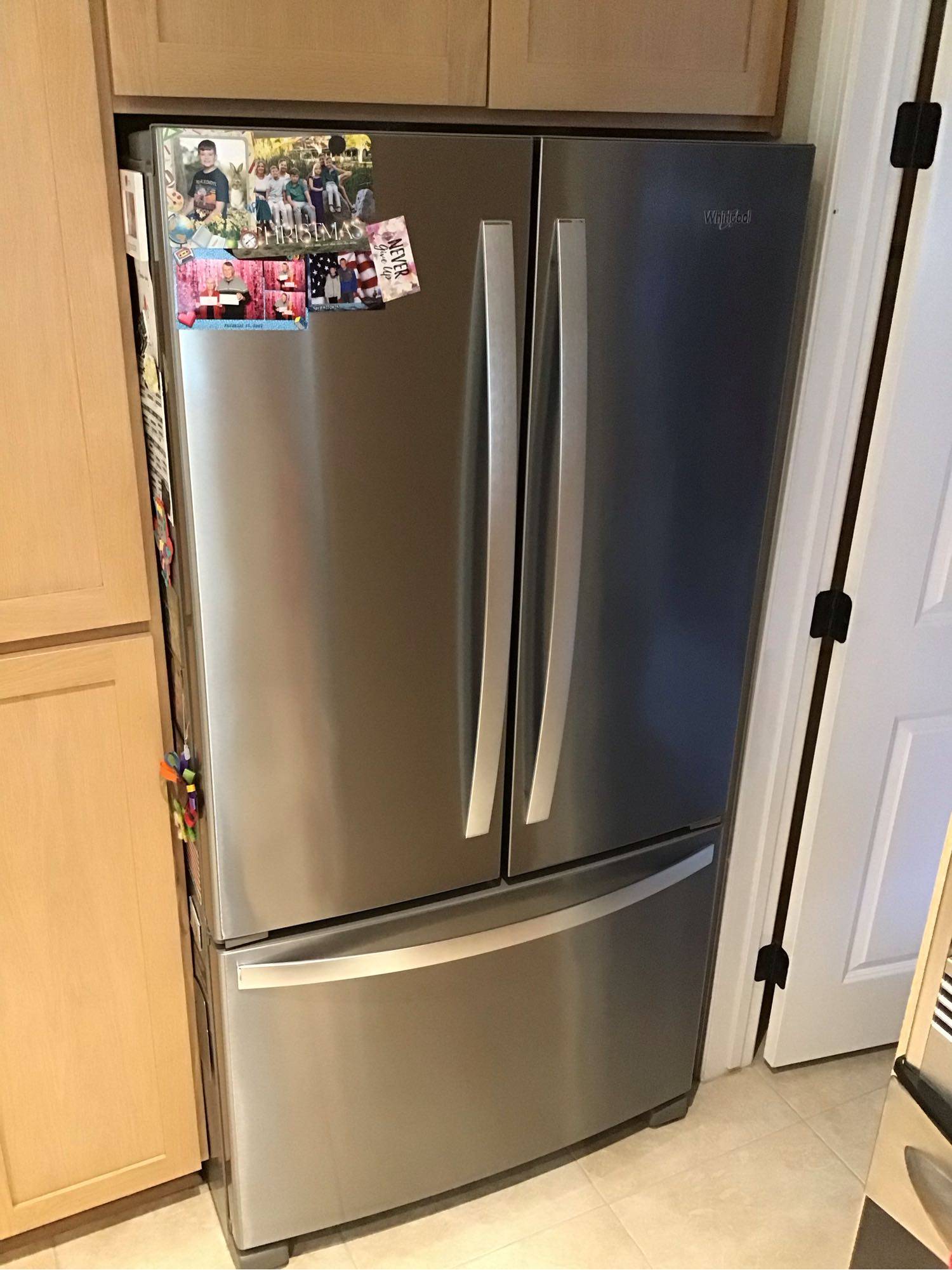
A refrigerator that cools properly in the morning but struggles to maintain temperature later in the day can be frustrating and concerning. At first glance, the appliance may appear to be functioning normally. Food feels cold, the compressor runs, and the refrigerator reaches the desired temperature after startup. However, as the day progresses, cooling performance declines, temperatures begin to rise, and food may no longer stay as cold as it should.
This pattern often points to issues involving the thermostat, condenser system, or other components that affect the refrigerator’s ability to maintain consistent cooling over extended periods.
One of the most common causes is a malfunctioning thermostat. The thermostat monitors internal temperatures and signals the cooling system when additional cooling is required. When the thermostat begins to wear out, it may provide inaccurate readings or fail to respond correctly to changing temperatures throughout the day.
In the early hours, when the refrigerator has recently completed a cooling cycle or ambient temperatures are lower, the appliance may appear to operate normally. As room temperatures rise and cooling demand increases, a faulty thermostat may fail to activate the compressor at the correct time. The result is a gradual loss of cooling performance that becomes more noticeable later in the day.
Another common source of the problem is a dirty or restricted condenser system. Condenser coils are responsible for releasing heat removed from the refrigerator’s interior. Over time, dust, pet hair, and debris can accumulate on the coils and reduce their efficiency.
When the refrigerator first starts operating, the condenser may still be capable of removing enough heat to maintain acceptable temperatures. As the appliance continues running throughout the day, however, the heat buildup becomes more significant. The dirty condenser struggles to release heat efficiently, forcing the compressor to work harder while cooling performance declines.
This issue is especially common in homes with pets, kitchens with heavy cooking activity, or refrigerators installed in tight spaces with limited ventilation.
Condenser fan problems can create similar symptoms. The condenser fan helps move air across the condenser coils and carries heat away from the appliance. If the fan motor becomes weak, intermittent, or partially obstructed, airflow decreases significantly.
During lighter operating periods, cooling may seem normal. Later in the day, as cooling demand increases, insufficient airflow can prevent proper heat dissipation and reduce overall refrigeration performance.
Environmental conditions can also expose underlying weaknesses in the cooling system. During the afternoon, kitchens often become warmer due to sunlight, cooking, and increased household activity. A refrigerator with marginal condenser efficiency or thermostat problems may struggle to compensate for these higher temperatures.
In some cases, users notice that beverages are not as cold by evening as they were earlier in the day. Others observe that dairy products soften slightly or that the refrigerator seems to run continuously without achieving the desired temperature. These symptoms often indicate that the appliance is losing cooling efficiency under sustained operating conditions.
Blocked airflow inside the refrigerator compartment can further contribute to inconsistent cooling. Overloaded shelves, improperly arranged food containers, or ice buildup near air vents may restrict circulation. While this may not be the primary cause, it can worsen existing thermostat or condenser-related problems.
A failing compressor relay can occasionally produce similar behavior. The relay helps start the compressor each time cooling is required. If it begins to fail intermittently, the compressor may not restart reliably after completing a cooling cycle. The refrigerator cools normally initially but struggles to maintain temperatures later as operating cycles become inconsistent.
Because several different components can create similar symptoms, accurate diagnosis is important. Professional technicians typically inspect thermostat operation, condenser coil condition, condenser fan performance, compressor cycling behavior, and overall temperature stability.
Early service can prevent food spoilage and reduce stress on expensive components. When cooling efficiency drops, the compressor often runs longer than normal in an attempt to compensate. Prolonged operation under these conditions can increase wear and potentially lead to more costly repairs.
Regular maintenance can help prevent many condenser-related issues. Keeping condenser coils clean, ensuring proper ventilation around the appliance, and scheduling periodic inspections can improve efficiency and extend refrigerator lifespan.
If your refrigerator starts cooling normally but loses performance later in the day, the problem should not be ignored. What begins as a minor thermostat or condenser issue can gradually develop into a larger system failure.
For accurate diagnosis and reliable repair, contact the San Diego Appliance Repair Center. Experienced technicians can identify the source of the cooling problem, restore proper refrigerator performance, and help prevent future breakdowns. Schedule your service appointment today and keep your refrigerator operating efficiently throughout the day.