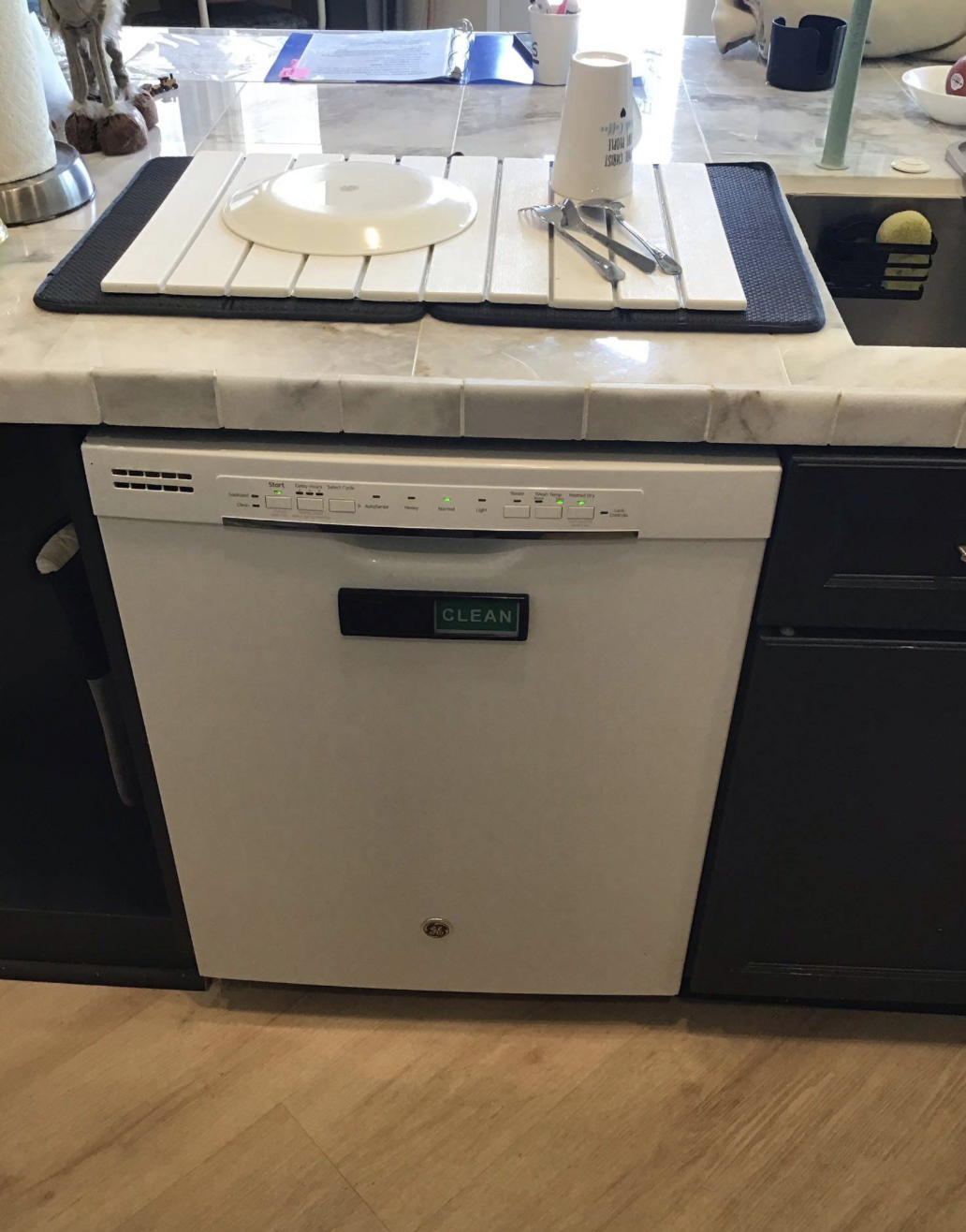
A dishwasher that repeatedly trips the circuit breaker is more than an inconvenience. If your KitchenAid dishwasher trips the circuit breaker, it could indicate an electrical problem that should not be ignored. While resetting the breaker may temporarily restore power, the underlying issue can worsen over time, potentially leading to appliance damage or even creating a safety hazard.
In many cases, the cause is a faulty heating element or a wiring short circuit, but several other electrical components may also be involved. Understanding the possible reasons behind this problem can help you recognize when it’s time to stop using the appliance and call a professional.
Why Does a KitchenAid Dishwasher Trip the Breaker?
A circuit breaker is designed to protect your home’s electrical system. When it detects excessive current or a short circuit, it automatically shuts off power to prevent overheating and electrical fires. If the breaker trips every time the dishwasher starts or during a specific stage of the cycle, the appliance is likely drawing more power than it should or electricity is escaping through damaged wiring. Ignoring this issue and repeatedly resetting the breaker can increase the risk of permanent damage.Faulty Heating Element
One of the most common causes is a defective heating element. The heating element warms the water during wash cycles and dries dishes at the end of the program. Over time, mineral deposits, corrosion, or normal wear can damage its protective coating. When this happens, electricity may leak from the element to the dishwasher’s metal frame, causing the breaker to trip. Signs of a failing heating element include:- Breaker trips during the drying cycle.
- Dishes remain wet after the cycle.
- Water doesn’t get hot enough.
- Burn marks or visible damage on the element.
- Burning smell during operation.
Wiring Short Circuit
Damaged wiring is another frequent reason a KitchenAid dishwasher trips the circuit breaker. Electrical wires inside the dishwasher experience constant vibration, moisture, and temperature changes. Over time, insulation may crack or wear away, allowing wires to touch metal components or one another. Common causes include:- Rodent damage.
- Melted wire insulation.
- Loose electrical connections.
- Pinched wires after previous repairs.
- Moisture entering electrical connectors.
Damaged Door Wiring Harness
Every time the dishwasher door opens and closes, the wiring harness flexes. After years of use, individual wires may break internally or lose insulation. When the damaged wire contacts the metal door frame, it creates a short circuit. Symptoms include:- Breaker trips when opening or closing the door.
- Dishwasher loses power intermittently.
- Control panel flickers.
- Cycle stops unexpectedly.
Defective Circulation Pump Motor
The circulation pump motor moves water through the spray arms. If the motor begins to fail internally, it may require excessive electrical current to operate. As the motor overheats, the breaker trips to protect the circuit. Warning signs include:- Loud humming noises.
- Dishwasher fills but doesn’t wash.
- Breaker trips shortly after washing begins.
- Burning electrical smell.
Water Leaks Reaching Electrical Components
Water and electricity are a dangerous combination. Small leaks from hoses, seals, or the sump assembly may drip onto electrical wiring or connectors. Once moisture reaches energized components, the breaker may trip immediately. Possible leak sources include:- Door gasket.
- Pump seal.
- Drain hose.
- Water inlet valve.
- Internal hose connections.
Faulty Control Board
Although less common, the electronic control board can also develop internal electrical shorts. A damaged relay or burned circuit trace may cause the breaker to trip as soon as a particular function is activated. Symptoms include:- Random breaker trips.
- Unresponsive controls.
- Cycle stops unexpectedly.
- Burn marks on the control board.
- Error codes.
Household Electrical Problems
Sometimes the dishwasher itself is not the primary issue. Electrical problems in the home’s wiring can produce similar symptoms. Possible causes include:- Loose breaker connections.
- Shared overloaded circuits.
- Incorrect breaker size.
- Worn electrical outlets.
- Improper dishwasher installation.
Can You Continue Using the Dishwasher?
If your KitchenAid dishwasher trips the circuit breaker, it is best to stop using it until the cause has been identified. Repeatedly resetting the breaker can allow hidden electrical damage to worsen. Continued operation may result in:- Damaged control board.
- Burned wiring.
- Motor failure.
- Electrical shock hazards.
- Increased fire risk.
How Professionals Diagnose the Problem
Experienced appliance technicians follow a systematic diagnostic process. This typically includes:- Inspecting wiring for damage.
- Testing the heating element for ground faults.
- Measuring motor current draw.
- Examining the control board.
- Checking door harness continuity.
- Looking for water leaks.
- Testing electrical insulation.
- Verifying household voltage and breaker condition.
Preventing Future Electrical Problems
Routine maintenance helps reduce the likelihood of electrical failures. Helpful maintenance practices include:- Clean the dishwasher filter regularly.
- Repair leaks immediately.
- Avoid overloading the dishwasher.
- Use the correct detergent.
- Inspect power connections during routine service.
- Schedule periodic professional inspections.