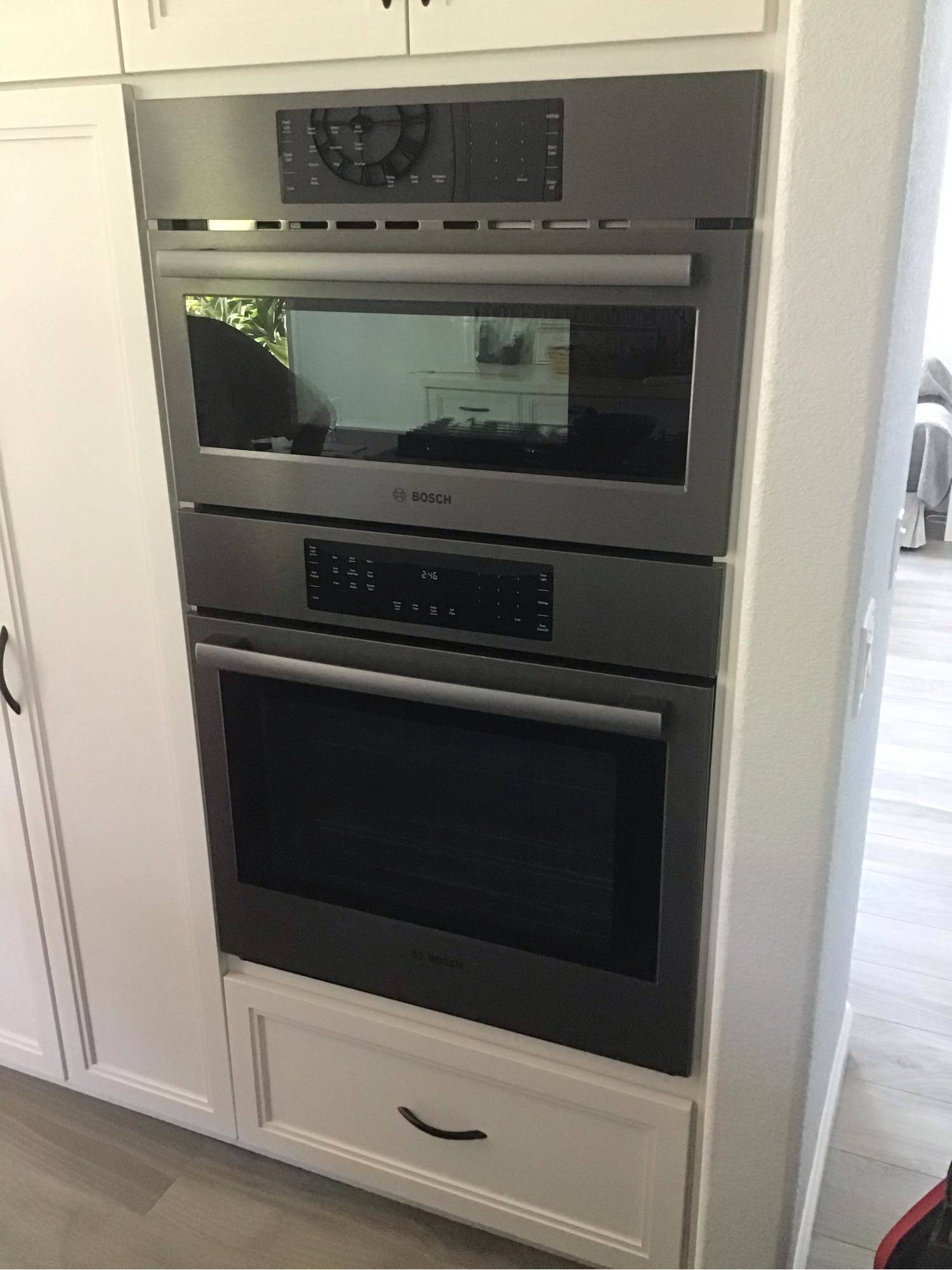
A Whirlpool oven that shuts off in the middle of cooking can turn a routine meal into a frustrating problem. You may notice that the display goes blank, the heating elements stop working, or the oven simply stops maintaining the selected temperature. In some cases, the oven may work normally again after cooling down, making the problem difficult to identify. Repeated shutdowns should not be ignored. An oven that turns off unexpectedly may have an electrical or temperature-related failure that can become more serious if the appliance continues to operate under faulty conditions. Two possible causes are a failing control board and a defective thermal fuse. However, other components can also cause similar symptoms, so proper diagnosis is important before replacing parts.

Possible Control Board Failure

The electronic control board manages many of the oven’s functions. Depending on the Whirlpool model, it can control temperature regulation, heating elements, timers, display functions, and communication between different components. When the control board begins to fail, the oven may behave unpredictably. It might shut down after running for a certain amount of time, lose the display, stop responding to buttons, or restart on its own. Heat can contribute to electronic failures. The control board is exposed to elevated temperatures during normal oven operation, and damaged components or electrical connections may become more problematic as the oven heats up. If the oven works when cold but shuts down after heating for a while, the control system should be inspected. A technician can check the board, wiring, connections, and related components to determine whether the board is actually responsible. Replacing the control board without confirming the diagnosis can be expensive, particularly when another component is causing the shutdown.

Thermal Fuse Problems

The thermal fuse is a safety component designed to protect the appliance from excessive temperatures. If the oven becomes dangerously hot because of a malfunction, the fuse may open the electrical circuit to prevent further operation. A blown thermal fuse can cause the oven to stop heating or lose power completely. Once a thermal fuse has opened, it generally needs to be replaced rather than reset. However, replacing the fuse alone may not solve the underlying problem. If excessive heat caused the fuse to blow, a technician should determine why the oven reached that temperature. Possible contributing issues can include restricted airflow, a cooling fan problem, a malfunctioning temperature sensor, or another electrical component operating incorrectly.

Check the Oven’s Temperature Behavior

Pay attention to when the oven shuts off. Timing can provide useful information during diagnosis. If the oven stops shortly after preheating, an electrical or control problem may be involved. If it operates for 30 minutes or longer before shutting down, heat-related component failure may be more likely. Also check whether the display remains on. If the heating stops but the display continues to work, the issue may involve the heating circuit, temperature sensor, relay, or another component. If the entire display goes blank, the problem may be related to the power supply, thermal protection, control board, wiring, or another electrical component. These observations can help a technician narrow down the cause.

Temperature Sensor and Overheating Issues

A defective temperature sensor can also cause an oven to shut down unexpectedly. The sensor monitors the oven cavity temperature and sends information to the control system. If the sensor provides incorrect readings, the control board may receive inaccurate temperature information. Depending on the failure, the oven may underheat, overheat, cycle incorrectly, or shut down. An overheating problem may also involve the cooling system. Many modern ovens use cooling fans to protect electronic components and surrounding areas from excessive heat. If a cooling fan does not operate correctly, heat can accumulate around sensitive components. Because several failures can produce similar symptoms, testing is more reliable than replacing parts based only on the symptom.

Wiring and Electrical Connections

Loose, damaged, or overheated wiring can interrupt power to an oven while it is operating. Electrical connections may deteriorate over time because of heat and repeated use. A technician should inspect the wiring and terminals for signs of burning, corrosion, loose connections, or damaged insulation. Electrical testing can help determine whether power is reaching the appropriate components when the oven is operating and when the shutdown occurs. Do not attempt to bypass a thermal fuse or other safety component. These parts are installed to protect the appliance, and bypassing them can create a serious safety hazard.

When Professional Repair Is Recommended

An oven that repeatedly shuts off during cooking requires more than a quick reset. If the appliance loses power, displays an error, produces unusual smells, overheats, or repeatedly stops during operation, professional diagnosis is recommended. A qualified appliance technician can test the thermal fuse, temperature sensor, control board, wiring, heating components, and other relevant parts. This helps identify the actual source of the problem and prevents unnecessary part replacement. Until the cause is identified, avoid repeatedly restarting an oven that is shutting down unexpectedly. If you notice burning smells, smoke, sparking, or signs of electrical damage, stop using the appliance and arrange for service.