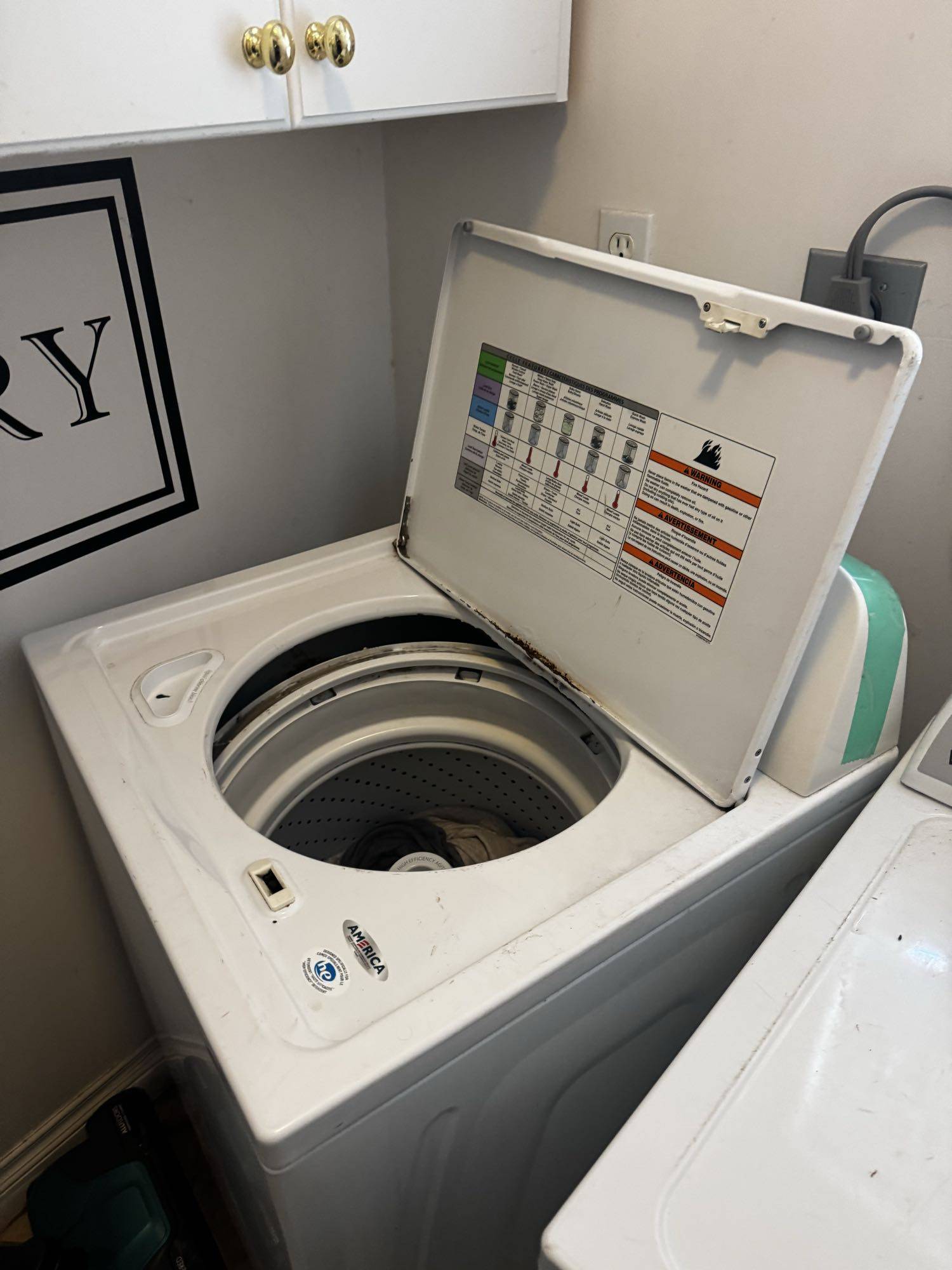
A Bosch washing machine should operate with a relatively smooth, consistent sound during washing and spinning. If the drum begins scraping against the rubber door seal, producing a rubbing noise or leaving visible marks on the gasket, something may be wrong with the drum assembly. Although a small object caught between the drum and tub can sometimes cause unusual sounds, persistent scraping may indicate drum misalignment, worn bearings, or damage to the suspension system.
Ignoring this problem can lead to more extensive damage. The rotating drum may gradually wear through the door seal, allowing water to escape during a wash cycle. Identifying the source of the noise early can help prevent additional repairs and restore normal washing machine operation.
What Causes a Bosch Washing Machine Drum to Scrape Against the Door Seal?
Several mechanical problems can cause the drum to move too close to the rubber gasket. The exact cause depends on the machine’s age, the type of noise, and whether the drum moves excessively when turned by hand.Worn Drum Bearings
Drum bearings allow the inner drum to rotate smoothly around its axis. Over time, moisture, normal wear, and deterioration of the bearing seal can damage these components. As the bearings wear, the drum may develop excessive movement, allowing it to shift away from its intended position. A common warning sign is a deep rumbling or grinding noise that becomes louder during the spin cycle. You may also notice that the drum feels loose when gently lifted at the opening. In advanced cases, the movement can cause the drum to scrape against the door seal. Bearing replacement can be a substantial repair because accessing the bearing assembly may require significant disassembly. The appropriate repair depends on the particular Bosch model and whether other components have also been damaged.Drum Misalignment or Excessive Movement
The inner drum must remain properly positioned within the outer tub. If its alignment changes, the gap between the drum and the door seal may become uneven. The drum can then rub against the gasket as it rotates. Misalignment may result from worn suspension components, damaged drum supports, or mechanical failure within the drum assembly. Overloading the washing machine can place additional stress on these parts, although overloading alone does not confirm the cause of scraping. If the drum appears noticeably lower on one side or moves excessively during rotation, stop using the appliance until the problem has been inspected. Continuing to run it may damage the gasket and other surrounding components.Damaged Shock Absorbers or Suspension Springs
Shock absorbers and suspension springs keep the tub stable while the drum spins. They help control movement as wet laundry shifts inside the machine. When a shock absorber loses its damping ability or a suspension spring becomes damaged, the tub may move excessively during operation. The resulting movement can bring the rotating drum into contact with the door seal or other surrounding parts. This problem may be accompanied by banging, strong vibration, or the washing machine moving across the floor during high-speed spinning. An unbalanced load can produce similar symptoms, so a technician should distinguish between a temporary load imbalance and a damaged suspension system.A Foreign Object Near the Drum
Coins, bra wires, metal fasteners, and other small objects can become trapped between the inner drum and the outer tub. Depending on their position, they may create a scraping, ticking, or metallic rubbing sound. Check the drum interior and the visible folds of the rubber door seal for loose objects. Remove any accessible item only if you can do so safely without forcing or damaging the gasket. Objects trapped deeper inside the appliance generally require professional removal. If the noise continues after checking for accessible debris, avoid assuming that a foreign object is responsible. A mechanical fault may be causing the same symptom.Warning Signs You Should Not Ignore
Scraping sounds are often accompanied by other symptoms that help narrow down the cause. Watch for these signs:- Black or gray rubber marks around the drum opening.
- Cuts, grooves, or torn sections in the door seal.
- A loud rumbling or grinding noise during spinning.
- Excessive movement when the drum is gently lifted.
- Water leaking from the front of the washing machine.
- Unusual vibration or banging during high-speed cycles.
- Laundry catching on damaged rubber or emerging with unexplained marks.