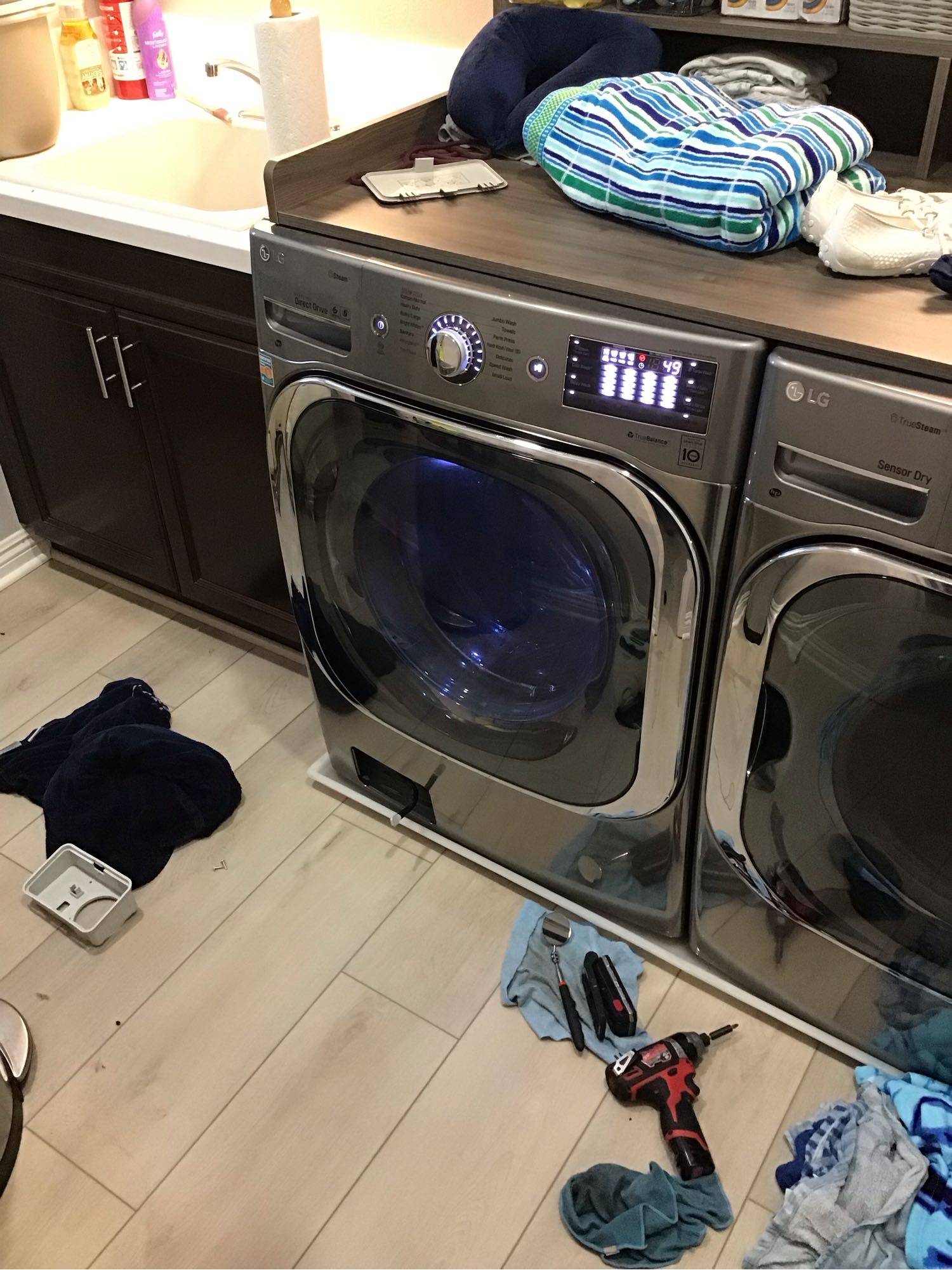
A Kenmore dryer that becomes excessively hot during operation should not be ignored. While a dryer naturally produces significant heat, temperatures that seem unusually high, clothes that feel extremely hot, burning smells, or repeated shutdowns can indicate a problem with the airflow or temperature-control system.  Two common causes are a blocked dryer vent and a faulty thermostat. Both issues can prevent the appliance from regulating heat correctly. Continued operation under these conditions can damage clothing, internal components, and, in severe cases, create a fire hazard.

How a Blocked Vent Can Cause Overheating

A dryer needs consistent airflow to remove warm, moist air from the drum. During a normal cycle, air passes through the drum, collects moisture, travels through the lint filter and exhaust duct, and eventually exits the home through the exterior vent. When lint, debris, or other material restricts the vent, heated air cannot escape efficiently. The temperature inside the dryer can rise beyond its normal operating range. A partially blocked vent may cause clothes to take much longer to dry. You may also notice that the dryer cabinet feels unusually hot or that the laundry room becomes warmer than usual. A completely or severely blocked vent can cause even more serious symptoms. The dryer may shut down unexpectedly because of excessive heat, and repeated overheating can place additional stress on heating components and electrical parts. The lint screen should be cleaned after every load, but cleaning the screen alone does not guarantee that the entire ventilation system is clear. Lint can accumulate inside the exhaust hose, wall duct, or exterior vent opening.

Signs of a Ventilation Problem

Several symptoms can point toward restricted airflow:
  • Clothes require multiple cycles to dry.
  • The dryer becomes very hot during operation.
  • The laundry room feels unusually warm.
  • The dryer shuts off before the cycle finishes.
  • A burning or overheated smell appears.
  • Little air comes from the exterior vent.
  • Lint accumulates around the vent opening.
  • Drying performance has gradually become worse.
If these symptoms appear together, the ventilation system should be inspected rather than simply replacing internal dryer components. The exhaust hose should also be checked for crushing, sharp bends, or improper installation. Even without a large lint buildup, a restricted hose can reduce airflow enough to contribute to overheating.

Thermostat Problems Can Affect Dryer Temperature

Kenmore dryers use temperature-control components to maintain an appropriate operating temperature. Depending on the model, these can include cycling thermostats, high-limit thermostats, thermal fuses, thermistors, and related sensors. The cycling thermostat helps regulate the heating system by responding to temperature changes. When the dryer reaches a certain temperature, the heating element or gas burner should cycle off. As the temperature drops, the system can turn the heat back on. If the thermostat becomes defective, it may fail to respond correctly to temperature changes. In some cases, the heating system may remain active for too long, allowing the dryer to become hotter than intended. A thermostat problem can produce symptoms that resemble a ventilation issue. Clothes may become excessively hot, the dryer may cycle irregularly, or the appliance may shut down because another safety component detects excessive temperature. Because these components are connected to the dryer’s electrical and heating systems, accurate testing is necessary before replacing anything.

Heating Element Problems Can Also Contribute

Although a blocked vent and thermostat failure are common possibilities, overheating can have other causes. On an electric Kenmore dryer, a damaged heating element can sometimes become grounded against its housing. This may allow the element to continue producing heat even when the normal control circuit should have switched it off. Gas models have their own potential problems, including burner and gas-valve components that can affect temperature regulation. A professional technician can inspect the heating system, thermostats, sensors, wiring, and airflow path to determine why the dryer is running too hot.

Why Repeated Overheating Should Be Avoided

Operating an overheating dryer repeatedly can increase wear on several components. Excessive heat can affect wiring, insulation, control components, drum seals, and other internal parts. There is also a practical concern for your laundry. High temperatures can shrink fabrics, damage elastic materials, fade clothing, and cause delicate items to deteriorate faster. The safest approach is to stop using the dryer if it becomes significantly hotter than normal, produces a burning odor, or repeatedly shuts down during a cycle.

What a Professional Inspection Can Include

A dryer technician can begin by checking the airflow system and exterior exhaust. The lint filter, exhaust hose, wall duct, and outside vent can all be inspected for restrictions. The technician may then test the thermostat and other temperature sensors to determine whether they are responding within the manufacturer’s specifications. The heating element or gas heating system can also be inspected for abnormal operation. Electrical connections, wiring, thermal protection components, and the main control system may need testing if the basic components appear functional. This step-by-step approach helps identify the actual source of the overheating rather than replacing parts based only on symptoms.

When to Call for Kenmore Dryer Repair

If your Kenmore dryer overheats, takes too long to dry clothes, shuts off unexpectedly, or produces an unusual smell, professional diagnosis is recommended. A ventilation problem may require cleaning or correction of the exhaust system, while a defective thermostat or another internal component may require replacement. Addressing the cause early can help restore normal drying performance and reduce the risk of additional damage. For reliable dryer troubleshooting and repair, contact San Diego Appliance Repair Center. Their technicians can inspect your Kenmore dryer, identify the cause of overheating, and recommend the appropriate repair. Call San Diego Appliance Repair Center to schedule Kenmore dryer service and get your appliance operating safely and efficiently again.