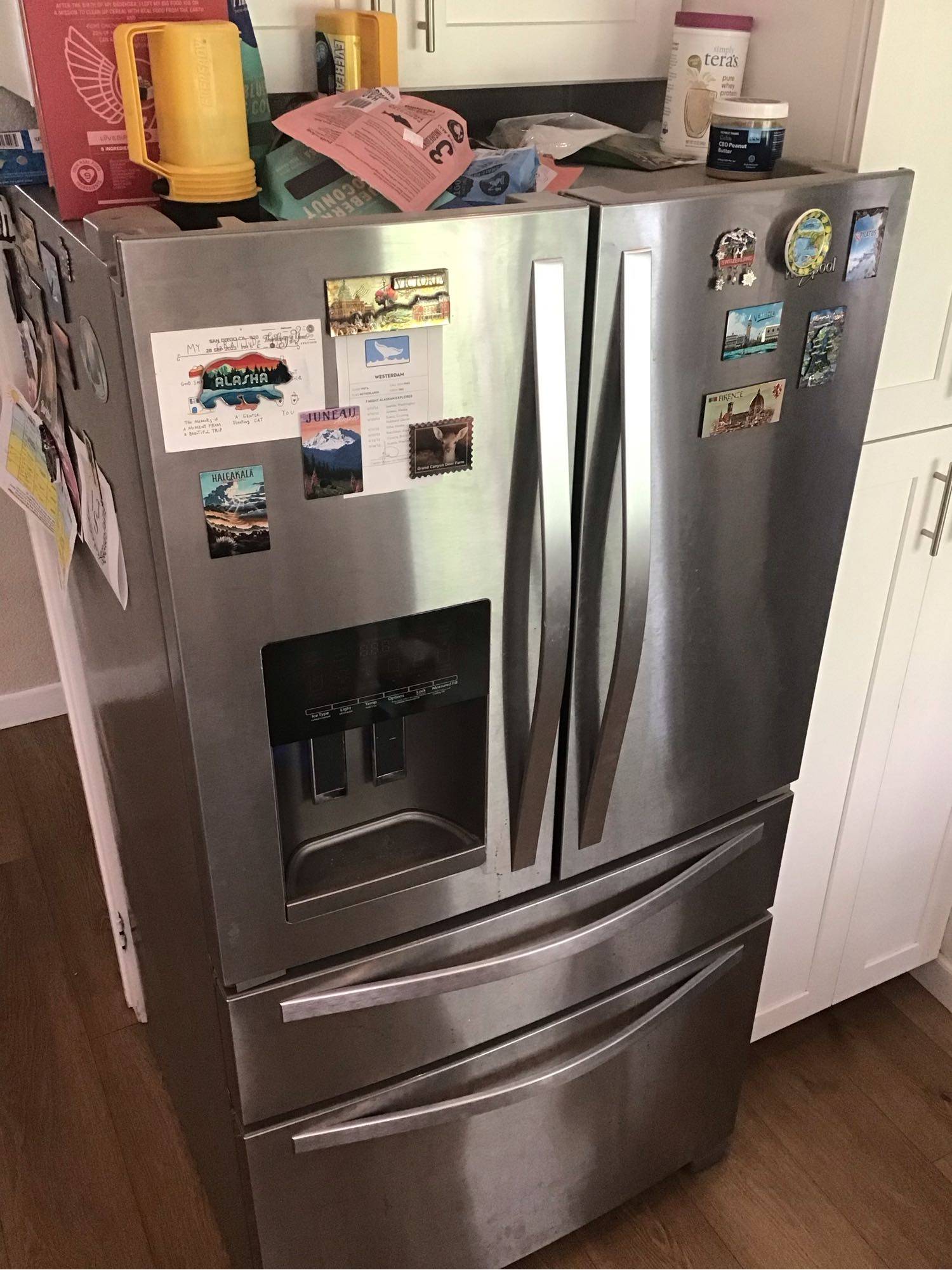
A KitchenAid refrigerator is designed to cycle its compressor on and off to maintain the selected temperature. If you notice that the compressor seems to run continuously, especially for hours without stopping, the refrigerator may be struggling to maintain the correct temperature. In some cases, the cause is a simple thermostat problem. In others, continuous operation can point to a sealed system issue that requires professional diagnosis. Understanding the possible causes can help you recognize the problem before it affects food storage or leads to more serious refrigerator damage.

Why Does a KitchenAid Refrigerator Compressor Run Continuously?

The compressor is responsible for circulating refrigerant through the sealed cooling system. When the refrigerator needs to lower the temperature, the compressor turns on. Once the desired temperature is reached, the control system should signal it to stop. If the compressor continues running, the refrigerator may not be reaching the target temperature. The appliance then keeps calling for cooling in an attempt to compensate. One possible cause is a faulty thermostat or temperature sensor. These components monitor the temperature inside the refrigerator and communicate with the control system. If a thermostat is inaccurate or stuck in a cooling position, the compressor may receive a continuous signal to operate.

Faulty Thermostat or Temperature Sensor

A thermostat problem can cause unusual temperature behavior. The refrigerator may become too cold in some areas while other sections remain warmer than expected. You may also hear the compressor operating much longer than usual. Depending on the KitchenAid model, temperature regulation may involve an electronic sensor rather than a traditional mechanical thermostat. A defective sensor can send incorrect temperature information to the control board. Before replacing any component, a technician should test the thermostat or sensor and verify whether it is actually producing the correct readings. Replacing parts without identifying the underlying fault can result in unnecessary repair costs.

Sealed System Problems

Another possible cause is a problem within the refrigerator’s sealed system. This system includes the compressor, evaporator, condenser, refrigerant, tubing and related components that work together to transfer heat out of the refrigerator. A refrigerant leak is one example of a sealed system failure. If the refrigerant charge becomes too low, the refrigerator may have difficulty reaching the selected temperature. The compressor can continue operating for extended periods while providing inadequate cooling. A restriction in the refrigerant circuit can produce similar symptoms. The compressor may run, but refrigerant may not circulate properly through the system. In these situations, simply adjusting the thermostat will not solve the problem.

Condenser and Airflow Problems

Continuous compressor operation can also be related to poor heat dissipation. The condenser needs adequate airflow to release heat from the refrigeration system. If condenser coils are heavily covered with dust or the condenser fan is malfunctioning, the refrigerator may have to work harder to maintain its temperature. A refrigerator installed too close to a wall or surrounded by restricted airflow can experience similar problems. High room temperatures can also increase compressor runtime, particularly during hot weather. Cleaning accessible condenser areas according to the manufacturer’s instructions may help if dirt is the cause. However, if the compressor continues running afterward, further diagnosis may be necessary.

Door Seal and Temperature Loss

A damaged or poorly sealing door gasket can allow warm air to enter the refrigerator continuously. Every time warm, humid air enters, the appliance has to remove additional heat and moisture. Check whether the gasket is torn, loose, cracked or visibly deformed. Also make sure shelves, containers or food packages are not preventing the door from closing completely. Frequent door opening can temporarily increase compressor runtime, but it should not normally cause the compressor to operate continuously under ordinary household conditions.

Why Professional Diagnosis Matters

A refrigerator’s cooling system contains components that require proper testing and specialized equipment. Sealed system repairs, refrigerant-related problems and compressor faults should be evaluated by a qualified appliance technician. A professional can check operating temperatures, airflow, electrical components, thermostat or sensor readings and sealed system performance. This helps determine whether the problem is caused by a control component, airflow issue, refrigerant problem or compressor-related failure. Continuing to operate a refrigerator with a serious cooling problem can also put additional strain on the compressor. If temperatures are rising, perishable food may become unsafe to keep.

When to Schedule KitchenAid Refrigerator Repair

If your KitchenAid refrigerator compressor runs almost constantly and the appliance is still maintaining the correct temperature, the cause may be related to heavy usage, ambient temperature or airflow. However, continuous operation combined with poor cooling, unusual noises, frost problems or temperature fluctuations deserves attention. Do not ignore the problem if the refrigerator is gradually becoming warmer. Early diagnosis may identify a faulty thermostat, sensor, fan or airflow problem before a more expensive sealed system or compressor failure develops. For reliable diagnosis and repair, contact San Diego Appliance Repair Center. Our appliance repair technicians can inspect your KitchenAid refrigerator, identify why the compressor is running continuously and recommend the appropriate repair.   If your KitchenAid refrigerator won’t stop running, contact San Diego Appliance Repair Center today to schedule a professional appliance inspection and repair service.