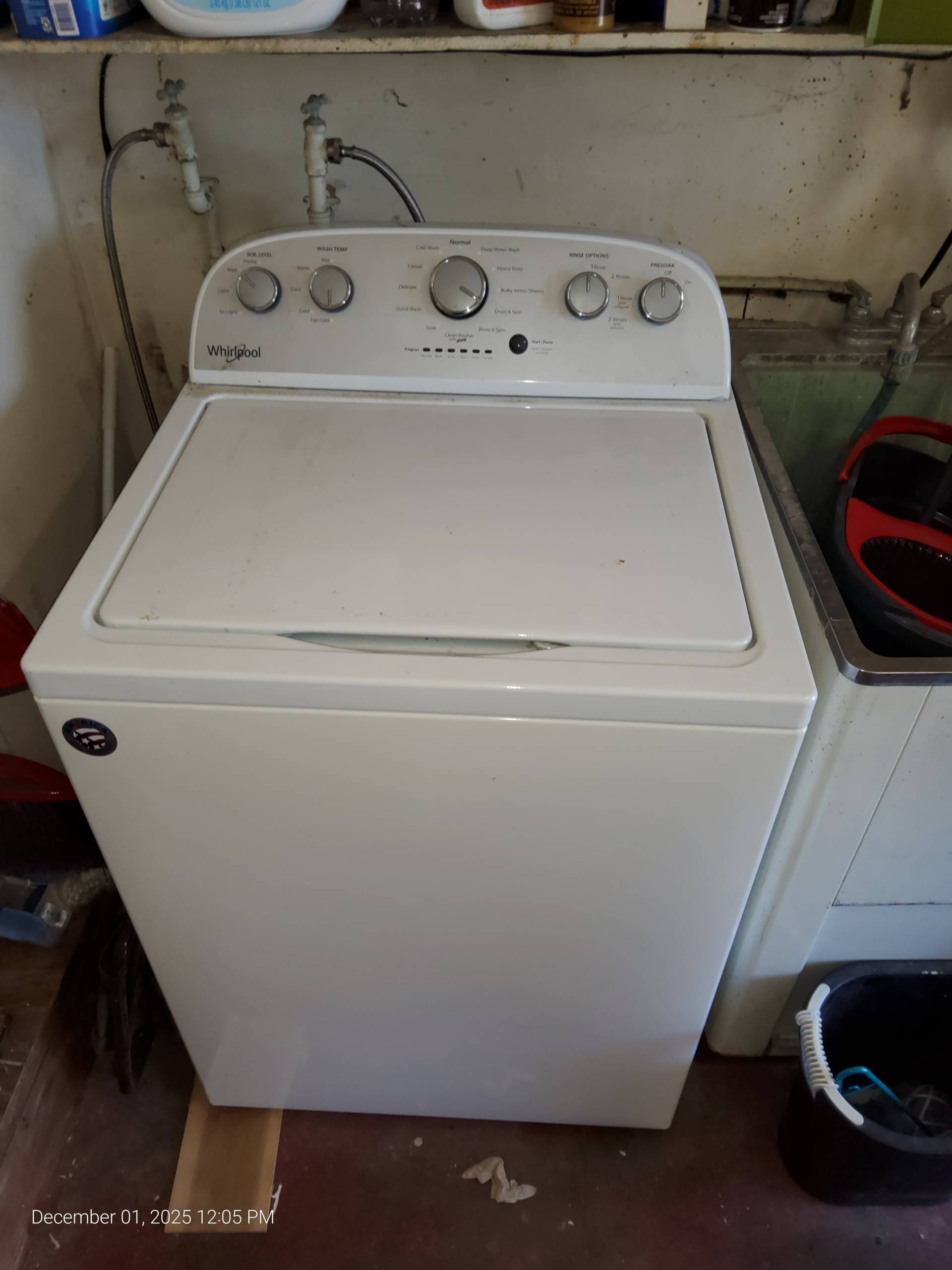
When freshly washed clothes come out clean but their colors begin fading in irregular patches, most people assume the detergent is too strong or the water temperature is too high. While these factors can contribute to color loss, they are not always the real cause. In many cases, uneven fading is the result of an agitation pattern fault inside the washing machine.
Modern washers are engineered to move laundry through carefully controlled motions that balance cleaning performance with fabric protection. When those movements become uneven, certain garments or sections of fabric experience excessive friction while others receive less agitation. The clothes may look perfectly clean, but repeated exposure to this imbalance gradually removes dye and accelerates fabric wear.
How Proper Agitation Protects Clothing
The purpose of agitation is to move clothing evenly through water and detergent so that dirt can be removed without placing unnecessary stress on the fabric. Depending on the washer’s design, this movement may involve:- Drum rotations in both directions
- Carefully timed pauses
- Variable motor speeds
- Controlled acceleration and deceleration
- Load-balancing adjustments throughout the cycle
What Happens When Agitation Becomes Uneven
An agitation pattern fault changes the way laundry moves inside the drum. Instead of circulating evenly, clothing may repeatedly gather in the same area, twist tightly together, or rub against the drum or against other garments more frequently than intended. Over dozens of wash cycles, these repeated friction points gradually strip dye from fabrics. Dark clothing often develops lighter streaks, bright colors become dull in isolated areas, and delicate fabrics begin showing signs of premature wear. Because the washer continues filling, rinsing, spinning, and draining normally, homeowners rarely suspect an internal mechanical issue.Worn Suspension Components
One of the most common causes of uneven drum movement is worn suspension hardware. Shock absorbers, suspension rods, springs, and dampers help stabilize the drum during washing. As these components wear, the drum may tilt slightly or move more aggressively than designed. Even small changes in drum position can alter the way clothing circulates, increasing localized friction throughout the wash cycle. Suspension wear often develops gradually, making the changes difficult to notice until clothing damage becomes consistent.Motor Control Problems
Modern washing machines rely on sophisticated motor control systems to regulate drum movement with remarkable precision. If the motor controller begins malfunctioning, drum rotations may become inconsistent. The washer may:- Rotate longer in one direction
- Change direction too abruptly
- Accelerate unevenly
- Pause at incorrect intervals
- Produce less balanced agitation patterns
Sensor and Software Issues
Today’s washers continuously monitor load balance, drum speed, and motor position using multiple sensors. If one of these sensors sends inaccurate information, the electronic control board may calculate incorrect agitation patterns. Software errors or communication faults can produce similar results. Because these issues rarely trigger immediate error codes, they often remain hidden until repeated washing begins affecting clothing quality. Professional diagnostic equipment is usually required to identify these electronic problems accurately.Overloading Can Make the Problem Worse
Even a properly functioning washer cannot agitate clothing effectively when overloaded. Packing too many garments into the drum limits their ability to circulate freely. Instead of moving independently through water and detergent, clothes rub tightly against one another, increasing friction and uneven dye loss. For best performance, the drum should be filled according to the manufacturer’s recommendations, leaving enough space for garments to move comfortably throughout the cycle.The Long-Term Effects on Fabrics
Uneven agitation affects much more than appearance. Repeated friction weakens textile fibers, causing fabrics to:- Lose color faster
- Develop thin or worn areas
- Pill more easily
- Stretch out of shape
- Tear sooner than expected
Additional Stress on the Washing Machine
An agitation fault also places extra strain on internal components. When the drum moves unevenly, increased vibration affects bearings, suspension parts, drive systems, and the motor. Components designed to operate under balanced loads must compensate for irregular movement during every wash cycle. Over time, this additional stress may contribute to:- Bearing wear
- Suspension failure
- Drive belt deterioration
- Motor overheating
- Increased vibration during spinning
What You Can Check Yourself
Before assuming the washer requires repair, consider a few basic maintenance steps:- Avoid overloading the drum.
- Separate heavy items from lightweight garments.
- Select the correct wash cycle for each fabric type.
- Use the recommended amount of high-efficiency detergent.
- Inspect the washer for excessive vibration during operation.