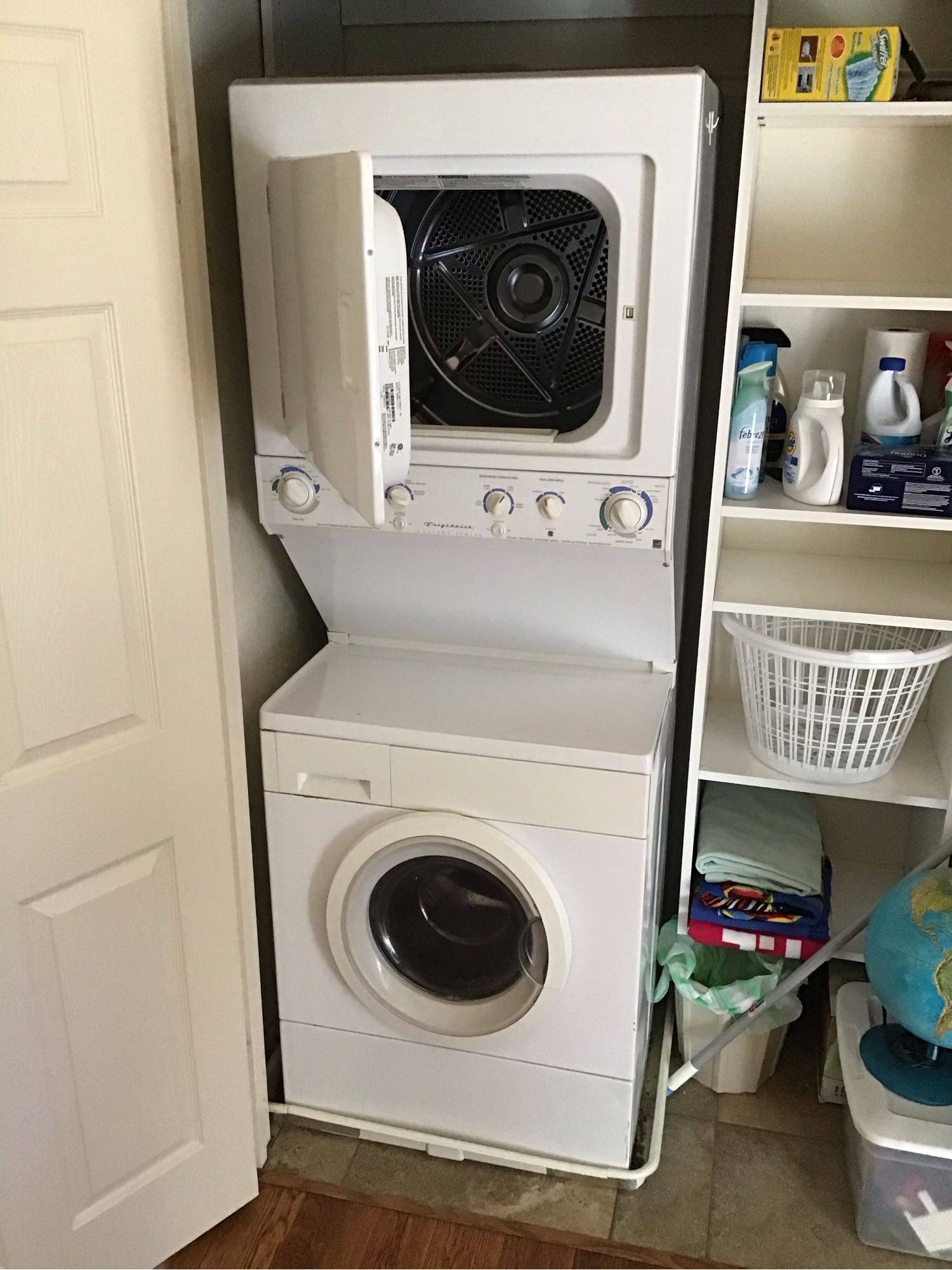
A Maytag dryer that continues running after the drying cycle should have ended can be frustrating and potentially unsafe. If the drum keeps turning even when the timer has reached the end of the cycle, the problem may involve the timer, electronic control board, or another component that controls the dryer’s operating sequence. A dryer is designed to stop automatically when the selected cycle is complete. When it continues running, repeatedly restarts, or ignores the selected settings, professional diagnosis can help identify the faulty component before the problem causes additional damage.

Why Won’t a Maytag Dryer Stop Running?

Several components work together to determine when the dryer should stop. Depending on the model, the dryer may use a mechanical timer, electronic control board, moisture sensors, temperature sensors, motor circuit, or door switch. When one of these components fails, the dryer may continue operating beyond the expected cycle. One of the most common possibilities is a defective timer. On models equipped with a mechanical timer, electrical contacts inside the timer open and close during the cycle. If those contacts become worn or stuck, the dryer may continue receiving power even after the timer should have advanced to the off position. Electronic models use a control board to manage cycle timing and communicate with other components. A malfunctioning control board may fail to recognize that the cycle has finished or may send an incorrect signal to keep the motor running.

Possible Timer Failure

The timer is responsible for controlling different stages of a drying cycle on many Maytag models. Over time, its internal contacts can wear out because they repeatedly handle electrical current. A faulty timer may cause several symptoms:
  • The dryer continues running after the cycle ends.
  • The timer knob does not advance properly.
  • Certain cycles fail to stop automatically.
  • The dryer behaves differently depending on the selected setting.
  • Turning the timer to the off position does not consistently stop the machine.
A technician can test the timer for proper electrical continuity and determine whether its contacts are functioning as intended. If the timer is defective, replacement is generally more reliable than attempting to repair its internal mechanism.

Electronic Control Board Problems

Modern Maytag dryers often rely on an electronic control board instead of a traditional mechanical timer. The board receives information from different sensors and switches and uses that information to control the motor, heating system, and cycle progression. A damaged control board can cause the dryer to continue running because the motor circuit may not receive the correct command to shut down. Control board problems can sometimes be associated with additional symptoms, such as unusual cycle behavior, unresponsive buttons, intermittent operation, error codes, or settings that do not work correctly. Diagnosing a control board requires more than simply replacing the part. Similar symptoms can be caused by a faulty sensor, wiring problem, stuck relay, or another electrical component. Testing the related circuits first can prevent unnecessary replacement costs.

Moisture Sensor Issues Can Affect Automatic Cycles

If the problem happens primarily during automatic or sensor-based cycles, moisture sensors should also be considered. These sensors detect moisture remaining in the clothing and help the dryer determine when the load is sufficiently dry. If the sensors are dirty, damaged, or receiving incorrect signals, the dryer may not transition through the cycle correctly. However, sensor problems do not automatically mean the control board has failed. A technician should inspect the sensor bars, wiring, connections, and control system before identifying the exact cause.

Could the Motor Be Responsible?

The drive motor is another component worth checking when a dryer refuses to stop. In some cases, a motor relay or electrical contact can remain energized even when the normal cycle should have ended. A motor that continues running can also indicate a problem elsewhere in the circuit rather than a mechanical motor failure. For this reason, replacing the motor without testing the control circuit may not solve the problem. The technician should examine the wiring, motor circuit, switches, timer or control board, and other relevant components according to the specific Maytag model.

What Should You Do If the Dryer Keeps Running?

If your Maytag dryer does not stop when expected, avoid repeatedly operating it while trying to determine the cause. Continuous operation can increase wear on the motor, drum components, heating system, and other parts. If the dryer continues running after the cycle has ended, turn it off using the controls. If it does not respond normally, disconnecting power may be appropriate while waiting for professional service, provided you can do so safely. Do not remove electrical components or test live circuits unless you have the necessary training and equipment. Dryers contain high-voltage electrical components, and gas models also contain gas-related components that require additional precautions.

Professional Maytag Dryer Repair in San Diego

A Maytag dryer that will not stop running should be diagnosed according to its exact model and symptoms. The cause may be a worn timer, defective electronic control board, failed relay, sensor problem, wiring issue, or another component in the control circuit. Professional troubleshooting can identify the source of the failure and determine whether a component needs repair or replacement. This approach also helps avoid replacing expensive parts that are still working properly. If your Maytag dryer keeps running after the cycle should have ended, contact San Diego Appliance Repair Center to schedule professional appliance service. A qualified technician can inspect the dryer, identify the cause of the problem, and recommend the appropriate repair. Call San Diego Appliance Repair Center today to schedule Maytag dryer repair and get your appliance operating safely and correctly again.