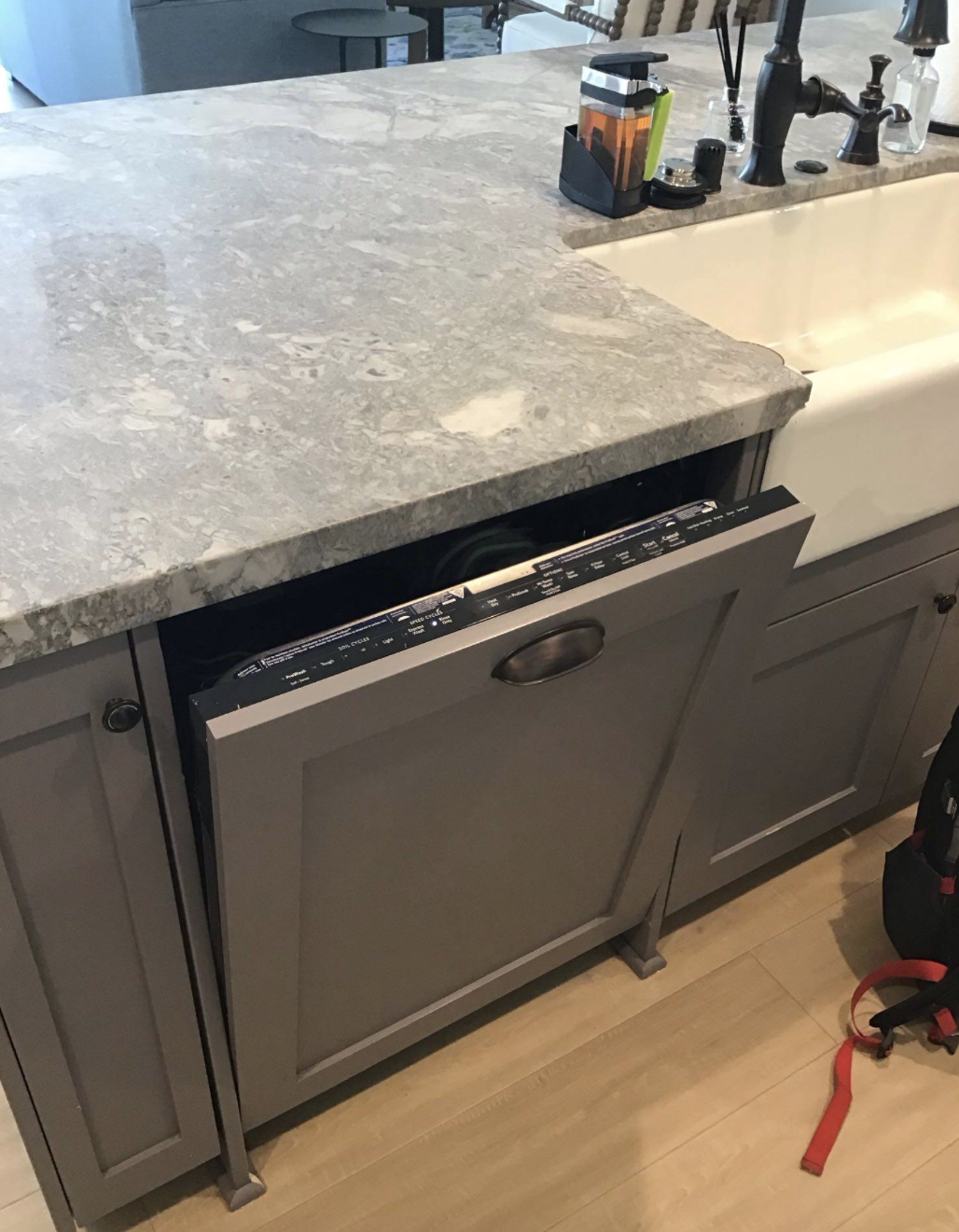
A Samsung dishwasher that finishes a cycle with standing water in the bottom is dealing with a drainage problem. In some cases, the cause is a clogged filter or blocked drain hose that can be resolved with basic cleaning. However, if the dishwasher still leaves water after the filter and hose have been checked, the drain pump, wiring, or control system may require professional diagnosis. Ignoring the problem can lead to unpleasant odors, dirty water remaining inside the tub, poor cleaning results, and eventually more serious component damage. Understanding the common causes can help you determine when a simple maintenance step is enough and when it is time to schedule appliance repair.

Clogged Dishwasher Filter

One of the first components to inspect is the dishwasher filter. Samsung dishwashers use a filter system to collect food particles and other debris before water reaches the drain system. When the filter becomes heavily covered with grease, food residue, or mineral deposits, water may drain slowly or remain inside the dishwasher. Remove and clean the filter according to the instructions for your specific Samsung model. Rinse away visible debris and check the surrounding filter area for food particles or foreign objects. A dirty filter can also contribute to unpleasant smells and reduced washing performance. If cleaning the filter restores normal drainage, regular maintenance can help prevent the problem from returning. However, if water continues to collect in the bottom of the tub, another part of the drainage system may be responsible.

Blocked Drain Hose

The drain hose carries wastewater from the dishwasher toward the sink drain or garbage disposal. A kinked, crushed, or clogged hose can prevent water from leaving the appliance. A blockage may develop when food debris, grease, or other residue accumulates inside the hose. If the dishwasher was recently installed or moved, the hose could also have become bent or positioned incorrectly. Inspect the visible section of the hose for sharp bends or obvious damage. If the hose appears clear and properly positioned but the dishwasher still does not drain, further testing may be necessary.

Drain Pump Failure

The drain pump is responsible for forcing wastewater out of the dishwasher. If the pump motor becomes damaged or stops operating, water may remain in the tub even when the filter and drain path are clean. A failing drain pump can produce several symptoms. You may hear an unusual humming or buzzing sound during the drain portion of the cycle. In other cases, the dishwasher may be completely quiet when it should be pumping water out. Debris can sometimes interfere with the pump impeller, while electrical or mechanical failure can prevent the pump from operating altogether. Determining whether the pump is receiving power and whether its motor and impeller are functioning properly usually requires diagnostic testing.

Foreign Objects in the Drain Area

Small objects can sometimes make their way into the dishwasher’s drainage system. Broken pieces of glass, food particles, labels, plastic fragments, and other debris may interfere with the pump or restrict the water passage. Before attempting to inspect internal components, disconnect the dishwasher from power. Be especially careful when checking for sharp objects such as broken glass. If an obstruction is located deeper inside the drainage system, removing it may require partial disassembly. This is a situation where professional service can help prevent accidental damage to the pump, seals, wiring, or other components.

Garbage Disposal Connection

If your Samsung dishwasher drains through a garbage disposal, a problem with the disposal connection can affect dishwasher drainage. A newly installed disposal may still have its dishwasher drain inlet knockout plug in place, preventing wastewater from entering the drain system. A clogged disposal connection can produce symptoms similar to a dishwasher pump failure. Water may remain in the dishwasher even though the appliance itself is functioning correctly. Because the dishwasher and disposal share part of the drainage path, both should be considered when troubleshooting persistent standing water.

Air Gap or Drain Connection Problems

Some installations use an air gap to prevent contaminated water from flowing back into the dishwasher. If the air gap becomes clogged, drainage can slow down or stop. The same applies to a sink drain connection that has become restricted by buildup. Checking the complete drainage route is important because the dishwasher may be working correctly while the obstruction is located farther downstream.

Control Board or Electrical Problems

When the drain pump itself is functional but does not receive the correct electrical signal, the dishwasher may still fail to drain. Wiring problems, damaged connectors, or a malfunctioning control board can interfere with pump operation. Electronic faults are more difficult to identify because the dishwasher may appear normal during most of the cycle. A technician can test the relevant components and determine whether the problem originates with the pump, wiring, or control system.

Why Professional Diagnosis Can Help

Standing water does not automatically mean the drain pump needs replacement. Replacing a working pump without identifying the actual cause can result in unnecessary expense while the original problem remains. A proper diagnosis should consider the filter, drain hose, pump, electrical connections, drain path, and control system. The technician can determine which component is preventing proper drainage and recommend the appropriate repair. It is also worth addressing drainage problems promptly. Repeatedly operating a dishwasher that cannot remove wastewater can contribute to odors, residue buildup, and poor washing performance. If water remains in the tub after several cycles or the dishwasher makes unusual sounds during draining, professional inspection is recommended. If your Samsung dishwasher won’t drain water, the problem may be a clogged filter, restricted hose, blocked drain connection, or failing drain pump. More complex cases can involve electrical or control board faults. For reliable diagnosis and repair, contact San Diego Appliance Repair Center. A qualified appliance technician can inspect the drainage system, identify the failed or blocked component, and restore your Samsung dishwasher to proper operation. Schedule appliance repair service before a drainage problem develops into a larger issue.