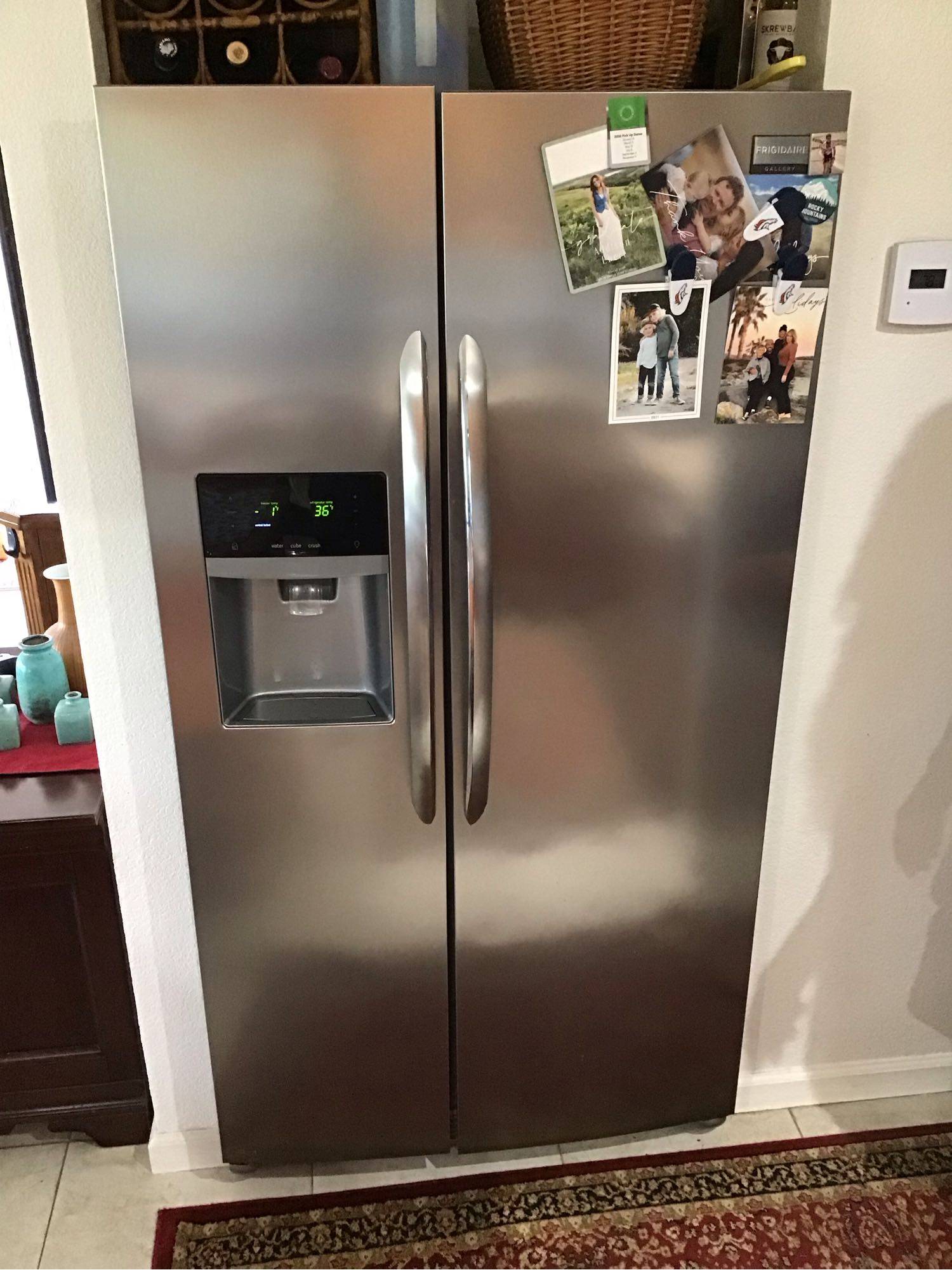
A Samsung refrigerator ice maker that repeatedly freezes up can become more than a minor inconvenience. When the fill tube is blocked by ice or the ice maker assembly stops operating correctly, the unit may produce little or no ice, leak water, or require frequent manual defrosting. If the problem keeps returning after the ice is removed, the refrigerator likely needs a proper diagnosis rather than another temporary thaw. One of the most common causes is a frozen water fill tube. This tube delivers water from the refrigerator’s water supply system into the ice maker. Under normal conditions, the water flows through the tube and enters the ice maker mold before freezing. If water remains inside the tube or the tube is exposed to freezing temperatures, an ice blockage can develop.
Some Samsung refrigerator models use a fill tube heater to prevent this from happening. The heater warms the tube enough to keep the water passage open during normal operation. If the heater fails, becomes disconnected, or does not receive the correct electrical supply, the tube can repeatedly freeze. You may notice that the ice maker works temporarily after the blockage is removed but freezes again within a short period. A frozen fill tube can also be related to a water inlet valve problem. If the valve does not close completely, a small amount of water may continue entering the system after the ice maker has completed its fill cycle. Even a slow leak can eventually freeze inside the tube. A technician should therefore check both the fill tube and the inlet valve rather than replacing components based only on the visible ice buildup.
Another possible cause is a malfunctioning ice maker assembly. The ice maker contains several mechanical and electrical components responsible for controlling the freezing and harvesting cycles. If the motor, thermostat, sensor, control module, or internal mechanism fails, the ice maker may stop cycling correctly. In some cases, it can remain in an incorrect position and interfere with the normal water fill process. The symptoms can vary depending on the failed component. You may find that the ice maker produces ice very slowly, stops producing ice completely, overfills, or develops recurring ice around the fill area. Some homeowners also notice unusual clicking or buzzing sounds when the ice maker attempts to operate.
Water pressure should also be considered during diagnosis. If the refrigerator receives insufficient water flow, the ice maker may not fill correctly. Low household water pressure, a partially blocked filter, a restricted water line, or a problem with the inlet valve can all affect the amount of water entering the ice maker. Replacing the ice maker assembly will not solve a supply problem if the actual cause is upstream. The refrigerator’s water filter can contribute as well. A severely clogged filter may restrict water flow and affect ice production. If the filter is overdue for replacement, installing the correct Samsung-compatible filter according to the manufacturer’s specifications may help. However, a filter will not correct a failed fill tube heater or defective ice maker assembly.
Temperature settings are another factor. If the freezer compartment is significantly colder than expected, water inside the fill tube may freeze more easily. A technician can check the actual temperature and determine whether the refrigerator is maintaining the appropriate operating conditions. Temperature problems can sometimes be connected to airflow restrictions, sensor issues, or other refrigeration system faults. It is also important to avoid repeatedly removing heavy ice buildup with sharp tools. The fill tube, water lines, wiring, and surrounding components can be damaged easily. Excessive force can turn a relatively simple repair into a larger and more expensive problem.
A proper diagnosis usually starts with inspecting the ice maker, fill tube, water inlet valve, filter, wiring connections, and operating temperatures. Electrical components such as the fill tube heater should be tested rather than replaced automatically. The technician can also verify whether the ice maker is receiving the required power and whether it completes its normal harvest and fill cycles. If the fill tube heater has failed, replacing the defective component may restore normal water flow and prevent recurring blockages. If the ice maker assembly itself is malfunctioning, replacement may be necessary. The correct repair depends on the refrigerator model and the specific component that has failed.
Recurring ice buildup should not be ignored. Water that freezes in the wrong location can eventually cause leaks, interfere with the ice maker mechanism, or create additional problems inside the freezer compartment. Repeatedly thawing the ice may restore operation for a short time, but it does not address the underlying fault. If your Samsung refrigerator ice maker keeps freezing up, professional service can help identify whether the problem is caused by the fill tube heater, inlet valve, water supply, temperature conditions, or ice maker assembly.
For reliable diagnosis and repair, contact San Diego Appliance Repair Center. Schedule a service visit to have your Samsung refrigerator inspected and the underlying ice maker problem properly repaired.