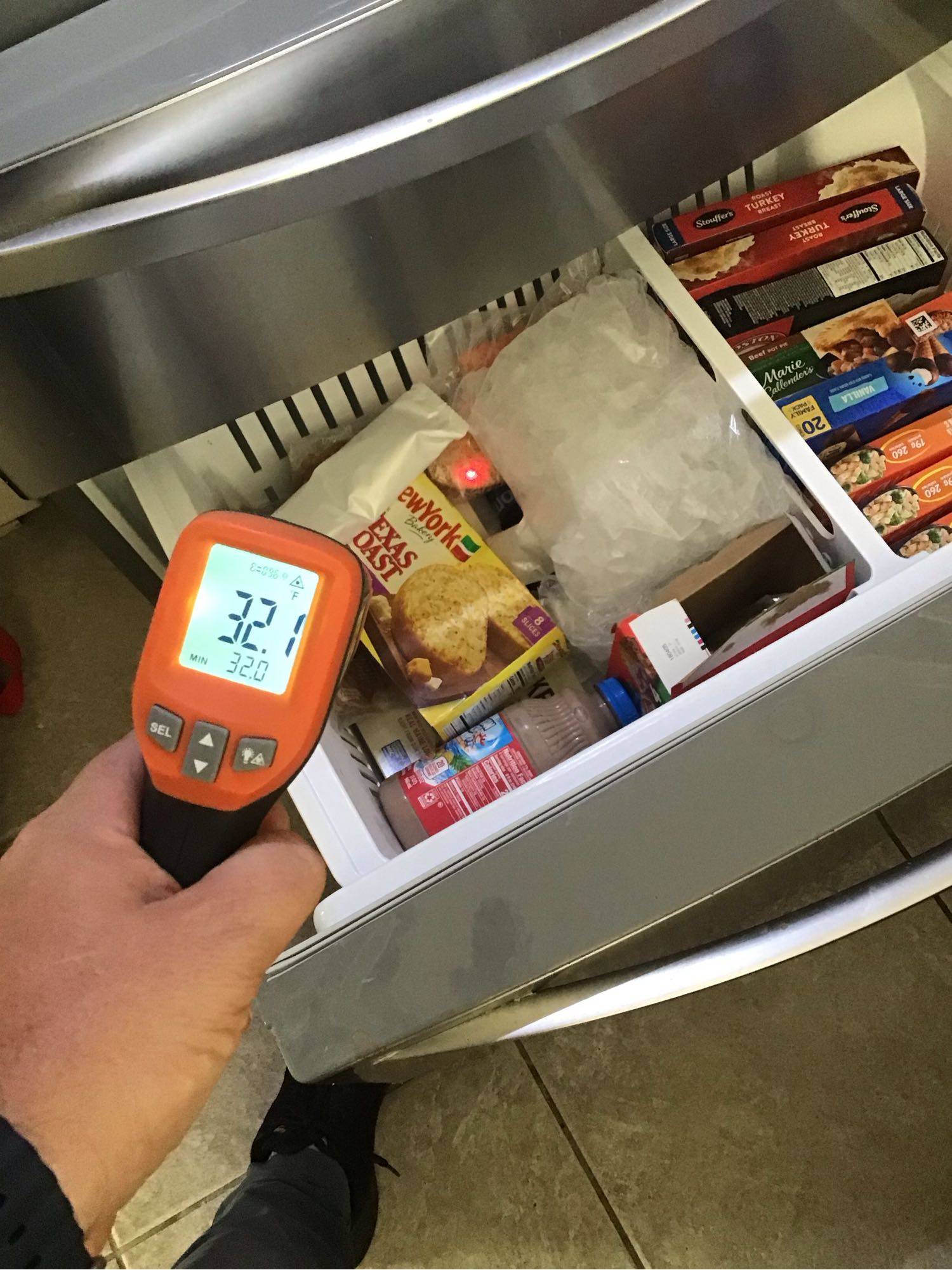
A Sub-Zero refrigerator is designed to maintain precise temperatures in both the freezer and fresh food sections. When the fresh food compartment starts feeling warmer than normal, food may spoil faster, condensation can appear, and the refrigerator may run more frequently. One common cause is a problem with the air damper or evaporator fan, both of which play an important role in distributing cold air. The fresh food section does not usually generate cold air independently. In many Sub-Zero models, cold air produced by the cooling system must be properly circulated into the refrigerator compartment. If that airflow is restricted, the freezer may remain cold while the fresh food section becomes noticeably warm.

How the Air Damper Can Cause a Warm Refrigerator

The air damper regulates the amount of cold air entering the fresh food compartment. It opens and closes according to temperature requirements, allowing the refrigerator to maintain a stable environment. If the damper becomes stuck closed, cold air cannot move into the refrigerator section efficiently. The freezer may still maintain its expected temperature because its cooling system is operating, but the fresh food compartment can gradually become too warm. A damaged damper motor can create a similar problem. The control system may send the correct signal, but the damper may fail to move into the required position. Ice buildup, mechanical damage, or an obstruction around the damper can also interfere with airflow. One possible warning sign is an uneven temperature inside the refrigerator. Areas close to the air outlet may remain relatively cold while shelves farther away become noticeably warmer.

Evaporator Fan Failure Can Reduce Cold Airflow

The evaporator fan is responsible for circulating cold air through the refrigerator. When this fan operates correctly, it moves air across the evaporator and distributes cooled air throughout the appropriate compartments. A failing fan may produce unusual noises, operate intermittently, or stop completely. If the fan motor fails, the evaporator can become cold while the refrigerator compartment receives insufficient airflow. In some cases, the fan may be blocked by ice. This can happen when a defrost problem allows frost to accumulate around the evaporator area. The motor may attempt to run but cannot move air effectively. A refrigerator with an evaporator fan problem may also show temperature differences between shelves. You may notice that some areas remain cold while others become significantly warmer.

Other Problems Should Also Be Considered

Although the air damper and evaporator fan are important possibilities, a warm fresh food section can have several causes. A technician may also inspect the temperature sensor, thermistor, evaporator coil, defrost system, control board, condenser system, and door gasket. A dirty condenser can reduce the refrigerator’s ability to release heat. A damaged door gasket can allow warm, humid air to enter continuously. A defective temperature sensor may send inaccurate information to the control system, causing the refrigerator to cool incorrectly. The control board can also contribute to cooling problems if it fails to properly manage the fan, damper, compressor, or other components. Because several failures can create similar symptoms, replacing parts based only on the refrigerator’s temperature is not always the best approach. Proper diagnosis helps identify the actual source of the problem.

What You Can Check Before Calling for Repair

Start by checking the temperature setting and making sure the refrigerator door closes completely. Avoid blocking air vents with containers or large packages, since restricted airflow can affect temperature distribution. Listen for unusual fan noises and check whether the refrigerator seems to be running continuously. Look for excessive frost or ice buildup inside the compartment, especially around vents. Do not attempt to disassemble the evaporator fan or damper assembly without the appropriate knowledge. Internal components can be difficult to access, and incorrect repairs can create additional damage. If the fresh food section remains too warm despite normal settings and unobstructed vents, professional diagnosis is recommended.

Why Professional Sub-Zero Repair Matters

Sub-Zero refrigerators use specialized cooling systems and components that require accurate testing. A technician can evaluate airflow, test the evaporator fan motor, inspect the air damper, check temperature sensors, and determine whether frost buildup or another system failure is affecting performance. Correct diagnosis is particularly important when the freezer appears to be working normally. A cold freezer does not necessarily mean the entire refrigeration system is functioning correctly. Air distribution problems can leave the fresh food section warm even when the freezer temperature seems acceptable. Ignoring the issue can put perishable food at risk and may allow a developing component failure to become more serious. If your Sub-Zero refrigerator’s fresh food section is too warm, the air damper or evaporator fan could be responsible. Contact the San Diego Appliance Repair Center to schedule professional refrigerator service. A qualified technician can identify the cause of the temperature problem and recommend the appropriate repair to restore reliable cooling.