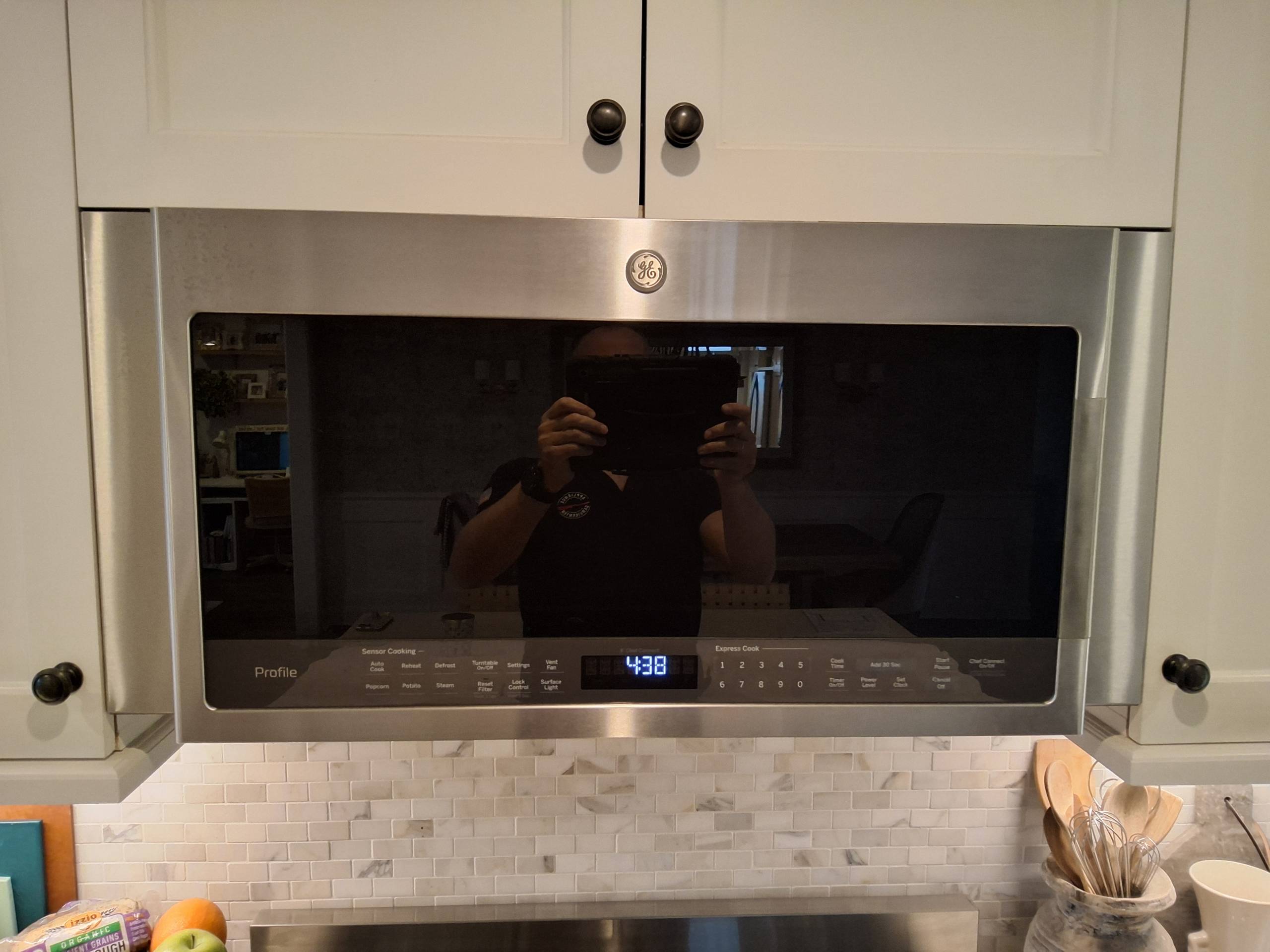
At first, the change is so subtle that most homeowners barely notice it. Your microwave still powers on instantly, the interior light comes on, the turntable rotates smoothly, and the familiar humming sound seems exactly the same as it has always been. Nothing appears out of the ordinary. Yet reheating a cup of coffee that once took one minute now requires nearly two. Leftovers need an extra minute or two before they’re hot enough to eat. Instead of questioning the appliance, many people simply press the “Add 30 Seconds” button again and assume the food was colder than usual.
Unfortunately, a microwave that gradually loses heating performance is often showing one of the earliest signs of internal wear. Unlike many household appliances that fail suddenly with loud noises, leaks, or complete shutdowns, microwave ovens frequently deteriorate slowly over months or even years while continuing to appear perfectly functional.
Why Does Heating Become Slower?
Microwave ovens generate heat using a component called the magnetron. This device converts electrical energy into microwave radiation that excites water molecules inside food, producing heat. Over time, however, the magnetron naturally experiences wear. As its efficiency decreases, it produces less microwave energy even though it continues operating. Because the magnetron still functions, the appliance doesn’t display obvious symptoms such as sparks, smoke, or error messages. Instead, the only noticeable difference is that food simply takes longer to reach the desired temperature. Several other components can contribute to this gradual decline as well, including:- Aging high-voltage capacitors
- A weakening high-voltage diode
- A partially failing transformer
- Loose electrical connections
- Worn door switch assemblies
- Reduced cooling efficiency caused by clogged air vents
Why the Appliance Still Sounds Normal
One of the most misleading aspects of microwave problems is that the operating sounds rarely change during the early stages of failure. The cooling fan continues running. The turntable motor rotates normally. The display and control panel respond correctly. The interior light illuminates as expected. To the user, everything seems perfectly normal except the cooking results. This often causes people to postpone servicing until the microwave eventually stops heating altogether.The Hidden Cost of Longer Heating Times
Many homeowners assume that taking an extra minute or two to warm food isn’t a serious concern. In reality, reduced heating efficiency creates several long-term problems. The microwave must operate longer for every cooking cycle, increasing stress on nearly every internal component. Extended operating times generate additional heat inside the appliance, forcing the cooling fan to work harder and exposing electronic components to higher temperatures. This additional workload accelerates wear on:- The magnetron
- High-voltage circuitry
- Cooling fan motor
- Internal wiring
- Electrical connectors
- Thermal protection devices
Uneven Heating Can Become a Safety Issue
A weakening microwave doesn’t simply cook more slowly—it may also heat food less evenly. Certain portions of a meal may become excessively hot while other areas remain cool. This inconsistency is particularly concerning when reheating meat, poultry, seafood, or baby food. Cold spots can allow harmful bacteria to survive, increasing the risk of foodborne illness. People often compensate by extending cooking time, but that can dry out food without guaranteeing even internal temperatures.Poor Ventilation Makes the Problem Worse
Microwaves rely on proper airflow to cool the magnetron and electronic components. If the ventilation openings become blocked by grease, dust, pet hair, or kitchen debris, internal temperatures rise. Excessive heat accelerates aging of sensitive electrical components and can permanently reduce magnetron efficiency. For built-in and over-the-range microwave models, improper installation or cabinets with inadequate airflow can also contribute to overheating. Regularly cleaning the exterior vents and ensuring proper clearance around the appliance helps maintain cooling performance.Electrical Problems May Reduce Power
Not every gradual slowdown originates inside the microwave itself. Low household voltage, damaged power cords, aging electrical outlets, or overloaded kitchen circuits may prevent the appliance from receiving adequate electrical power. When voltage drops below normal operating levels, the magnetron cannot produce its full heating output. The microwave still operates, but cooking times increase noticeably. A qualified technician can measure incoming voltage and determine whether the issue lies within the appliance or the home’s electrical system.Could the Door Be Causing the Problem?
Microwave doors contain multiple safety switches that verify the door is fully closed before allowing the magnetron to operate. If these switches become worn or slightly misaligned, they may create intermittent electrical resistance that affects microwave performance. Although less common than magnetron wear, faulty door switches can contribute to inconsistent heating and should be inspected during professional servicing.Signs the Microwave Needs Professional Inspection
Consider scheduling an inspection if you notice any of the following:- Food consistently takes longer to heat than it did several months ago.
- Liquids require repeated heating cycles.
- Frozen meals remain cold in the center.
- Cooking performance varies between uses.
- The microwave feels unusually hot after normal operation.
- Ventilation airflow seems weaker than before.
- Heating time continues increasing month after month.