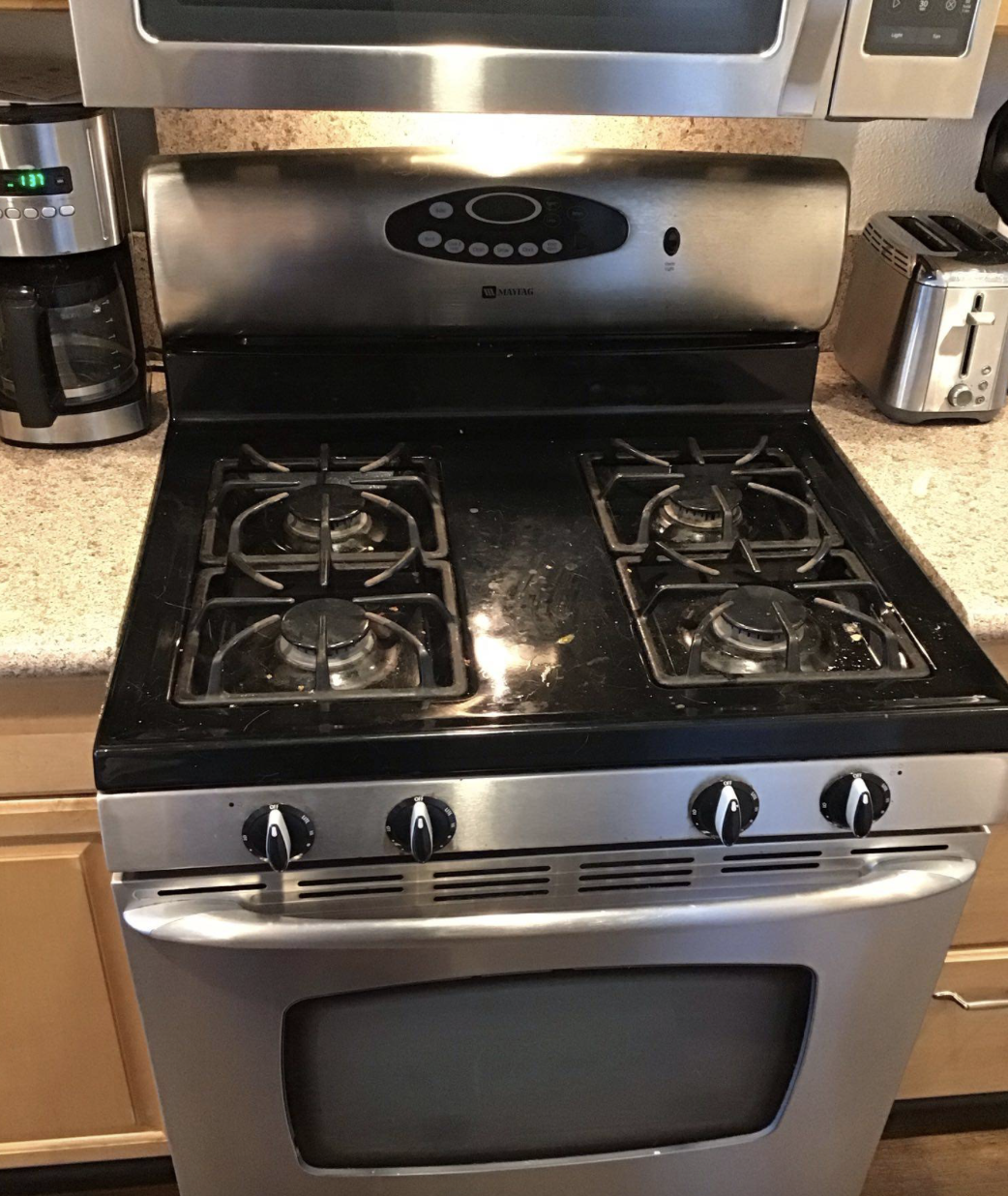
A Viking gas range is designed to deliver precise and consistent cooking performance. Whether you’re baking bread, roasting vegetables, or preparing delicate pastries, even heat distribution is essential for reliable results. When the oven starts baking unevenly, meals may come out overcooked on one side, undercooked in the center, or burnt on the bottom while remaining raw on top. These symptoms often indicate a problem with the bake burner, temperature sensor, or another key component of the heating system.
Understanding the possible causes of uneven baking can help you determine whether the issue requires a simple adjustment or professional repair.
Common Signs of Uneven Baking
Several symptoms suggest that your Viking gas oven is no longer maintaining consistent temperatures:- Food browns unevenly.
- Cakes rise on one side only.
- Cookies bake faster in one corner.
- The bottom of dishes burns while the top remains undercooked.
- Cooking times become much longer than expected.
- An oven thermometer shows temperatures different from the selected setting.
Faulty Bake Burner
The bake burner is responsible for producing the primary heat during baking. It should ignite quickly and distribute an even flame beneath the oven cavity. If the burner becomes partially clogged with grease, food debris, or corrosion, the flame may become uneven. Instead of producing consistent heat across the entire burner, some sections may burn weaker than others, creating hot and cold spots inside the oven. A damaged burner can also develop cracks or warped sections that interfere with proper flame distribution. Signs of a defective bake burner include:- Weak or inconsistent flames.
- Delayed ignition.
- Yellow flames instead of steady blue flames.
- Certain areas of the oven consistently cooking faster.
Temperature Sensor Failure
The temperature sensor continuously monitors the oven’s internal temperature and sends readings to the electronic control board. When this sensor begins to fail, it may provide inaccurate information. The control board then incorrectly adjusts the burner, causing the oven to cycle too frequently or not often enough. As a result, the actual temperature inside the oven may differ significantly from the selected setting. Symptoms of a failing temperature sensor include:- Temperature fluctuations throughout cooking.
- Food requiring much longer bake times.
- Overcooked or undercooked meals despite following recipes.
- Large differences between the displayed temperature and an oven thermometer.
Ignition Problems
Gas ovens rely on an igniter to light the bake burner. If the igniter weakens with age, it may still glow but fail to reach the temperature needed to fully open the gas valve. The burner may ignite slowly or produce inconsistent flames that affect heating performance. Common ignition symptoms include:- Clicking before ignition.
- Long delays before heating starts.
- Burner cycling irregularly.
- Weak heating during baking.
Gas Valve Issues
The oven safety valve regulates gas flow to the bake burner. If the valve begins sticking internally or fails to open completely, the burner receives insufficient gas. The flame becomes weaker, resulting in uneven temperatures throughout the oven. Gas valve failures are less common than burner or sensor problems but can produce nearly identical symptoms.Electronic Control Board Problems
Modern Viking gas ranges rely on electronic controls to regulate burner operation and maintain precise temperatures. A malfunctioning control board may:- Misread temperature sensor signals.
- Interrupt burner cycles.
- Shut the burner off too early.
- Cause inconsistent heating patterns.
Damaged Door Gasket
Even if the heating system is working properly, heat escaping through a worn door gasket can create uneven baking conditions. A damaged gasket allows hot air to leak from one side of the oven, forcing the burner to work harder while producing inconsistent temperatures. Inspect the gasket for:- Cracks.
- Tears.
- Flattened sections.
- Areas that no longer seal tightly.
Blocked Air Circulation
Proper airflow helps distribute heat evenly inside the oven. Large baking sheets, oversized roasting pans, or multiple dishes placed too closely together can restrict circulation and create uneven cooking. For best results:- Leave space around cookware.
- Avoid covering oven vents.
- Use the recommended rack positions.
- Rotate pans halfway through long baking cycles if recommended.
Can You Continue Using the Oven?
Although the oven may still heat, continuing to use it without repairing the underlying issue can create additional problems. An overworked igniter, burner, or control board may eventually fail completely, leading to more expensive repairs. Inaccurate temperatures can also waste energy and ruin food on a regular basis. Addressing the problem early usually reduces repair costs and helps preserve the appliance’s overall lifespan.Professional Diagnosis Is the Best Solution
Because uneven baking can result from several different components, accurate diagnosis requires specialized testing equipment. A trained technician can inspect:- Bake burner performance.
- Temperature sensor accuracy.
- Igniter operation.
- Gas valve function.
- Electronic control board.
- Wiring connections.
- Door seal condition.