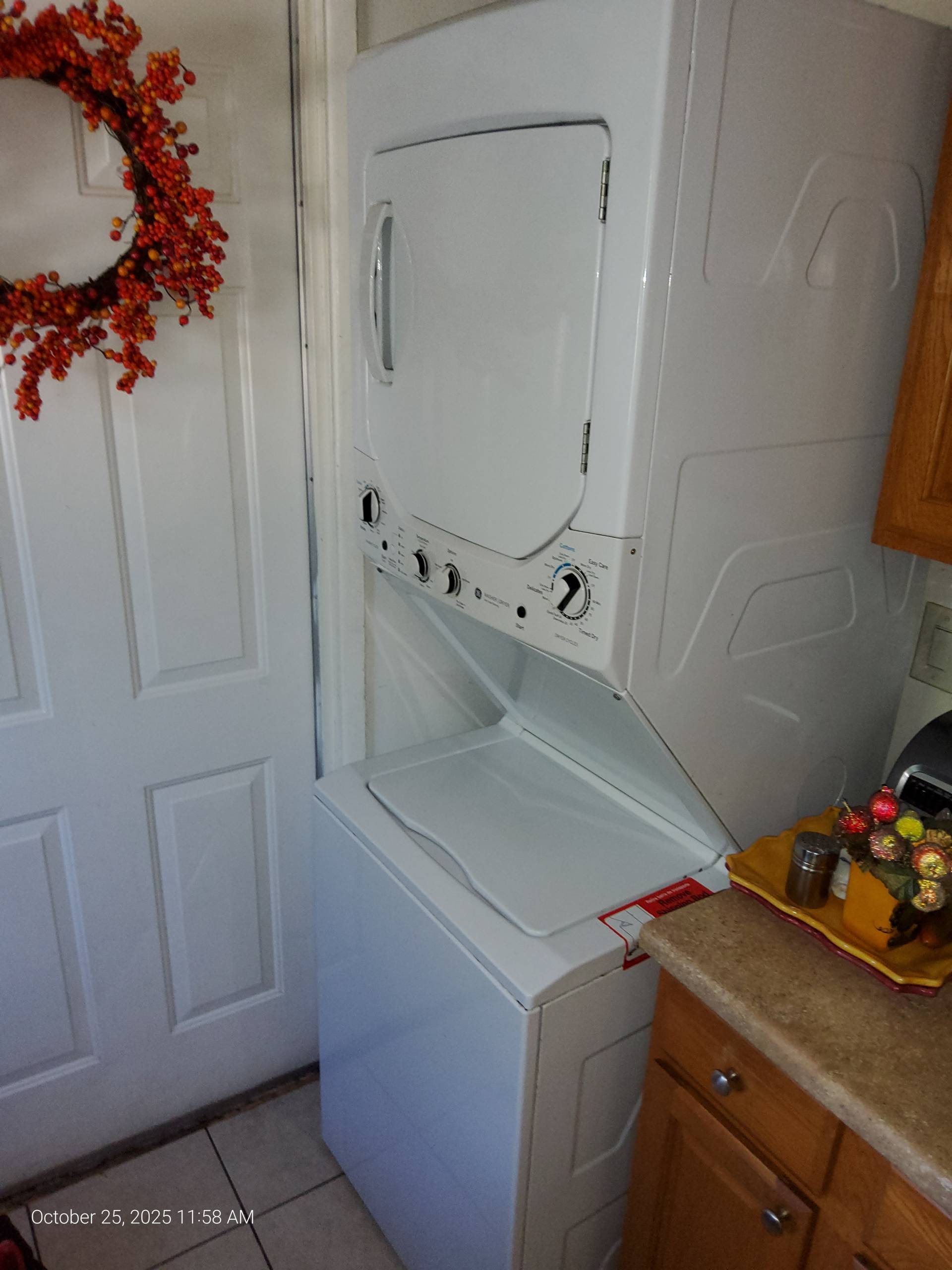
A washing machine can complete every cycle without errors and still fail to deliver truly clean results. Clothes come out looking fine, yet the freshness disappears quickly. Towels start developing a dull smell within hours, and fabrics feel slightly “off” even after a full wash.
This type of issue develops gradually. The machine does not signal it, and basic cycle performance remains unchanged. The root cause is usually a combination of internal buildup, reduced water flow efficiency, and moisture retention in areas that are not visible during normal use.
Why clean-looking laundry can still smell
Freshness depends on more than detergent and water temperature. It relies on complete removal of residues and fast drying of internal components after the cycle ends. When either of these processes is disrupted, odor compounds begin to form even in clean fabric. Inside the machine, every wash leaves behind small traces of detergent, fabric softener, body oils, and minerals from water. Under normal conditions, these residues are flushed out during drainage and rinse stages. Over time, however, they start to accumulate in hidden zones where water movement is weaker.Hidden buildup in internal pathways
The most common source of odor problems is buildup inside parts that are rarely inspected:- drainage hoses
- pump housing
- rubber door seals
- detergent drawer channels
- lower sump area
Partial drainage and slow water removal
A washing machine does not need a full blockage to develop problems. A partial restriction in the pump or hose can change how water exits the system. The cycle still completes, and no error codes appear, but drainage becomes less efficient. When water does not fully clear, it mixes with fresh rinse water during the next cycle. This recycled contamination is subtle but consistent, and it slowly transfers odor back into fabrics. Common contributing factors include lint accumulation, small foreign objects, and detergent clumps that narrow internal channels.Detergent and softener overuse
Another frequent cause is excessive chemical use. High concentrations of detergent or fabric softener do not necessarily improve cleaning performance. Instead, they increase the amount of residue left behind after rinsing. Liquid softeners are particularly prone to buildup. They can coat internal surfaces and reduce water flow efficiency over time. This coating traps dirt particles and slows down the natural flushing process during drainage. In machines used frequently at low temperatures, this effect becomes more noticeable because cooler water does not dissolve residues as effectively.Moisture retention inside the drum system
Even after a full cycle, some parts of the washing machine remain damp. If airflow inside the drum is limited, this moisture does not evaporate quickly. Over time, it creates a stable environment for bacteria and mold formation. The rubber door gasket is one of the most common areas where moisture stays trapped. Folds in the seal hold water after each wash, especially if the door is closed immediately after the cycle ends. Front-loading machines are more sensitive to this issue because of their horizontal drum design, which naturally retains more residual water than top-loading systems.Air circulation and ventilation limitations
Freshness is strongly influenced by how quickly the machine dries internally between cycles. Poor ventilation in the laundry area slows this process. If the washer is installed in a closed cabinet or small room with limited airflow, humidity levels remain elevated after each wash. This delays evaporation inside the drum and surrounding components. Over time, the combination of moisture and residue creates a persistent odor cycle: the machine retains dampness, bacteria grow, and each wash spreads trace amounts back into clean laundry.Subtle changes in pump and circulation performance
The circulation system is responsible for moving water efficiently through the drum, detergent pathways, and drainage system. Even minor wear in the pump or partial obstruction in circulation channels can reduce overall efficiency without triggering faults. When circulation weakens, detergent may not fully rinse out of fabrics. Clothes then feel clean but lose freshness faster due to residual compounds remaining in the fibers. This effect is often more noticeable with towels and heavy fabrics, which retain more water during the spin cycle.Why the machine shows no error codes
Modern washing machines are designed to detect major malfunctions such as pump failure, motor issues, or full drainage blockages. They are not designed to monitor gradual efficiency loss or microbial buildup. As long as water enters, spins, and drains within acceptable thresholds, the system considers the cycle successful. This allows small internal issues to develop unnoticed over long periods.Early signs that often go ignored
Before the smell becomes obvious, there are subtle indicators:- laundry feels slightly damp longer after washing
- detergent scent disappears quickly
- rubber seal feels slimy or sticky
- small odor appears when the drum is closed
- towels lose absorbency faster than usual