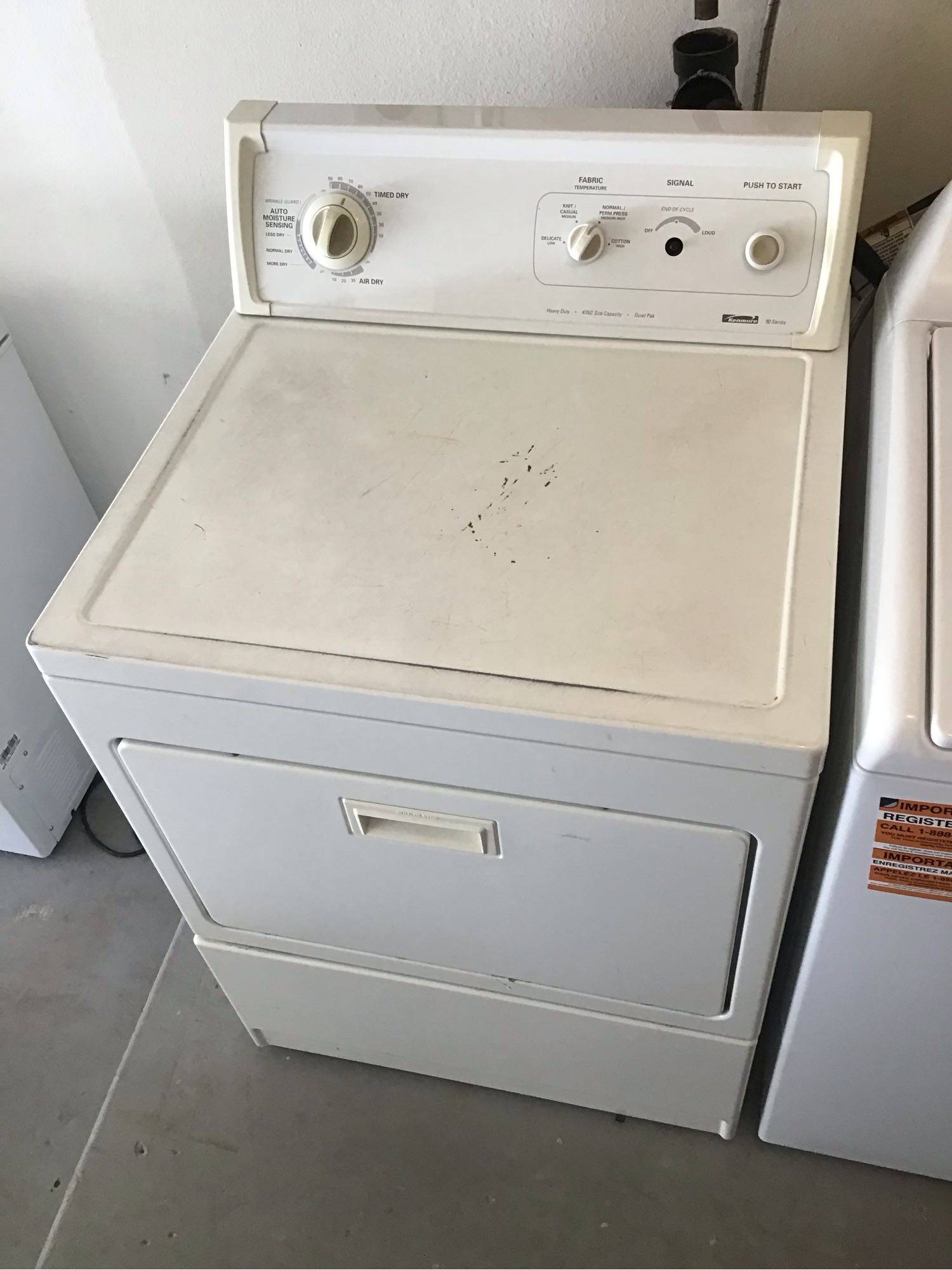
A Whirlpool washing machine should operate with a consistent level of sound, even during the high-speed spin cycle. While some vibration and motor noise are normal, a loud grinding sound is not. If you hear metal-on-metal scraping, rumbling, or harsh grinding as the drum spins, the washer likely has a mechanical problem that requires attention.
Ignoring unusual noises can allow internal components to wear further, increasing the cost of repairs. Among the most common causes are worn drum bearings and drive system failures, although several other components may also contribute to the problem.
Why Grinding Noises Occur During the Spin Cycle
The spin cycle places the greatest amount of stress on a washing machine. As the drum rotates at high speed, bearings, pulleys, belts, and the drive motor must work together smoothly. If one of these components wears out or becomes damaged, friction increases and produces a loud grinding or rumbling sound. The noise may begin gradually and become louder over time, or it may appear suddenly after a component fails.Worn Drum Bearings
Drum bearings support the inner drum and allow it to rotate smoothly. After years of use, moisture can penetrate the bearing seal, causing corrosion and wear. Common signs of worn bearings include:- Loud grinding or rumbling during the spin cycle.
- Increased vibration.
- The drum feels loose when moved by hand.
- Water leaking near the rear of the washer.
- Noise that becomes louder over time.
Drive System Problems
The drive system transfers power from the motor to the drum. Depending on the Whirlpool model, it may include a drive belt, pulley, clutch, drive hub, transmission, or direct-drive components. When one of these parts becomes worn or damaged, the drum may not rotate smoothly. Symptoms of drive system problems include:- Grinding or scraping noises.
- Poor spin performance.
- Drum stopping unexpectedly.
- Burning odor from excessive friction.
- Clothes remaining wet after the cycle.
Other Possible Causes
Although bearings and the drive system are common sources of grinding noises, other problems may produce similar sounds. These include:- Loose drive pulley
- Worn belt
- Damaged motor coupling
- Failing transmission
- Foreign objects trapped between the tubs
- Broken suspension components
- Loose drum hardware
- Motor problems
Check for Foreign Objects
Sometimes the grinding noise is caused by coins, bra wires, buttons, or other small objects that have slipped between the inner and outer tubs. These items may scrape against the spinning drum, producing sounds that resemble mechanical failure. Removing the object early can prevent damage to the drum and tub.Avoid Continuing to Use the Washer
A washer that produces loud grinding noises should not be used repeatedly until the problem has been identified. Operating the machine with worn bearings or damaged drive components can increase wear, damage the drum shaft, overload the motor, or lead to more expensive repairs. Stopping use at the first sign of abnormal noise often helps limit further damage.Why Professional Diagnosis Is Important
Many internal washer components are hidden behind the cabinet and cannot be inspected without proper disassembly. Professional technicians use specialized tools to evaluate:- Drum bearing condition
- Drive belt wear
- Pulley alignment
- Motor operation
- Transmission performance
- Suspension system
- Drum movement
- Internal mechanical wear
Preventing Future Bearing and Drive Problems
While some wear is unavoidable, regular maintenance can help extend the life of your Whirlpool washing machine. Helpful maintenance practices include:- Avoid overloading the washer.
- Distribute laundry evenly inside the drum.
- Check pockets before washing clothes.
- Address unusual noises immediately.
- Use the recommended detergent.
- Inspect the washer for leaks.
- Schedule maintenance if vibration increases.