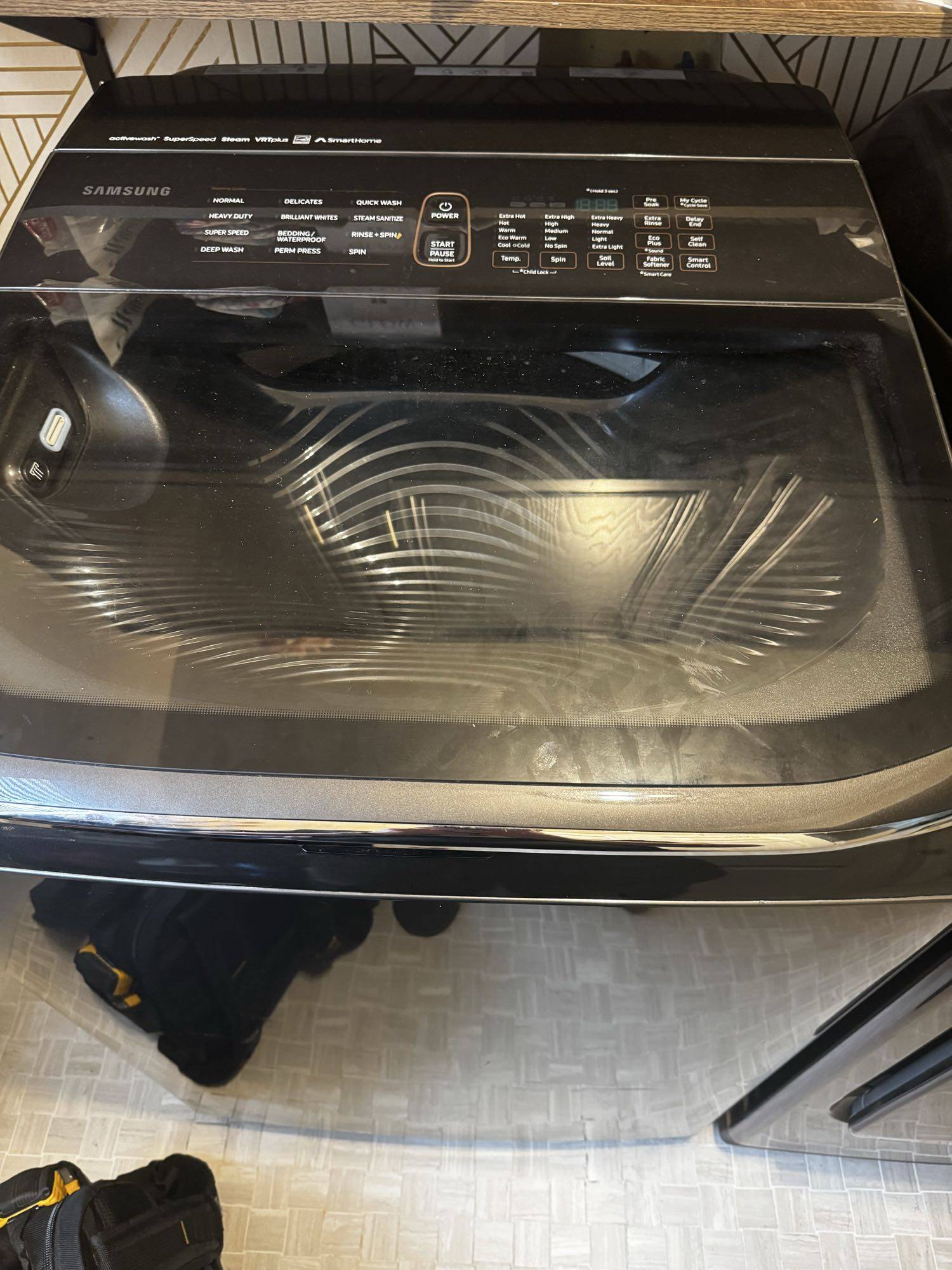
A Maytag washing machine that suddenly starts making a squealing noise should not be ignored. A brief sound during startup may have a simple cause, but persistent squealing during washing or spinning can indicate a mechanical problem that may become more expensive if the machine continues operating. Two common possibilities are a worn or damaged drive belt and a failing tub bearing. Both components are involved in the washer’s mechanical operation, but the symptoms can be different. Identifying when the noise occurs can help narrow down the source.

When Does the Squealing Noise Occur?

Pay attention to the exact moment the sound appears. Does the washer squeal when the cycle starts? Does the noise become louder as the drum spins faster? Does it happen only during the spin cycle? These details can help a technician determine which components require inspection. If the squealing happens mainly when the washer accelerates into a spin, the drive system may be under stress. If the sound continues throughout the cycle or is accompanied by grinding, rumbling, or excessive vibration, the tub bearing may need closer inspection.

Possible Cause: Worn Drive Belt

The drive belt transfers power from the motor to the washer’s drive system. Over time, rubber can become worn, stretched, cracked, or glazed. A belt that no longer maintains proper tension can slip against the pulley and create a high-pitched squealing sound. A damaged belt may also produce a burning-rubber smell or cause the drum to have difficulty reaching the expected spin speed. In some cases, the washer may still complete a cycle, which can make the problem easy to overlook. If the belt is worn, replacing it may resolve the noise. However, a technician should also inspect the pulleys and other related components. A new belt can wear prematurely if another mechanical issue is causing excessive resistance.

Possible Cause: Tub Bearing Problems

The tub bearing allows the inner drum to rotate smoothly. As the bearing wears, friction increases and the washer may begin producing unusual sounds. A failing bearing can cause squealing, humming, grinding, or rumbling noises, particularly during the spin cycle. The sound may become more noticeable as the drum accelerates. Another warning sign is excessive movement of the drum. If the inner basket feels unusually loose when moved by hand, the bearing or related suspension components may require inspection. Bearing problems can be more involved than a simple belt replacement. Depending on the Maytag model and the construction of the washer, accessing the bearing can require significant disassembly.

Other Components Can Also Cause Squealing

The drive belt and tub bearing are important possibilities, but they are not the only potential sources of noise. A technician may also inspect the motor pulley, idler pulley, drive motor, clutch, suspension components, and other parts connected to the washer’s drive system. Foreign objects can sometimes become trapped in or around moving components and create unusual sounds as well. This is why replacing a part based only on the sound can be unreliable. Several mechanical problems can produce similar noises, while the correct repair depends on the specific washer model and the condition of its components.

Why You Should Not Ignore the Noise

A washer can continue operating for some time after a squealing noise first appears. That does not necessarily mean the problem is minor. A slipping belt can eventually break, leaving the washer unable to operate the drum correctly. A deteriorating bearing can create increasing friction and place additional stress on other components. Continuing to run the machine while a mechanical part is failing can turn a relatively contained repair into a more extensive one. If the noise becomes louder, the washer begins vibrating excessively, the drum struggles to spin, or you notice burning smells or water around the machine, stop using the washer until it has been inspected.

What a Professional Inspection Involves

A professional appliance technician can determine where the sound is coming from and inspect the mechanical components involved in the drum’s movement. The inspection may include checking the drive belt for cracks and wear, examining pulleys, testing the motor and drive system, and checking the drum for excessive play or resistance. The technician can then explain which component has failed and what repair is appropriate for the specific Maytag washer. Avoid attempting to access internal components while the appliance is connected to power. Washing machines contain moving and electrical components that can present safety risks during an inspection.

When to Call for Maytag Washer Repair

If your Maytag washing machine has started squealing, especially if the noise is getting louder or appears during the spin cycle, professional diagnosis can help prevent further damage. For washer inspection and repair, contact San Diego Appliance Repair Center to schedule service. A technician can evaluate the noise, identify the faulty component, and recommend the appropriate repair for your Maytag washing machine.