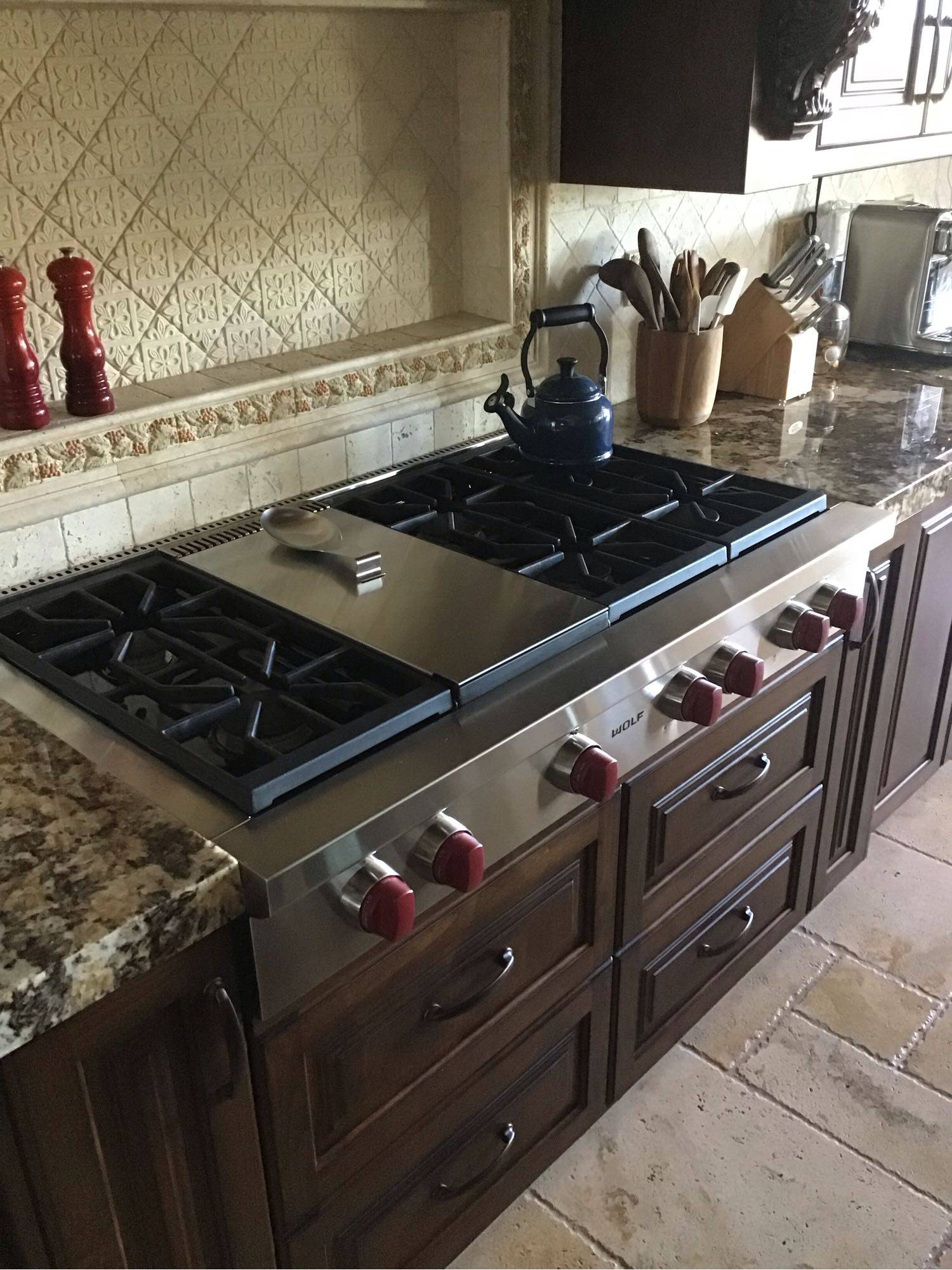
A Viking gas range is designed to provide precise control over cooking temperatures, but a surface burner that refuses to turn off requires immediate attention. If the flame continues burning after you turn the control knob to the OFF position, the problem may involve the gas valve, control knob, valve stem, or another component in the burner control system. Because the appliance uses gas, this issue should not be ignored. A burner that stays on can create a fire hazard, increase gas consumption, and make the range unsafe to use until the cause has been identified and repaired.

What to Do When the Burner Will Not Turn Off

If the burner remains lit after you move the knob to OFF, first make sure the knob is actually aligned with the OFF position. Sometimes a knob can become loose or shift on the valve stem, creating the impression that the control has been turned completely off. If the flame continues burning, avoid repeatedly forcing or twisting the knob. A damaged knob or valve stem can become more difficult to operate and may cause additional damage. If you cannot safely shut off the burner using the normal control, stop using the range and arrange for professional appliance service. Do not attempt to disassemble the gas valve or repair the gas connection yourself.

A Faulty Gas Valve Can Keep the Burner Running

One of the most likely causes of a surface burner that will not turn off is a defective gas valve. Each burner typically has a valve that regulates the flow of gas from the supply line to the burner. Turning the control knob changes the valve position and controls how much gas reaches the burner. Over time, the internal components of a valve can wear, become damaged, or develop mechanical problems. If the valve does not close properly, gas may continue flowing even when the control is set to OFF. A faulty valve may also produce other symptoms. The burner could have difficulty adjusting between high and low settings, the flame may respond poorly to knob movements, or the knob may feel unusually loose or difficult to turn. When a gas valve is suspected, professional diagnosis is recommended. Replacing or servicing a gas valve involves working directly with the range’s gas system and should be handled by a qualified appliance technician.

The Control Knob May Be Damaged

The knob itself can also cause problems. A cracked knob, worn interior fitting, or damaged connection between the knob and valve stem may prevent the valve from reaching the correct position. In some cases, the knob turns but does not properly move the valve underneath it. This can happen after repeated use or if the knob has been damaged during cleaning or accidental impact. Replacing the knob may solve the problem if the valve itself is functioning correctly. However, replacing the knob without checking the valve can leave the underlying issue unresolved. A technician can inspect the knob and valve stem to determine whether the problem is limited to the external control or extends into the gas valve assembly.

Food Debris and Cleaning Products Can Affect Controls

Gas range controls are exposed to grease, food particles, moisture, and cleaning products. Heavy buildup around the control area can sometimes interfere with normal operation. Liquid that enters around the knob or control area can also cause mechanical or electrical issues, depending on the design of the range. This is one reason it is important to avoid excessive moisture when cleaning the control panel. If the knob feels sticky, unusually tight, or inconsistent, the control should be inspected rather than repeatedly forced.

Why You Should Not Ignore a Burner That Stays On

A burner that cannot be turned off presents a safety concern because the gas supply is not being controlled as intended. Even if the flame appears normal, continued operation indicates that an important part of the range is not functioning correctly. Leaving the burner running while unattended increases the risk of overheating nearby cookware or materials. It can also lead to unnecessary gas consumption and create additional problems if the burner is operated for an extended period. If you notice a strong gas odor, leave the area and follow your local gas utility’s emergency instructions. Do not operate electrical switches or create an ignition source near a suspected gas leak.

Professional Viking Range Repair

Diagnosing a Viking gas range requires more than checking whether the burner lights. A technician may inspect the control knob, valve stem, gas valve, burner assembly, and related components to determine why the gas flow is not stopping correctly. The technician can also check whether the valve responds properly to the control and whether another mechanical problem is preventing the burner from shutting down. Professional diagnosis helps identify the actual failed component instead of replacing parts unnecessarily. Once the cause is confirmed, the defective component can be repaired or replaced as appropriate. A Viking range is a valuable appliance, and problems with its gas controls should be handled carefully. If a surface burner remains on after the control is turned to OFF, stop using the affected burner and arrange for service. For professional assistance with a Viking gas range, contact San Diego Appliance Repair Center to schedule appliance repair service.