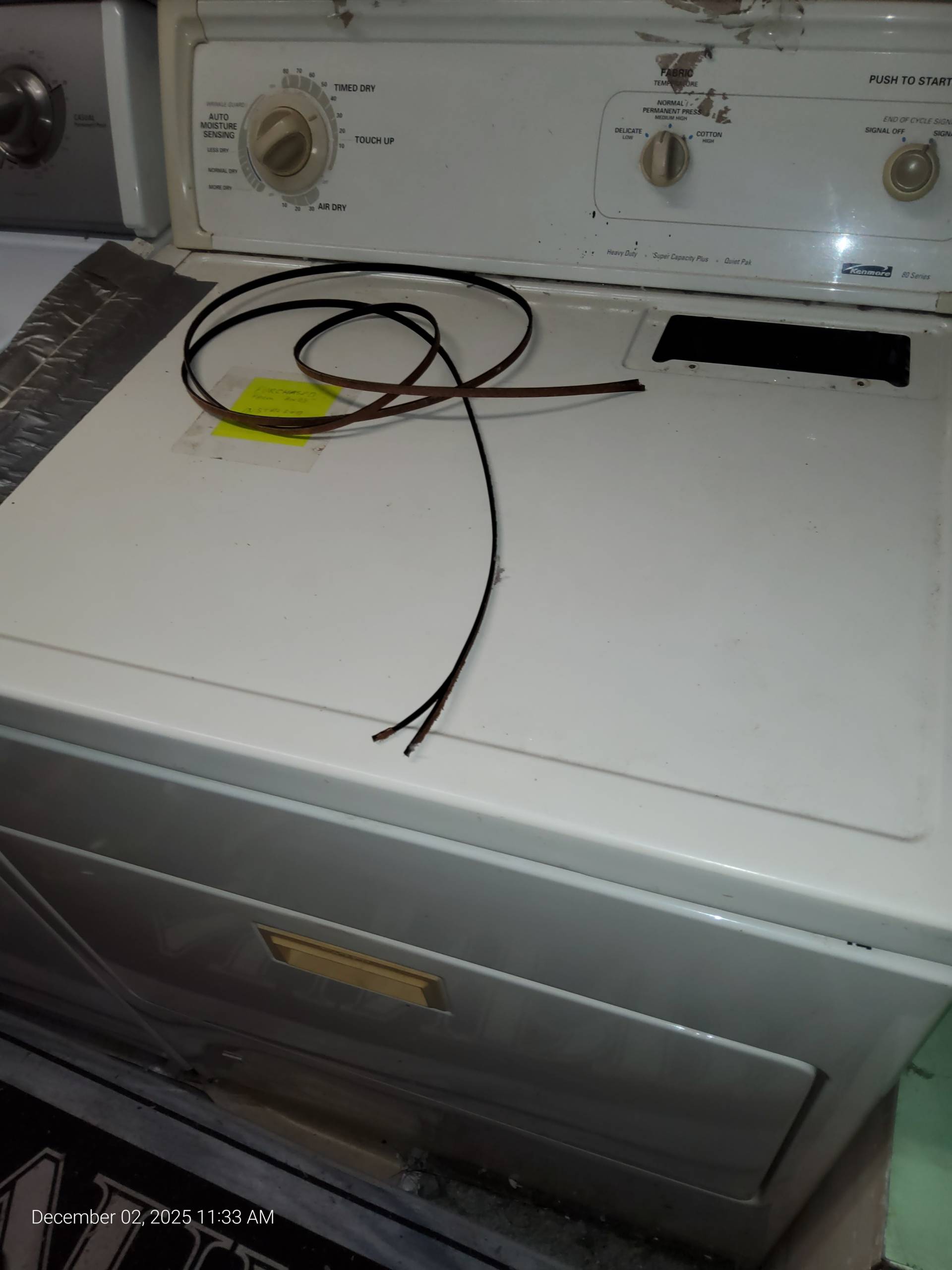
A washing machine that completes every cycle without unusual noises, leaks, or error codes appears to be operating perfectly. However, not every problem announces itself with obvious symptoms. One of the most overlooked issues is the gradual buildup of internal moisture that remains trapped inside the appliance after each wash. While invisible from the outside, this lingering humidity can slowly damage critical components and significantly shorten the lifespan of the machine.
Unlike standing water that collects in the drum or detergent drawer, internal moisture often settles inside the cabinet, around electrical connections, bearings, support brackets, and other metal parts. Because these areas receive very little airflow, the moisture may remain for hours—or even days—after every cycle. Over months and years, repeated exposure creates ideal conditions for corrosion.
Why Moisture Remains Inside the Washer
Every wash cycle generates warm water and steam. Although much of this moisture exits through the drain or evaporates after the door is opened, some water vapor naturally migrates into the interior of the cabinet. Several factors increase the amount of trapped humidity, including:- Frequent back-to-back wash cycles
- High-temperature wash programs
- Poor room ventilation
- Closed washer doors immediately after use
- Worn door seals or cabinet gaskets
- Restricted internal airflow
How Corrosion Begins
Corrosion rarely develops overnight. Instead, it forms gradually as moisture repeatedly condenses on metal surfaces. Initially, the effects are almost impossible to notice. Tiny amounts of oxidation begin forming on exposed steel brackets, bearing housings, fasteners, wiring terminals, and electrical connectors. Each wash cycle introduces additional humidity, allowing corrosion to spread little by little. As oxidation progresses, components lose their structural strength and electrical conductivity. Since these changes occur inside the cabinet, they often remain hidden until performance problems begin to appear.Electrical Components Are Especially Vulnerable
Many of the washer’s most important systems rely on clean, stable electrical connections. When corrosion develops on connectors or terminals, resistance increases. Even a small amount of oxidation can interrupt communication between sensors, the control board, motor, drain pump, and other components. This may lead to intermittent problems such as:- Unexpected cycle interruptions
- Random error codes
- Incorrect water level readings
- Failure to reach full spin speed
- Inconsistent drainage
- Delayed cycle completion
Bearings Can Wear Faster
Bearings are designed to operate with minimal friction while supporting the rotating drum. Although protected by seals, prolonged exposure to moisture eventually affects the surrounding components. If seals begin to deteriorate, humidity and water may reach the bearing assembly. Lubrication breaks down, corrosion forms on bearing surfaces, and friction gradually increases. Early bearing wear usually produces no noticeable sound. Only after significant damage develops do homeowners begin hearing grinding, rumbling, or roaring noises during the spin cycle. At that stage, repairs are typically more extensive and expensive.Metal Supports and Suspension Components
Internal corrosion also affects structural components that support the drum. Rust can weaken:- Suspension brackets
- Counterweight mounts
- Drum support arms
- Fasteners and mounting hardware
- Frame reinforcements
Moisture Encourages Mold and Odors
Persistent humidity creates another problem: biological growth. Dark, enclosed spaces inside the washer provide ideal conditions for mold and mildew. These organisms often develop behind the door gasket, inside hoses, beneath the detergent dispenser, and around hidden plastic components. Even if clothing smells clean immediately after washing, lingering mold inside the machine can gradually transfer unpleasant odors back to fabrics. Routine cleaning helps reduce buildup, but excessive internal moisture may require professional inspection to identify the source.Warning Signs That Internal Moisture May Be Causing Damage
Hidden corrosion often develops long before obvious failures occur. Some early warning signs include:- Laundry takes longer to spin dry.
- Cycles occasionally stop before completion.
- Random error codes appear and disappear.
- The washer vibrates more than it used to.
- A musty odor persists even after cleaning.
- Small rust stains appear near internal openings or hardware.
- Drying times continue increasing despite normal washer settings.
Steps to Reduce Moisture Buildup
While internal condensation cannot be eliminated completely, homeowners can reduce the amount of trapped humidity by following a few simple practices:- Leave the washer door slightly open after each load.
- Pull out the detergent drawer so it can dry.
- Wipe excess water from the door gasket.
- Run periodic cleaning cycles using a washer cleaner.
- Improve ventilation in the laundry room.
- Avoid leaving wet laundry inside the drum for extended periods.
- Schedule preventive maintenance every few years, especially for heavily used machines.