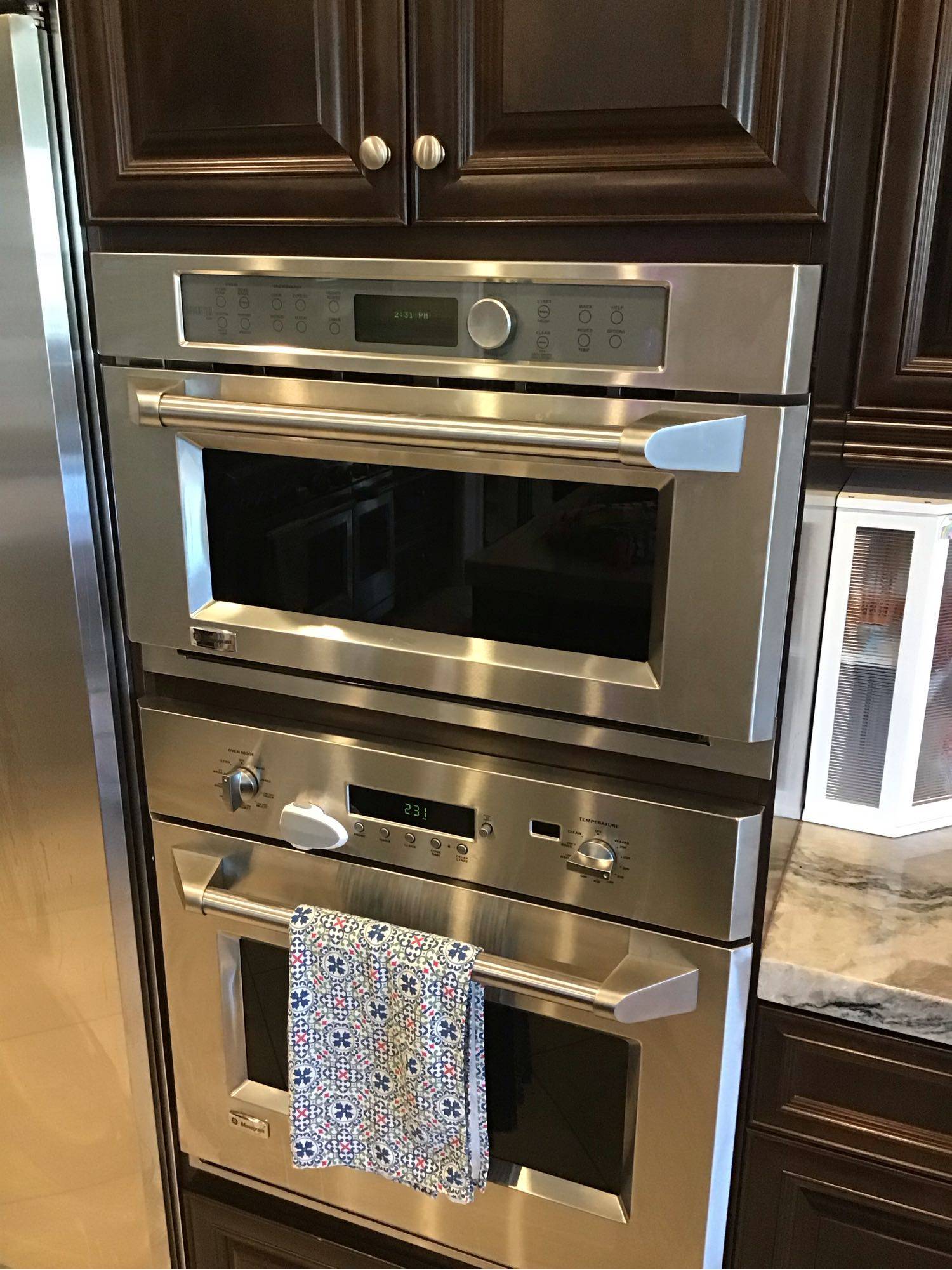
An oven door that no longer closes with a firm seal changes how the appliance performs, even if everything else seems normal. Heat escapes through small gaps, baking becomes uneven, and the oven compensates by running longer cycles. Over time, this issue affects both cooking results and energy use.
Two of the most common reasons are worn door gaskets and misaligned hinges. Both problems develop gradually, which is why users often notice them only after food starts baking unevenly or the kitchen feels warmer than usual during operation.
How the sealing system works
The oven door relies on a heat-resistant gasket running along its perimeter. When the door closes, the gasket compresses and forms a barrier that keeps heat inside the cavity. At the same time, hinges ensure that the door presses evenly against the frame. If either element stops working correctly, the seal weakens. Even a small gap allows heat to escape continuously during baking cycles.Worn gasket: the most frequent issue
The gasket is exposed to constant temperature changes. Each baking cycle expands and contracts the material. With time, this leads to stiffness, flattening, or small cracks. A worn gasket usually shows clear signs:- sections that feel brittle or loose
- visible gaps between the gasket and the oven frame
- door that closes, but does not “sit” firmly
- uneven browning of baked goods
Hinge misalignment and mechanical wear
Hinges control how the door presses against the oven body. If they loosen or bend slightly, the door may still appear closed while failing to apply even pressure. Common signs of hinge-related issues include:- door feels uneven when opening or closing
- one side of the door sits higher than the other
- increased heat escaping near the top or bottom edge
- audible change in how the door closes
What happens when the seal fails
A weak oven seal does more than slow down cooking. Heat loss forces the heating elements to cycle more frequently. This leads to:- longer preheating times
- inconsistent internal temperature
- higher electricity or gas consumption
- extra strain on heating elements and sensors
Simple checks before repair
A few basic observations help identify whether the issue is gasket- or hinge-related:- Close the door on a sheet of paper. If it pulls out easily in multiple spots, the seal is weak.
- Inspect the gasket for flattened sections or cracks.
- Look at the door alignment from the side when closed. Uneven spacing often points to hinge wear.
- Check for heat escaping near specific corners during operation.
When replacement becomes necessary
Gaskets cannot recover once the material loses elasticity. Cleaning helps only if the issue is grease or debris. Hinges, on the other hand, sometimes allow minor adjustment, but bent components require replacement. Delaying repairs usually leads to wider heat loss and additional stress on internal electronics. In modern ovens, temperature sensors may also begin to misread conditions, leading to further instability in baking performance.Preventing future issues
Regular maintenance slows down wear:- avoid slamming the oven door
- clean gasket edges gently without soaking them
- check hinge tightness during routine appliance cleaning
- avoid hanging heavy trays or towels on the open door