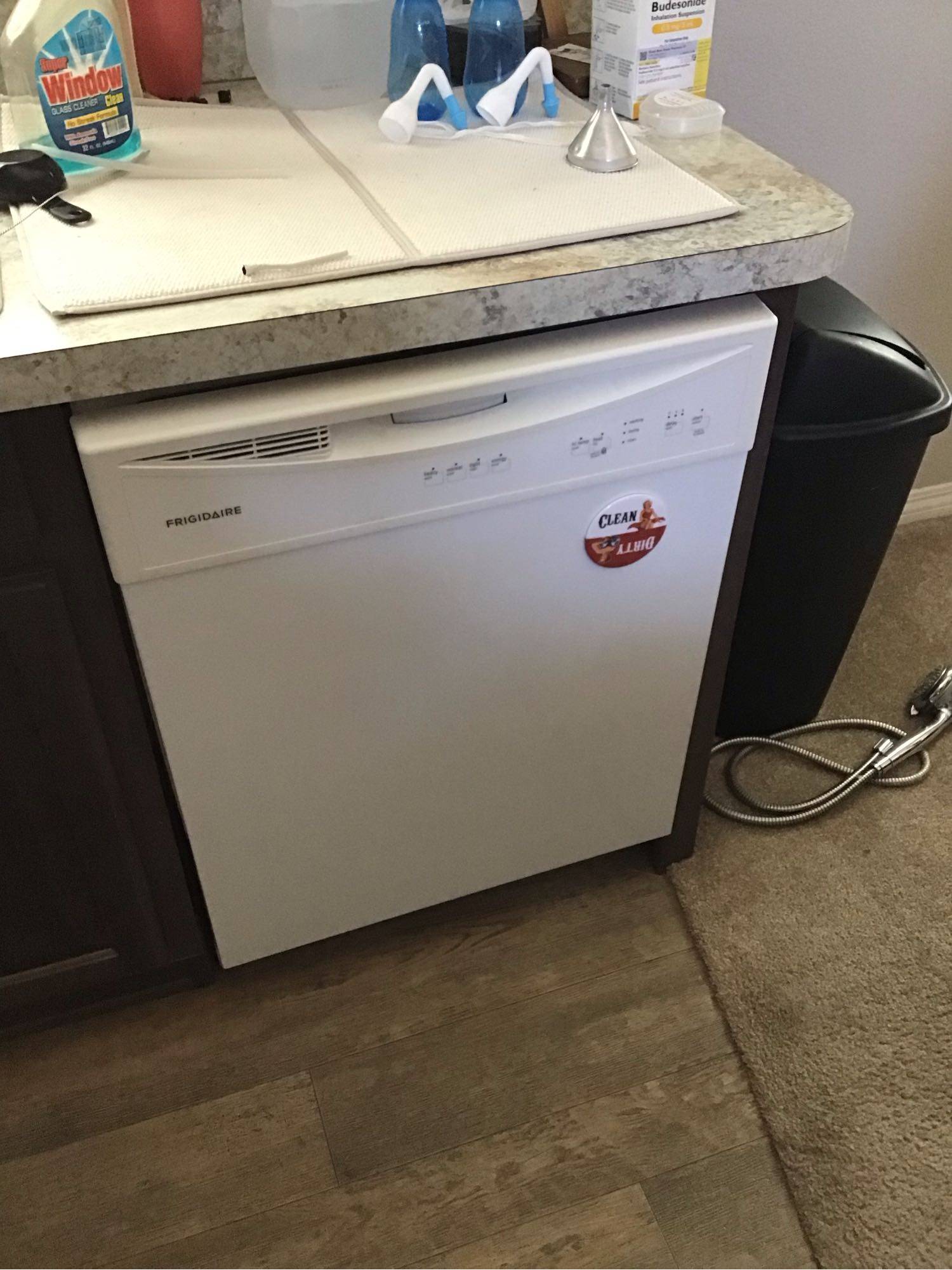
A dishwasher should leave stainless steel utensils clean, shiny, and free from residue. If you notice a rainbow-colored film appearing on forks, knives, spoons, or other stainless steel items after every wash, the problem usually points to detergent concentration, rinse performance, or water chemistry rather than damaged cookware.
Although the discoloration may look alarming, it is often reversible if the underlying cause is corrected early. Ignoring it, however, can lead to repeated spotting, mineral buildup, poor washing performance, and unnecessary wear on both your dishes and your dishwasher.
What Causes a Rainbow Film?
The thin rainbow effect forms when a microscopic layer of detergent residue, minerals, or chemical deposits remains on the metal surface after the wash cycle. Light reflects differently through this thin layer, creating colorful streaks similar to oil on water. Several conditions can produce this effect.Excessive Detergent
Modern dishwasher detergents are highly concentrated. Using more than the manufacturer recommends does not improve cleaning. Instead, excess detergent may not dissolve completely or rinse away during the final cycle. Undissolved detergent can leave a thin coating on stainless steel, especially when washing lightly soiled dishes.Too Little Detergent
Surprisingly, insufficient detergent can also contribute to residue. Without enough cleaning agents, grease and minerals remain on utensils, mixing with rinse water and drying into a visible film. Finding the correct detergent amount for your water hardness is essential.Water Hardness Problems
Hard water contains elevated levels of calcium and magnesium. During the drying process, these minerals remain on utensils and may combine with detergent residue. Even homes equipped with water softeners can experience problems if:- The softener needs maintenance.
- Salt levels are low.
- Water hardness has recently changed.
- Dishwasher settings no longer match local water conditions.
Rinse Aid Issues
Rinse aid helps water sheet off dishes instead of forming droplets. Without enough rinse aid, water evaporates unevenly, allowing detergent residue and minerals to remain on stainless steel surfaces. Common rinse aid problems include:- Empty rinse aid dispenser
- Incorrect dispenser adjustment
- Clogged dispenser opening
- Defective dispenser mechanism
Incomplete Final Rinse
The dishwasher’s final rinse removes detergent before drying begins. If this rinse is interrupted or receives insufficient water, detergent remains on utensils. Possible causes include:- Low household water pressure
- Restricted water inlet valve
- Partially clogged spray arms
- Circulation pump issues
- Water distribution problems
Spray Arm Performance
Spray arms distribute rinse water throughout the dishwasher. If food particles clog their small openings, certain sections receive less water than others. This explains why rainbow film may appear only on utensils placed in one basket or one side of the dishwasher. Cleaning spray arm holes regularly helps maintain consistent rinse coverage.Overloading the Dishwasher
When utensils are packed too closely together, rinse water cannot reach every surface. Detergent trapped between tightly packed items dries into a thin film that becomes visible after unloading. Proper spacing improves both washing and rinsing performance.Incorrect Water Temperature
Dishwasher detergents dissolve best at the temperatures recommended by the appliance manufacturer. If incoming water is too cool:- Detergent dissolves poorly.
- Grease remains.
- Residue accumulates.
- Final rinsing becomes less effective.
Low Water Level
A dishwasher that fills with less water than required cannot rinse dishes effectively. Several components may contribute:- Faulty water inlet valve
- Float switch problems
- Pressure sensor issues
- Electronic control errors
Detergent Dispenser Problems
Sometimes the detergent dispenser does not open completely or opens at the wrong time. This may cause concentrated detergent to release too late in the cycle, leaving residue on nearby utensils before the rinse cycle can fully remove it. A worn latch, weak spring, or damaged actuator may require replacement.Stainless Steel Is Usually Not Damaged
Fortunately, rainbow discoloration rarely means the utensils themselves have been permanently harmed. In many cases, the film can be removed by correcting the dishwasher issue and thoroughly washing the utensils again. However, repeated exposure to concentrated detergent residue over many months may dull the finish and reduce the appearance of premium stainless steel cookware.Preventive Maintenance
You can reduce the likelihood of rainbow film by following a few maintenance practices:- Measure detergent carefully.
- Keep rinse aid filled.
- Clean spray arms regularly.
- Remove and wash dishwasher filters.
- Avoid overcrowding.
- Run hot water at the kitchen faucet before starting a cycle.
- Use dishwasher detergent designed for your local water hardness.