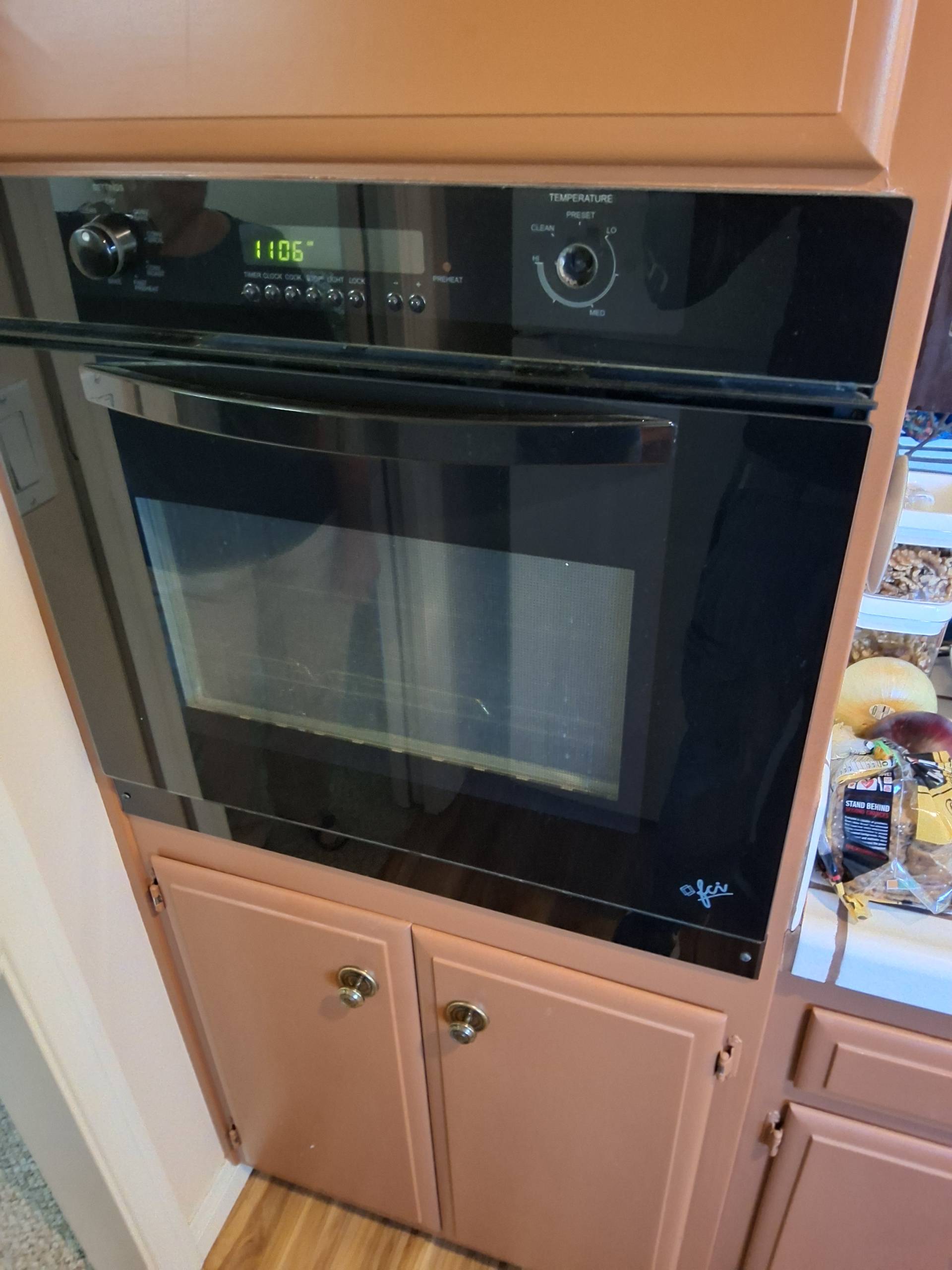
You set the oven to the desired temperature, wait for the preheat signal, and place your meal inside. Everything appears to be working normally, yet recipes that once finished on time now require an extra 10, 20, or even 30 minutes. Baked goods may need additional time to brown, casseroles remain cool in the center, and roasted meats take much longer to reach a safe internal temperature.
Many homeowners assume the recipe is inaccurate, the cookware has changed, or the ingredients are to blame. While these factors can influence cooking times, a noticeable increase across multiple recipes often points to an issue with the oven itself. An oven that successfully preheats is not necessarily heating correctly throughout the entire cooking cycle.
Preheating Doesn’t Tell the Whole Story
When an oven announces that preheating is complete, it simply means the temperature sensor has detected the target temperature at least once. Cooking, however, depends on the oven’s ability to maintain that temperature consistently. Throughout every baking or roasting cycle, the heating elements repeatedly turn on and off to keep the temperature within a narrow range. If one of these components begins to fail, the oven may reach 350°F during preheating but struggle to maintain that temperature afterward. As the internal temperature drops lower than intended, food cooks more slowly even though the display continues showing the selected setting.A Failing Temperature Sensor
The temperature sensor constantly measures the heat inside the oven and sends information to the electronic control board. If the sensor becomes inaccurate due to age or wear, it may report temperatures that are higher than the actual conditions inside the cavity. As a result, the control system reduces heating prematurely because it mistakenly believes the oven has already reached the correct temperature. Common signs of a failing temperature sensor include:- Longer cooking times
- Uneven baking results
- Food that is undercooked despite following recipes
- Inconsistent temperatures between different cooking cycles
Weak Heating Elements
Electric ovens rely on bake and broil elements to generate heat. Although a damaged heating element sometimes stops working completely, it can also weaken over time. A partially failing element may still glow and produce heat but deliver significantly less power than it originally did. This reduced output makes it difficult for the oven to recover heat each time the door is opened or after the heating cycle turns off. Eventually, recipes that once cooked perfectly begin requiring additional time. Visible signs of heating element problems may include blistering, cracks, uneven glowing, or sections that remain dark while operating.Thermostat or Electronic Control Problems
Modern ovens use electronic control boards rather than traditional mechanical thermostats to regulate temperature. If the control board misinterprets temperature readings or fails to energize the heating elements correctly, the oven may cycle too infrequently or for shorter periods than necessary. Although the display continues showing the selected temperature, the actual oven temperature may fluctuate well below the desired setting. Electronic issues can be difficult to identify without specialized testing equipment because the oven often appears to function normally during casual observation.Uneven Heat Distribution
Cooking performance depends not only on temperature but also on proper heat circulation. Convection ovens use a fan to distribute hot air evenly throughout the cooking cavity. If the convection fan slows down, becomes obstructed, or stops working entirely, hot air collects in certain areas while cooler pockets develop elsewhere. This leads to:- Longer overall cooking times
- Uneven browning
- Foods cooking faster on one side
- Different results on upper and lower racks
- Baking that requires rotating pans halfway through the cycle
Worn Door Seals
The oven door gasket forms a seal that keeps hot air inside the cooking chamber. As the gasket ages, it may flatten, crack, tear, or lose flexibility. Heat then escapes around the edges of the door, forcing the heating system to work harder to maintain temperature. Besides increasing cooking times, damaged door seals may also cause:- Excessive heat around the front of the oven
- Higher energy consumption
- Uneven baking
- Longer recovery times after opening the door
Calibration Issues
Sometimes the oven heats consistently but not accurately. Even a temperature difference of 20 to 30 degrees can noticeably affect baking and roasting times. Many ovens allow temperature calibration through the control settings, while others require professional adjustment after testing with calibrated equipment. If recipes repeatedly finish too slowly despite correct settings, calibration should be checked before assuming other components have failed.Opening the Door Too Frequently
Although mechanical issues are common, user habits can also contribute to longer cooking times. Every time the oven door is opened, a significant amount of heat escapes. Frequent checking, basting, or rotating food forces the heating elements to work harder to restore the lost temperature. Using the oven light and viewing window whenever possible helps maintain more stable cooking conditions. However, if longer cooking times occur even without frequent door openings, the appliance itself should be inspected.Why Delayed Cooking Shouldn’t Be Ignored
An oven that gradually loses heating performance rarely improves on its own. As heating elements, sensors, or electronic controls continue to deteriorate, cooking becomes increasingly inconsistent. Eventually, the oven may fail to maintain safe cooking temperatures, produce unreliable baking results, or stop heating altogether. Addressing the issue early often prevents more extensive repairs while protecting expensive electronic components from additional strain.Simple Checks Before Calling for Service
Homeowners can perform a few basic inspections before scheduling professional repairs:- Verify that the oven door closes completely.
- Inspect the door gasket for cracks or gaps.
- Avoid blocking interior air vents.
- Use an oven thermometer to compare actual and displayed temperatures.
- Check that convection mode operates correctly if your oven includes this feature.