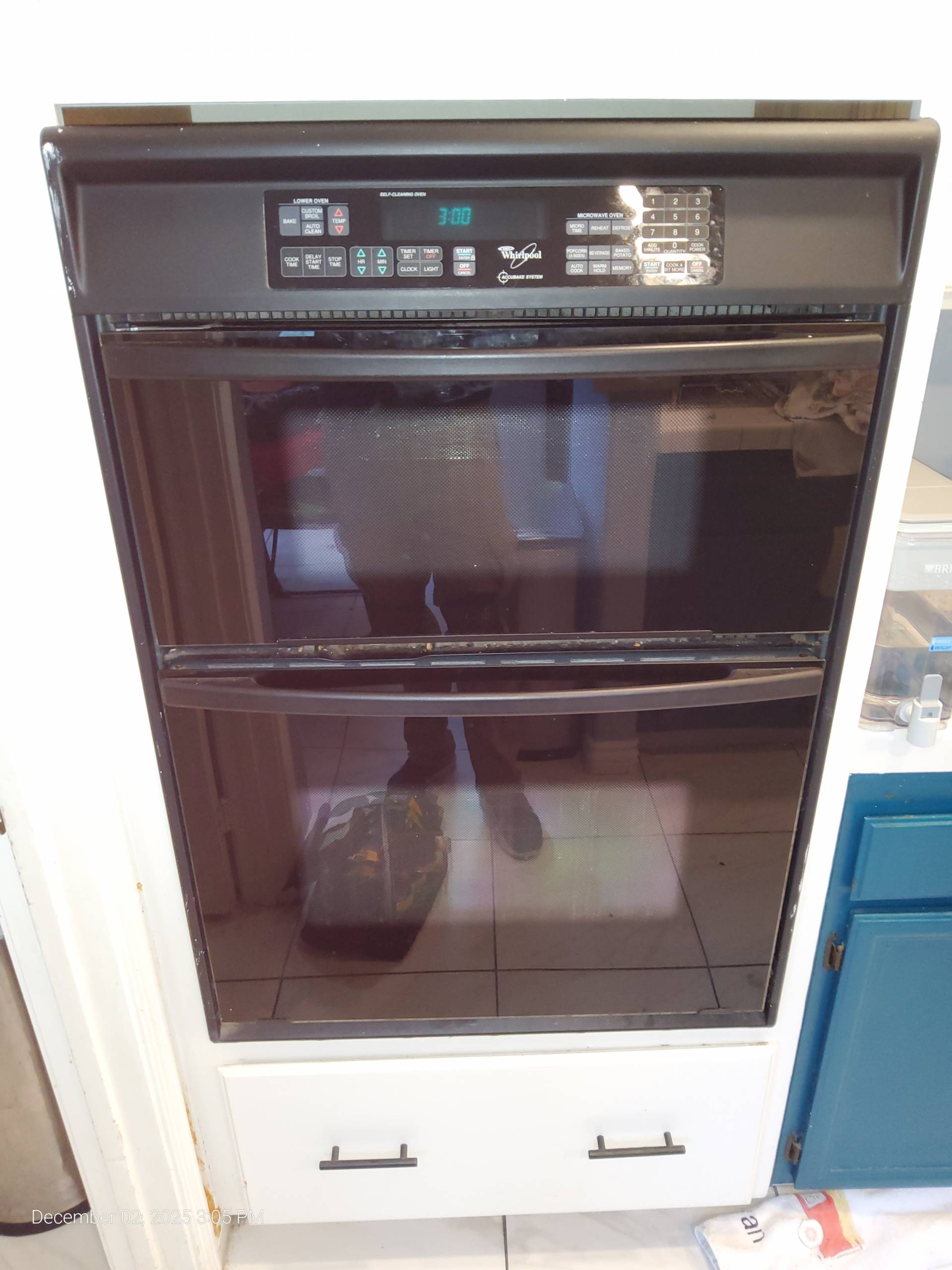
A timer that ends correctly and a display that shows the expected temperature usually create confidence that the oven is working properly. The cycle completes, the indicator turns off, and everything looks normal from the outside. The issue becomes obvious only when food is removed from the oven: the surface may look finished, but the center remains raw, dense, or inconsistently cooked.
This mismatch between expected and real results is one of the most overlooked signs of declining oven performance. The problem rarely comes from recipes or cookware. More often, it reflects a gap between what the oven reports and what it actually delivers during the cooking cycle.
When timing is correct but heat is not
Modern ovens rely on a control system that manages three key functions: temperature detection, heating output, and cycle timing. The timer only defines how long the oven operates. It does not confirm that heat levels were stable or accurate during that period. If internal temperature fluctuates or never reaches the required level consistently, the oven may still complete the cycle as programmed. The result is a dish that appears properly baked on the outside but remains undercooked internally. This is especially noticeable in foods that depend on stable heat penetration, such as baked meats, casseroles, bread, and dense pastries.Temperature sensor inaccuracies
The temperature sensor is responsible for measuring heat inside the oven cavity and sending data to the control board. If this sensor begins to drift or degrade, it may report incorrect readings. In practice, this means the oven can behave as if it has reached the correct temperature while the actual internal heat remains lower. The heating system then cycles off earlier than needed, reducing total heat exposure during cooking. Typical signs of sensor-related issues include:- Food consistently undercooked in the center
- Baking requiring longer time than usual
- Inconsistent results between identical recipes
- Temperature recovery delays after opening the door
Weak or partially failing heating elements
In electric ovens, the bake element is responsible for producing the primary heat used in most cooking cycles. Even when it is not completely broken, it can degrade over time. A partially failing element may still glow and produce heat, but its output becomes weaker and less stable. This reduces the oven’s ability to maintain consistent temperature, especially during longer cooking cycles. Common indicators include:- Longer baking times across multiple recipes
- Uneven cooking results between racks
- Reduced browning or crisping
- Visible damage such as cracks or dark spots on the element
Calibration drift and control inconsistencies
Ovens are calibrated to maintain a close match between displayed temperature and actual heat. Over time, this calibration can shift due to aging components or repeated thermal stress. Even a deviation of 15–25 degrees is enough to disrupt cooking results. Many recipes are sensitive to relatively small temperature changes, especially baked goods and roasted proteins. When calibration drifts:- Cooking times become unpredictable
- Food may appear done on the outside but remain raw inside
- Browning and texture consistency decrease
- The oven feels “slower” even though settings are unchanged
Heat loss during the cooking cycle
Even if heating components function correctly, heat can still escape faster than expected. A worn door gasket is one of the most common causes. The gasket is designed to seal the oven cavity and retain heat. When it becomes flattened, cracked, or loses elasticity, hot air leaks out continuously during operation. This leads to a slow decline in internal temperature that is not always obvious during cooking. The oven continues cycling, but it spends more energy replacing lost heat instead of maintaining stable conditions. Additional symptoms include:- Longer preheat recovery after opening the door
- Excess heat around the oven front
- Increased energy consumption
- Uneven cooking results over time
Gas oven-specific issues
In gas ovens, heat production depends on the igniter and gas flow stability. A weakening igniter may still light the burner, but it can reduce flame strength or cause inconsistent heating cycles. When this happens:- The oven reaches temperature slowly
- Heat output fluctuates during cooking
- Food takes longer to finish despite correct settings
- Temperature consistency becomes unreliable
Air circulation and internal heat distribution
Even when temperature is correct, heat must circulate properly inside the oven cavity. Convection ovens rely on a fan to distribute hot air evenly. If the fan slows down or stops working effectively, hot and cold zones form inside the oven. This creates uneven cooking where:- One side finishes faster than the other
- Upper racks cook differently from lower racks
- Dense foods remain undercooked in the center
- Baking results vary between positions
Why the oven still “looks” normal
One of the reasons this problem is often ignored is that the oven behaves normally in basic functions. It turns on, heats up, reaches the target temperature on the display, and shuts off according to the timer. From the user’s perspective, nothing appears broken. The issue becomes visible only through food quality and repeated inconsistency in cooking results. This delay in symptoms is what allows small performance issues to develop into more serious component failures over time.Practical checks before service
Before assuming a major malfunction, a few basic checks can help clarify the situation:- Use an independent oven thermometer to compare actual and displayed temperature
- Check whether all racks cook evenly using the same recipe
- Inspect the door seal for gaps or wear
- Test convection mode if available
- Observe whether preheating time has increased over recent months
Why early diagnosis matters
Oven performance issues rarely remain stable. Once heating or sensing components begin to fail, they usually continue to degrade. Ignoring the problem can lead to:- More severe temperature inaccuracies
- Increased energy consumption
- Damage to heating elements or control boards
- Complete loss of consistent cooking performance