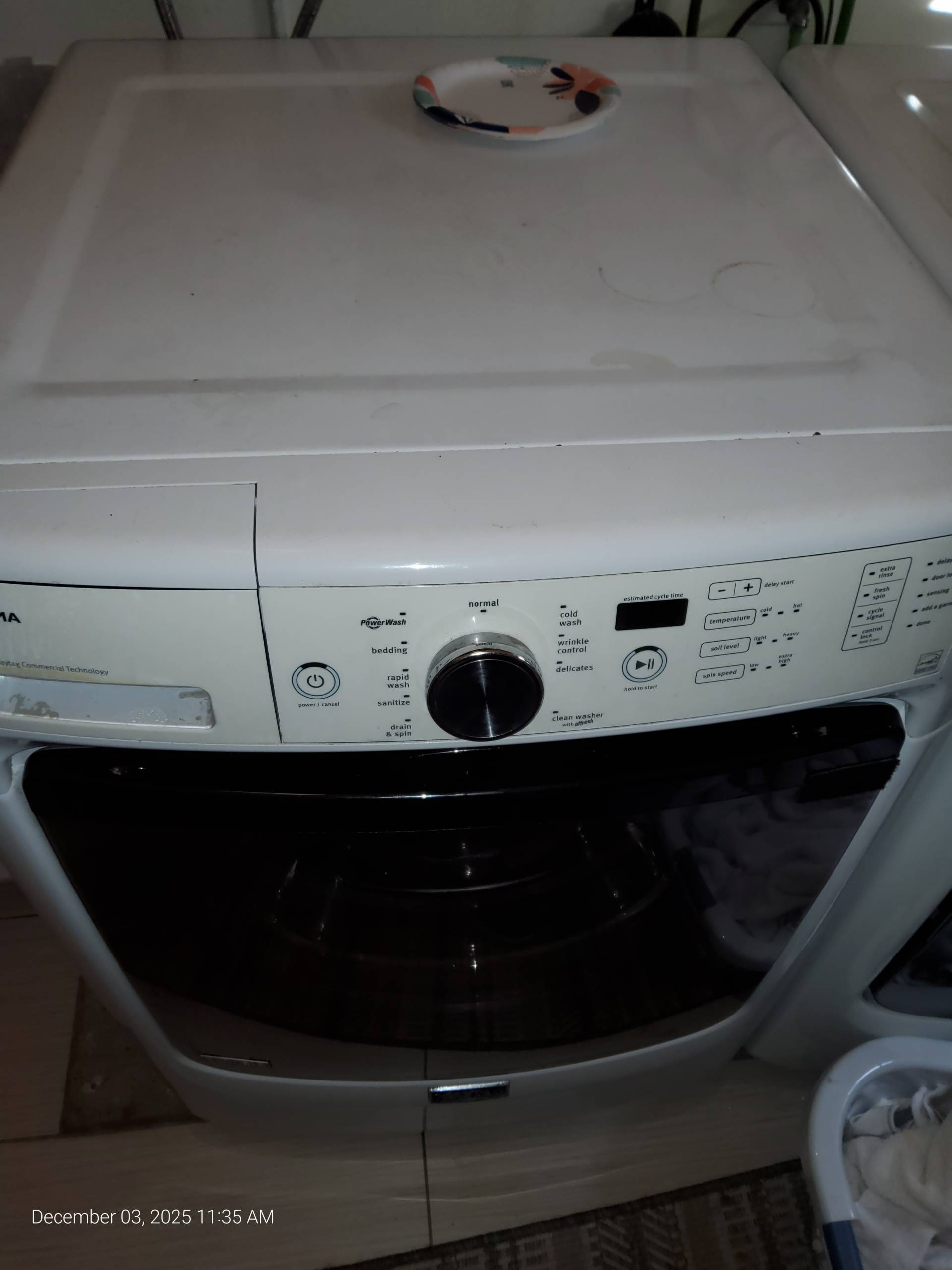
A washing machine that completes cycles on time, operates quietly, and shows no visible errors usually gives the impression of full reliability. Everything appears normal during operation, and nothing seems to indicate a developing issue. However, there is one detail that often goes unnoticed: a gradual increase in cabinet temperature after a wash cycle.
While slight warmth is expected during operation, a consistent rise in external or internal cabinet temperature can indicate that the appliance is working harder than it should. This change is subtle, but it often reflects early-stage stress on internal components long before more obvious failures appear.
Normal Heat vs. Abnormal Temperature Rise
Washing machines generate heat during multiple stages of operation. The motor, pump, and control system all produce thermal energy, especially during spin cycles. In most cases, this heat is managed efficiently and dissipated through the machine’s design. A normal unit may feel slightly warm after use, but the temperature should remain stable and return to ambient levels relatively quickly. When the cabinet begins to feel noticeably warmer than before, especially after similar load types and wash cycles, it suggests that heat is accumulating faster than it can be released.Restricted Ventilation and Airflow Limitations
One of the most common reasons for increased heat retention is restricted airflow around internal components. Dust accumulation, blocked ventilation channels, or poor placement of the appliance can reduce the system’s ability to release heat. Over time, this creates a gradual buildup of warmth inside the cabinet. Front-load washers and compact models are particularly sensitive to ventilation issues because their tightly packed internal structure leaves less room for natural heat dissipation.Overworked Motor and Drive System
The motor is one of the primary heat sources in a washing machine. When it operates under increased load, it generates more heat than usual. This can happen due to:- Imbalanced loads that force the motor to compensate
- Worn drive components increasing resistance
- Drum alignment issues creating additional friction
- Aging belts or couplings reducing efficiency
Bearing Wear and Internal Friction
Bearings support the drum’s rotation and allow smooth movement during wash and spin cycles. When they begin to wear, friction increases gradually. In early stages, bearing wear may not produce noise, but it can still generate excess heat. This heat transfers to surrounding structures, making the cabinet feel warmer after operation. If left unaddressed, bearing degradation eventually leads to louder operation, vibration, and more extensive mechanical damage.Electrical Resistance and Wiring Stress
Electrical components naturally produce heat, but increased resistance in wiring, connectors, or control boards can amplify this effect. Aging connections, moisture exposure, or minor corrosion can reduce conductivity. As resistance increases, more energy is converted into heat instead of mechanical output. This type of issue is particularly concerning because it often develops silently, without triggering error codes or affecting cycle completion.Control Board Load and Hidden Strain
The control board manages every stage of the wash cycle. When other components begin to degrade, the board may compensate by adjusting cycle behavior or increasing operational demand. This added workload can cause localized heating inside the cabinet, especially if cooling airflow is already limited. While the machine continues to function normally on the surface, internal electronics may be operating under progressively higher stress.Why Small Temperature Changes Should Not Be Ignored
A slight increase in cabinet warmth rarely feels urgent. The washer still runs, clothes still come out clean, and there are no visible warnings. However, this is often how early-stage mechanical or electrical issues begin. Heat is one of the first indicators that a component is no longer operating within its ideal range. If ignored, prolonged thermal stress can contribute to:- Accelerated wear of wiring insulation
- Reduced lifespan of electronic components
- Increased strain on motor and drive systems
- Gradual failure of bearings or seals
- Higher risk of sudden breakdowns
Basic Checks Before Calling a Technician
Before assuming a technical failure, a few simple observations can help clarify the situation:- Ensure the washer has adequate space for airflow around the cabinet
- Avoid overloading the drum
- Check for dust accumulation near vents or openings
- Observe whether heat increases after heavy or mixed loads
- Compare cabinet temperature after different cycle types