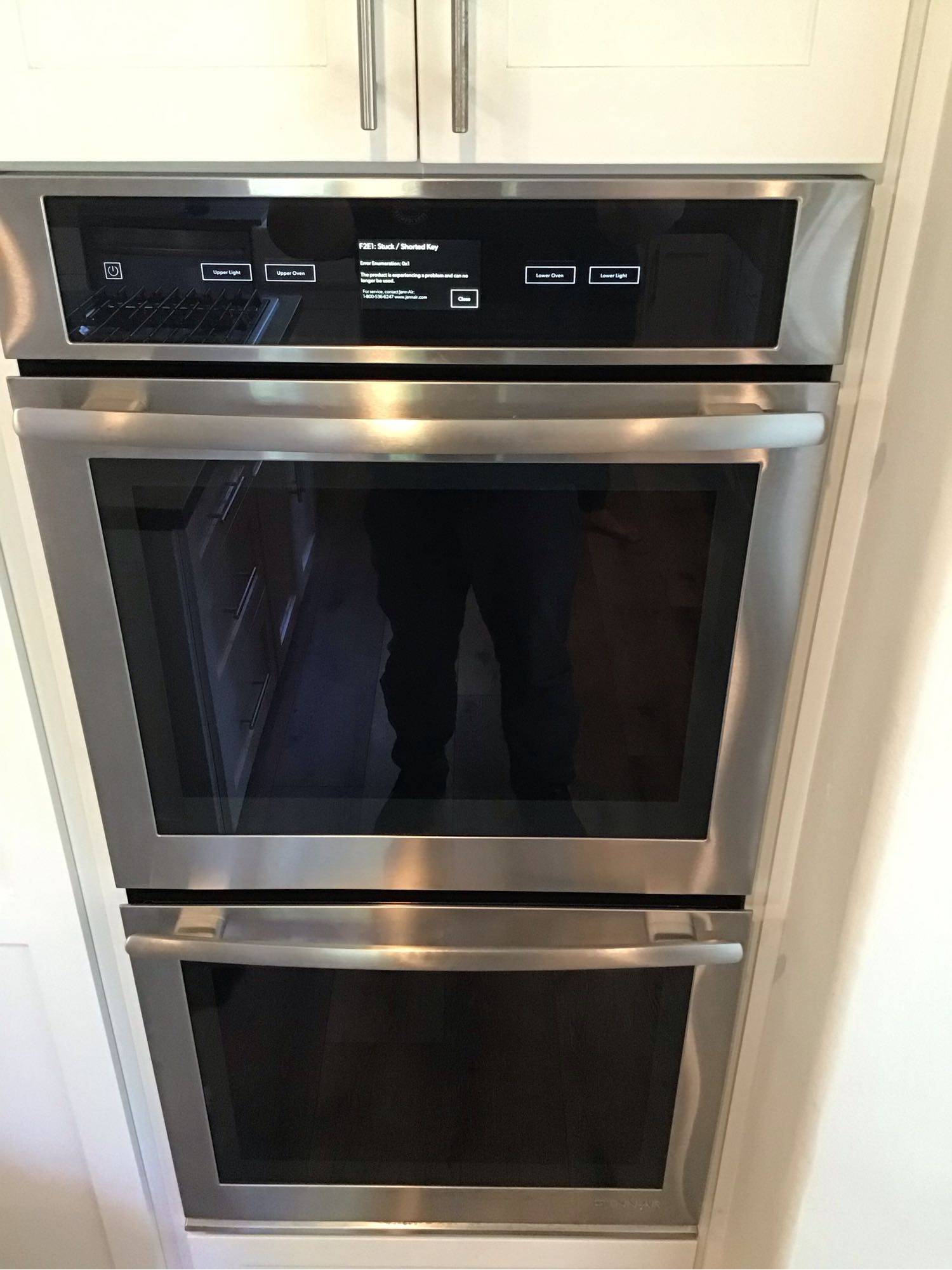
When an oven light turns on normally, the control panel responds, and all indicators appear functional, most homeowners assume the appliance is operating correctly. However, if food takes longer than expected to cook, baking results become inconsistent, or the oven struggles to maintain temperature, there is likely a problem within the heating system.
An oven can continue to display signs of normal operation even when critical heating components are beginning to fail. Understanding the potential causes of weak or inconsistent heating can help prevent further damage and ensure the appliance remains safe and reliable.
Worn or Failing Heating Element
One of the most common reasons for reduced oven performance is a deteriorating heating element. Electric ovens typically use bake and broil elements to generate heat. Over time, these components are exposed to repeated heating and cooling cycles that gradually weaken the metal inside. In some cases, a heating element may develop visible signs of damage such as blistering, cracking, or burn marks. However, many failing elements appear completely normal during a visual inspection. Despite looking intact, they may no longer produce the amount of heat required for proper cooking. A weakened heating element can cause several noticeable symptoms:- Slow preheating times
- Uneven cooking results
- Difficulty reaching the selected temperature
- Extended cooking times
- Temperature fluctuations during operation
Faulty Temperature Sensor
Modern ovens rely on temperature sensors to monitor internal heat levels. These sensors continuously send information to the control system, allowing the appliance to regulate temperature accurately throughout the cooking cycle. When a sensor begins to fail, it may provide incorrect readings. As a result, the oven’s control system receives inaccurate information about the actual temperature inside the cavity. If the sensor reports a higher temperature than what is actually present, the control board may reduce power to the heating elements prematurely. The oven then remains cooler than the selected setting, causing food to cook slowly or unevenly. Common signs of a defective temperature sensor include:- Food consistently undercooked
- Large differences between set and actual temperatures
- Frequent temperature swings
- Inconsistent baking performance
Thermostat Problems
In ovens equipped with traditional thermostats, inaccurate temperature regulation can result from internal wear and calibration drift. The thermostat is responsible for controlling when the heating elements turn on and off. As components age, the thermostat may begin reacting incorrectly to temperature changes. This can cause the heating cycle to end too soon or restart too late. When thermostat performance declines, the oven may:- Struggle to maintain stable temperatures
- Produce uneven baking results
- Require longer cooking times
- Overheat during some cycles and underheat during others
Control Board and Relay Failures
Many modern ovens use electronic control boards to manage heating functions. These boards contain relays that switch power to the bake and broil elements. Over years of operation, relay contacts can wear down due to repeated electrical loads. When this happens, power delivery to the heating elements becomes inconsistent. A faulty relay may intermittently prevent an element from receiving full voltage. The element may still operate, but heating performance becomes weak or unpredictable. Symptoms associated with control board or relay issues include:- Intermittent heating
- Long preheat cycles
- Uneven temperatures
- Random temperature drops
- Heating elements that work only occasionally
Internal Wiring Problems
Electrical wiring inside an oven is exposed to high temperatures and constant thermal expansion. Over time, connections can loosen, insulation can deteriorate, and terminals may become damaged. Even when the oven light and display continue functioning, a damaged wire supplying power to a heating element can significantly reduce heating efficiency. Loose or burned wiring connections may create resistance within the electrical circuit. This resistance limits the amount of power reaching the heating components, resulting in poor cooking performance. Potential warning signs include:- Inconsistent heating
- Burning odors during operation
- Intermittent oven performance
- Unexpected shutdowns under heavy heating loads
Problems with Power Supply
Electric ovens require a substantial amount of electrical power to operate properly. In some situations, part of the appliance’s power supply may fail while other functions continue working. For example, the oven light, display, and control panel may remain operational because they require relatively little electricity. Meanwhile, the heating elements may not receive sufficient voltage to generate full heat output. This type of issue can occur because of:- Damaged power cords
- Faulty breakers
- Loose terminal block connections
- Electrical supply problems
Why Prompt Diagnosis Matters
When an oven begins losing heating performance, many homeowners continue using it for weeks or months. Unfortunately, delayed repairs can lead to additional strain on heating elements, control boards, and other components. An oven that struggles to reach temperature often operates for longer periods, increasing wear throughout the system. What begins as a relatively simple repair can eventually develop into a more expensive problem if ignored. Early diagnosis provides several benefits:- More accurate temperature control
- Reduced energy consumption
- Improved cooking results
- Prevention of secondary component failures
- Extended appliance lifespan