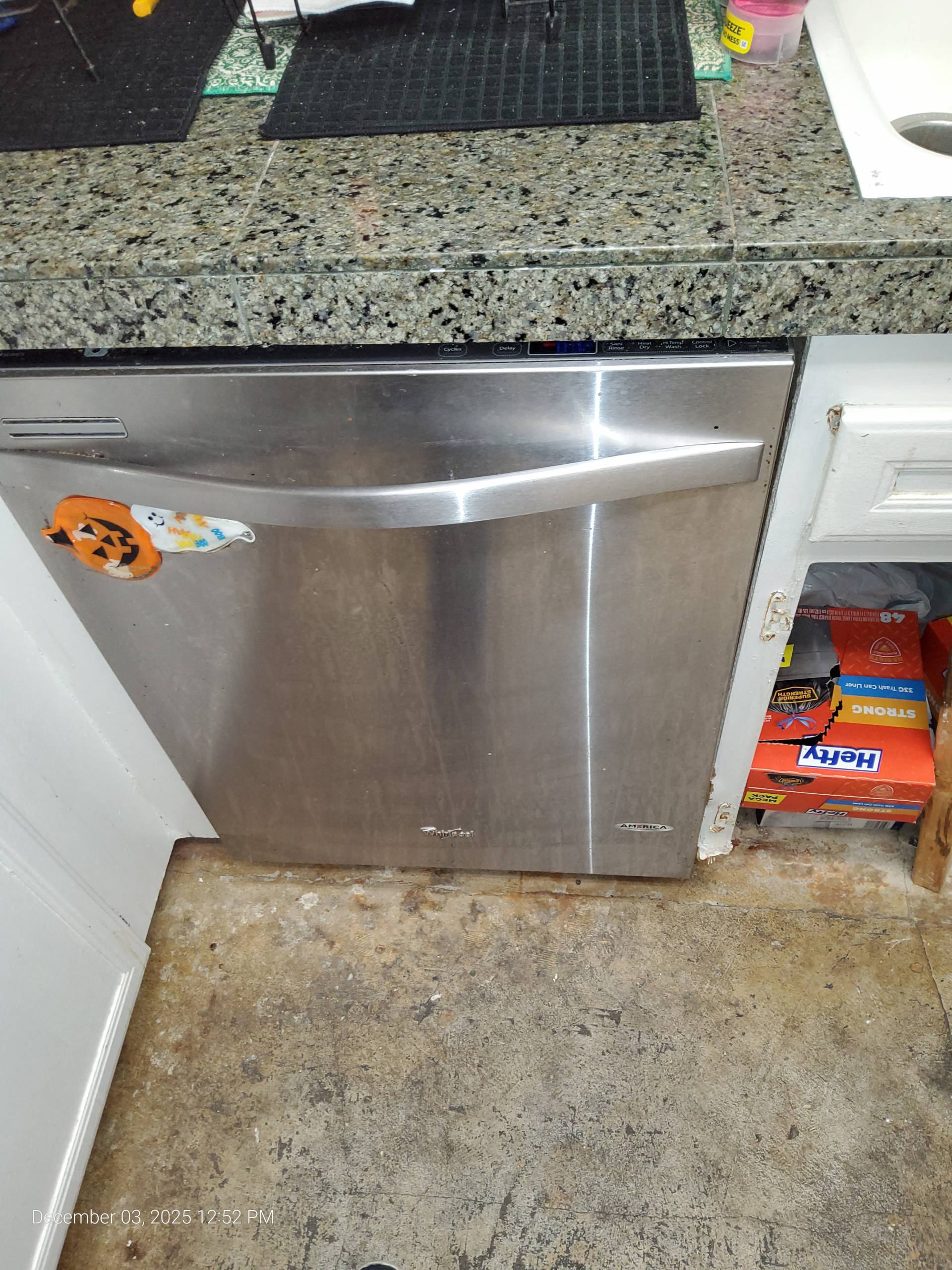
A dishwasher can deliver perfectly clean plates and clear glassware, yet still produce an unpleasant smell when the door opens. The cleaning performance looks correct, cycles finish normally, and there are no visible signs of residue. The contradiction usually points to a problem that develops after washing is complete rather than during it — airflow stagnation inside the appliance.
Cleaning removes food particles, but freshness after a cycle depends on how effectively the interior dries. When moisture remains trapped inside the machine, odors begin to form even if the dishes themselves are spotless.
How airflow should remove moisture
After the final rinse, a dishwasher relies on residual heat and air circulation to dry both dishes and internal surfaces. Warm, humid air should move through vents and exit the chamber, carrying moisture away. When this process works correctly, the interior dries evenly, and no stagnant humidity remains inside the tub. This prevents bacterial growth and keeps odors from developing between cycles. If airflow is restricted, moisture stays trapped in hidden zones where evaporation slows down significantly.Blocked or weakened ventilation paths
One of the most common causes of odor despite clean dishes is partial blockage of ventilation channels. These pathways are responsible for moving humid air out of the dishwasher after the cycle ends. When they become restricted by mineral buildup, grease, or debris, airflow slows down. The machine still completes its program, but moisture has nowhere to escape. This creates a damp internal environment that becomes noticeable as soon as the door is opened.Weak drying fan performance
Some dishwashers use internal fans to actively circulate air during the drying phase. If the fan weakens or operates inconsistently, airflow becomes insufficient to remove humidity. Even a small reduction in airflow strength can leave parts of the tub wet for extended periods. Over time, this leads to recurring odors that return after every cycle. Because the fan may still run, the issue is often overlooked until drying quality and smell become persistent problems.Trapped moisture in hidden areas
Even when visible surfaces appear dry, moisture can remain in less accessible areas such as seals, lower corners of the tub, and internal ducting. If airflow is not strong enough to reach these zones, water does not fully evaporate. This trapped humidity becomes a breeding ground for odor-causing bacteria. The result is a dishwasher that looks clean but continues to smell unpleasant.Why filters and clean cycles don’t solve it
Many users attempt to resolve odor issues by cleaning filters or running intensive wash programs. While these steps can remove surface residue, they do not address airflow inside the machine. If ventilation paths or drying mechanisms are restricted, moisture will still accumulate regardless of how clean the filters are. This is why the smell often returns shortly after cleaning.Gradual development of the problem
Airflow stagnation rarely appears suddenly. It develops slowly as small restrictions accumulate inside vents and ducts. At first, the change is barely noticeable. Over time, drying becomes less effective, and moisture begins to remain after each cycle. Eventually, odor becomes a consistent issue even though washing results remain unchanged.Early signs of airflow stagnation
Before the smell becomes constant, several indicators may appear:- interior walls remain damp long after cycle completion
- faint odor appears only when the dishwasher is closed
- glassware dries, but plastic items stay moist
- steam lingers longer than usual after opening the door
- filter appears clean, but smell persists