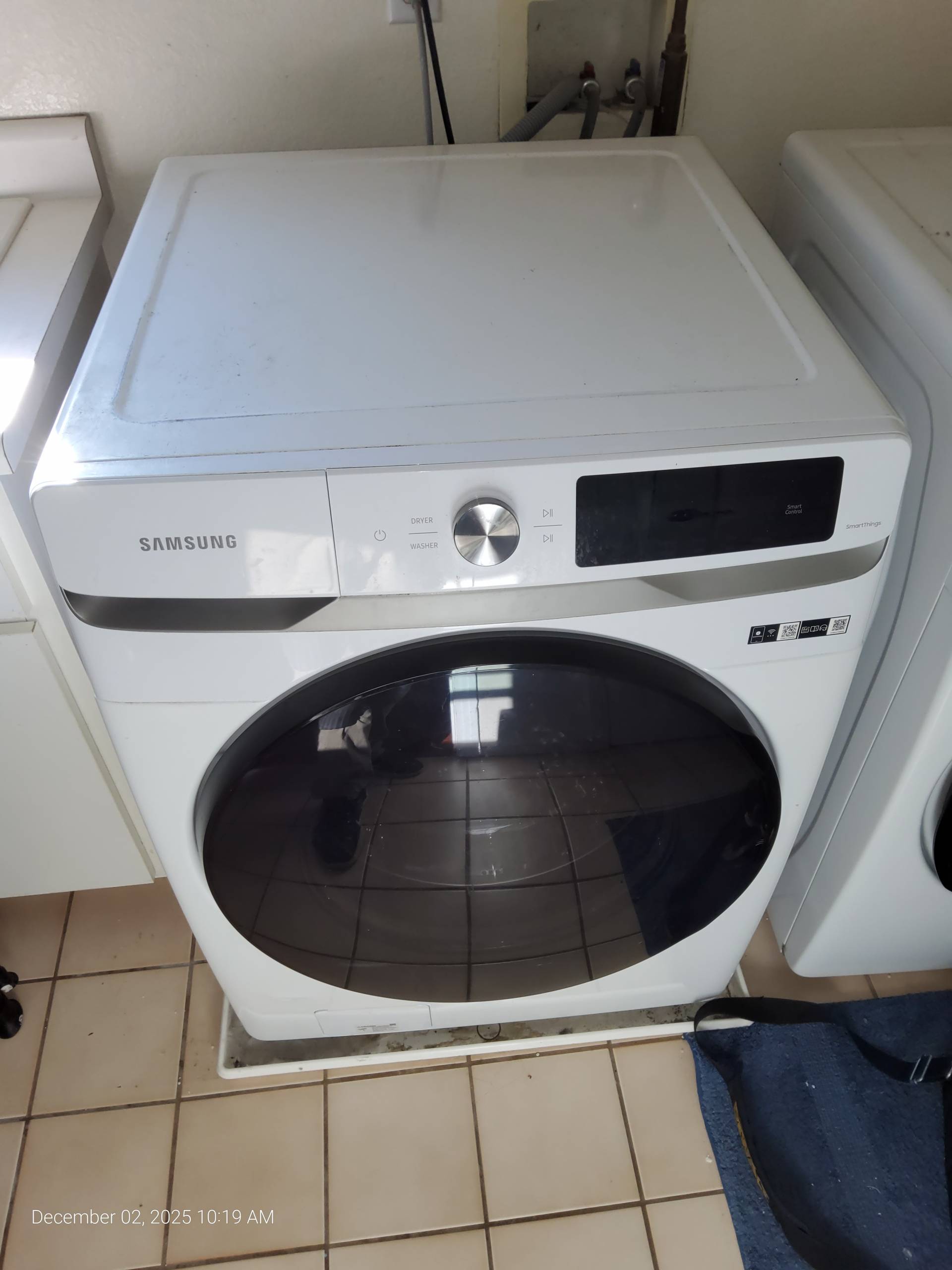
A washing machine can complete every cycle without unusual noise, vibration, or error codes, while internal components gradually operate under excessive heat. Laundry comes out clean, the program ends normally, and nothing appears wrong from the outside. The problem develops inside the machine, where temperature control and heat dissipation stop working as efficiently as they should.
Internal overheating rarely produces immediate symptoms. Instead, it builds slowly and affects multiple systems at once, increasing wear on electrical and mechanical parts.
How heat builds up inside a washer
During operation, several components naturally generate heat: the motor, control board, pump system, and wiring connections. Under normal conditions, this heat is controlled through ventilation, airflow inside the casing, and short pauses between load variations. When airflow is restricted or components begin to age, heat starts accumulating instead of dispersing. The machine continues running, but internal temperature gradually rises beyond optimal limits. Because there are no visible signs at the start, the issue often goes unnoticed until damage becomes more advanced.Motor strain and reduced cooling efficiency
The motor is one of the main sources of internal heat. When it operates under heavy load or poor ventilation, its temperature increases significantly. Overloading the drum, frequent high-speed spins, or uneven load distribution forces the motor to work harder than intended. Without proper cooling, insulation around motor windings begins to degrade over time. This leads to reduced efficiency, longer cycle times, and eventual mechanical stress that may not be reversible.Control board sensitivity to heat
Electronic control boards are highly sensitive to temperature changes. When internal heat is not properly managed, solder joints and microcomponents gradually weaken. Unlike mechanical failures, electronic degradation does not produce immediate symptoms. The washer continues to function until a threshold is reached, after which faults may appear suddenly and unpredictably. This is one of the reasons overheating-related failures often seem abrupt, even though they develop over months.Dust buildup and restricted airflow
Air circulation inside the appliance plays a key role in maintaining safe operating temperatures. When dust accumulates inside vents or around internal components, airflow becomes restricted. This limits the machine’s ability to release heat during operation. Even a partial blockage can gradually increase internal temperature during each cycle. Over time, this constant thermal load accelerates wear across multiple systems.Bearing wear and friction heat
Bearings support drum rotation and reduce friction between moving parts. As they age or lose lubrication, friction increases, producing additional heat during every spin cycle. This added heat contributes to overall internal temperature rise, especially during high-speed operations. If left unaddressed, bearing wear can escalate into both mechanical noise and structural damage. In early stages, however, overheating may occur without any audible warning.Electrical load imbalance and capacitor issues
Capacitors and wiring systems regulate electrical flow to the motor and other components. When these parts begin to degrade, the system may draw irregular current levels. This increases energy loss in the form of heat. The machine continues to function, but efficiency drops and internal temperature rises more quickly during each cycle. These electrical imbalances are often invisible without technical diagnostics.Why the washer still appears normal
Modern washing machines are designed to tolerate a certain level of heat fluctuation. As long as basic functions remain within operational limits, the system does not generate alerts. This means overheating can progress silently while performance appears stable. The appliance continues washing effectively, masking the underlying stress on internal components.Early warning signs of internal overheating
Before serious damage occurs, several subtle indicators may appear:- exterior panels feel warmer than usual after cycles
- cycles take slightly longer to complete
- occasional pauses or restarts during operation
- faint burning or warm electrical smell after washing
- reduced spin efficiency in heavier loads