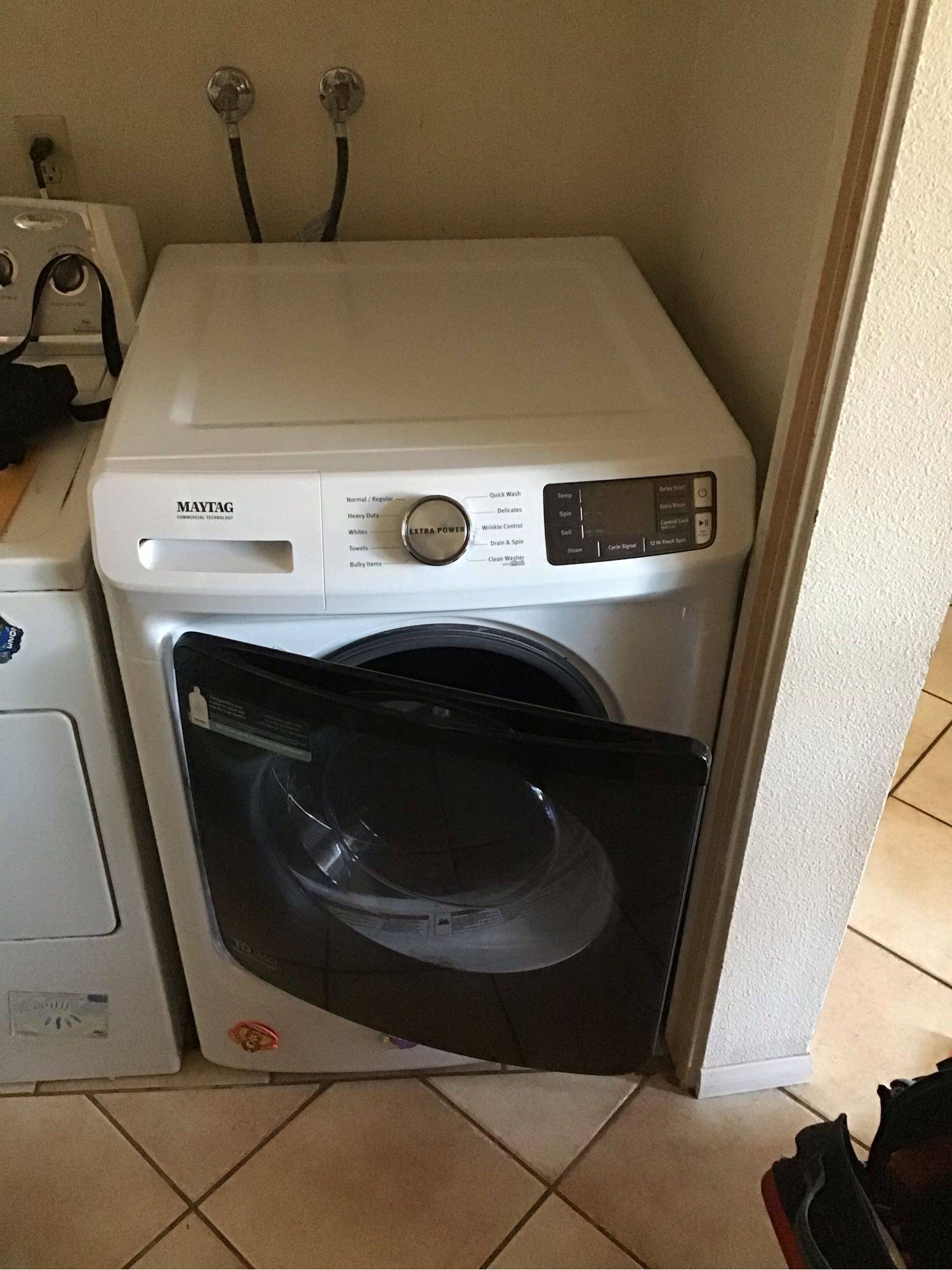
A washing machine that occasionally skips the final spin cycle can be frustrating. Clothes come out soaking wet, forcing you to run an additional spin cycle or spend extra time drying laundry. While some users assume the problem is caused by an overloaded drum, intermittent spin failures often point to issues with the machine’s load sensing system or electronic control board.
Modern washing machines rely on multiple sensors and electronic components to determine when conditions are safe for spinning. If any of these systems provide incorrect information, the appliance may cancel the final spin cycle to protect internal components from damage.
How the Final Spin Cycle Works
Before a washing machine enters the final spin phase, it performs several checks. The control board verifies that the water has drained properly, the door is securely locked, and the load inside the drum is balanced. Once these conditions are confirmed, the machine gradually increases drum speed until it reaches the programmed spin setting. If the appliance detects a potential problem, it may slow down, pause, or skip the spin cycle entirely. When this happens only occasionally, the issue can be difficult to diagnose because the machine may operate normally during some loads and fail during others.Load Sensing System Problems
Many modern washers use load sensing technology to determine the size and distribution of laundry. These systems help improve efficiency while preventing excessive vibration during high-speed spinning. When a load sensor begins to malfunction, the machine may incorrectly identify a balanced load as unsafe. As a result, the control system may repeatedly attempt to redistribute clothing and eventually cancel the spin cycle. Common signs of load sensing issues include:- Spin cycle works sometimes but not consistently
- Machine pauses frequently before spinning
- Cycle time unexpectedly increases
- Wet clothes remain in the drum after completion
- No visible error codes appear
Unbalanced Load Detection Failures
Washers are designed to protect themselves from excessive vibration. During the final spin cycle, sensors monitor drum movement and determine whether the load is evenly distributed. If these sensors become overly sensitive or begin malfunctioning, the washer may falsely detect an imbalance. The machine may stop, attempt to redistribute the load, and then abandon the final spin sequence. This problem often appears intermittently because slight differences in laundry weight can influence sensor readings. One load may complete successfully while the next experiences spin cancellation.Control Board Malfunctions
The electronic control board serves as the central computer of the washing machine. It receives information from sensors, manages cycle timing, and controls motor operation. When the control board develops faults, it may misinterpret sensor data or fail to issue commands required for spinning. Because control board problems are electronic in nature, they often create inconsistent symptoms. Signs of a failing control board may include:- Random cycle interruptions
- Inconsistent spin performance
- Unexpected pauses during operation
- Incorrect cycle completion times
- Occasional failure to advance to the next stage
Drainage Issues That Mimic Sensor Problems
Although load sensing and control board failures are common causes, drainage problems should not be overlooked. If water remains inside the drum, the control board may prevent spinning for safety reasons. Partial clogs in the drain pump or drain hose can create intermittent drainage performance, leading to occasional spin failures. Warning signs include:- Water remaining in the drum
- Slow draining between cycles
- Gurgling sounds during draining
- Damp clothes after washing