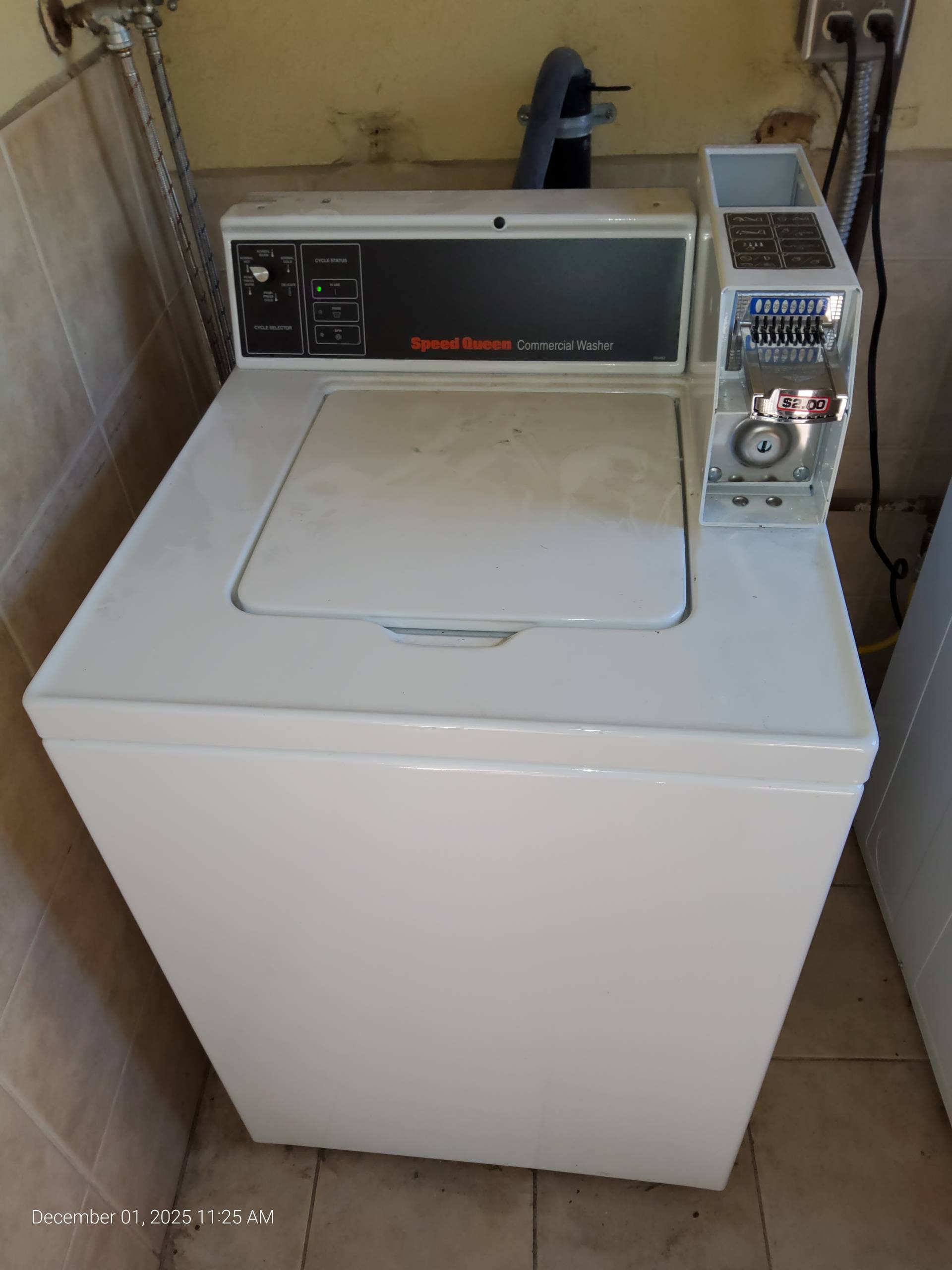
A washing machine can fill with the right amount of water, complete every stage of the cycle, and show no errors, yet still produce inconsistent results. One load comes out properly cleaned, while the next feels under-rinsed or unevenly washed. This kind of inconsistency usually points to a deeper issue inside the cycle coordination system rather than water level or detergent quality.
Modern washing performance depends on precise timing between water intake, drum movement, detergent activation, heating (if available), and drainage. When this sequence shifts even slightly, the cleaning process loses balance.
How washing cycles are meant to stay synchronized
Each stage of a wash cycle is designed to work in a specific order and for a specific duration. Water enters the drum, detergent disperses, agitation begins, soil is loosened, and only after that rinsing and draining occur. When this sequence is stable, cleaning results remain consistent regardless of load size or fabric type. The machine relies on internal logic to ensure each step has enough time to complete its function. If timing becomes inconsistent, the system still runs, but the effectiveness of each stage decreases.Delayed or early drum movement
One of the most common causes of performance variation is incorrect timing of drum agitation. If the drum starts rotating too late, detergent does not mix properly with water at the right moment. If it starts too early, cleaning action begins before full saturation of fabrics. This misalignment reduces the mechanical effectiveness of washing, even though all components are technically functioning. Over time, the difference becomes noticeable between loads that should have similar results.Valve response delays affecting water flow
Water inlet valves control when and how quickly water enters the machine. If they respond slowly or inconsistently, the cycle timing shifts without triggering errors. A delayed fill means detergent may not dissolve properly at the correct stage. In contrast, uneven filling can cause the system to adjust cycle duration in ways that disrupt the overall balance. These small variations accumulate and directly affect wash quality.Drainage timing not aligned with wash phases
Drainage is another critical part of cycle coordination. If water exits too early or too slowly, the next stage of the cycle begins under incorrect conditions. Early drainage may interrupt detergent action, while slow drainage can dilute rinsing efficiency. In both cases, the system continues operating normally, but cleaning consistency drops. This is often mistaken for detergent problems, even though the root cause is mechanical timing.Sensor drift and cycle miscommunication
Washing machines rely on sensors to measure water level, temperature, and sometimes load weight. When these sensors become less accurate, they send slightly incorrect data to the control system. The machine then adjusts timing based on flawed input. Even small deviations can change how long each phase runs, affecting overall cleaning performance. This type of issue develops gradually and rarely triggers immediate warnings.Control board logic instability
The control board coordinates the entire wash cycle. If it begins to fail or experiences internal inconsistencies, it may not maintain precise timing between stages. This does not usually result in complete malfunction. Instead, cycles become slightly misaligned, producing variable results from one wash to another. Because the machine still completes programs, the issue often remains unnoticed for a long time.Why water level alone is not enough to judge performance
A correct water level does not guarantee proper cleaning. If timing between stages is off, water is simply present at the wrong moment or for the wrong duration. This creates the illusion that everything is functioning normally while actual cleaning efficiency declines. The system depends on coordination, not just quantity of water.Early signs of timing mismatch issues
Before the problem becomes obvious, several subtle indicators may appear:- inconsistent results between identical wash programs
- detergent residue on some loads but not others
- occasional under-rinsed fabrics
- longer or irregular cycle durations
- variation in noise patterns during washing stages